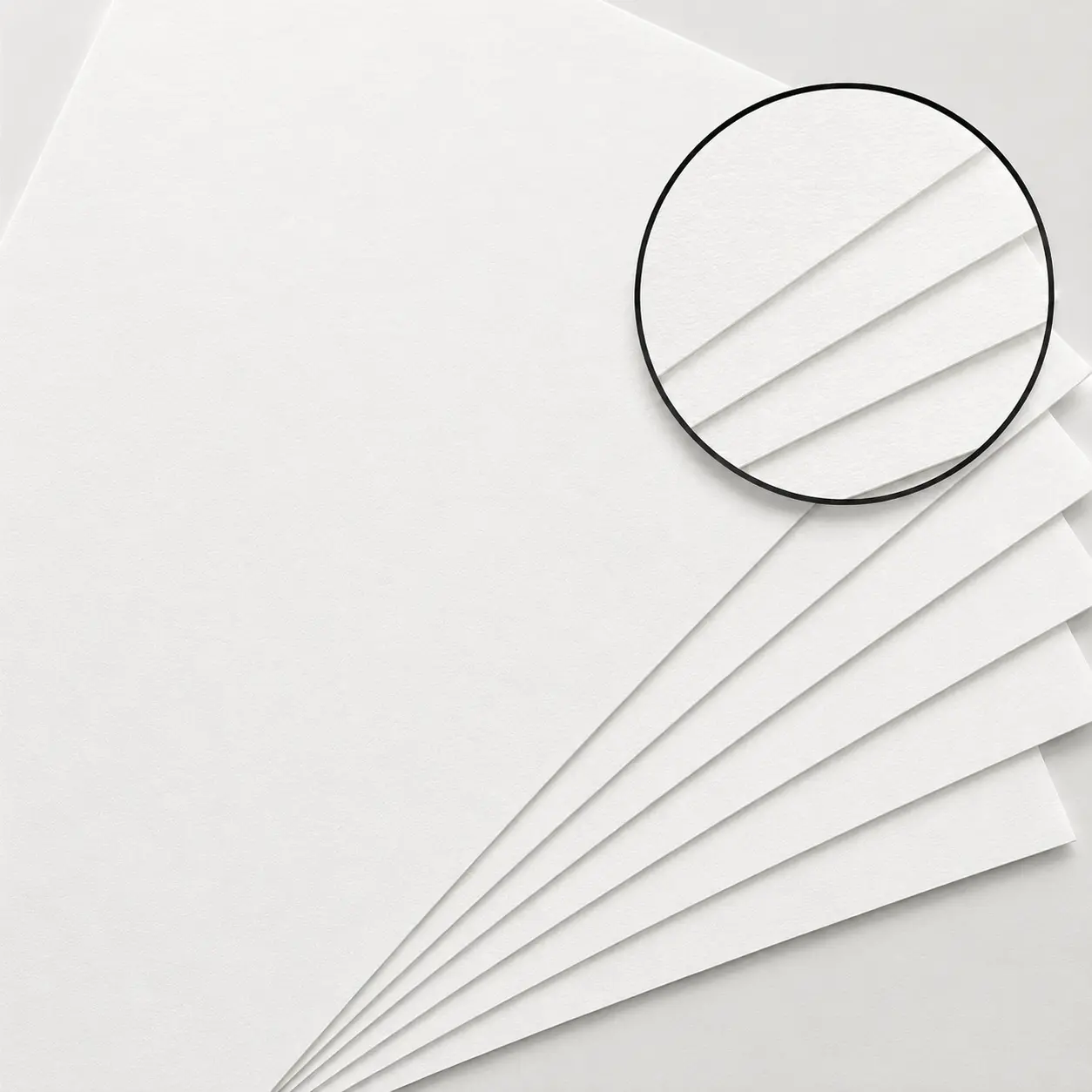
SBS Cardboard
Premium bleached substrate engineered for retail-ready packaging with sharp, high-resolution print performance across bulk SKUs.
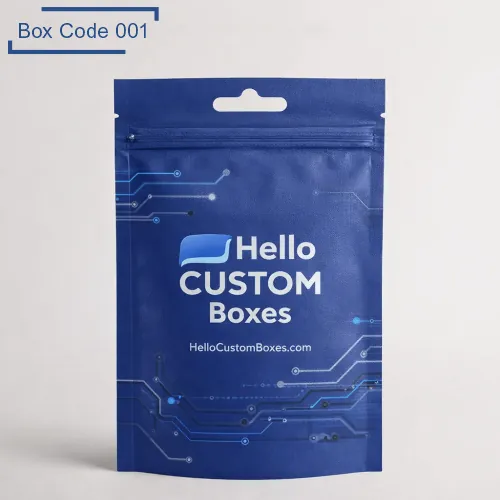
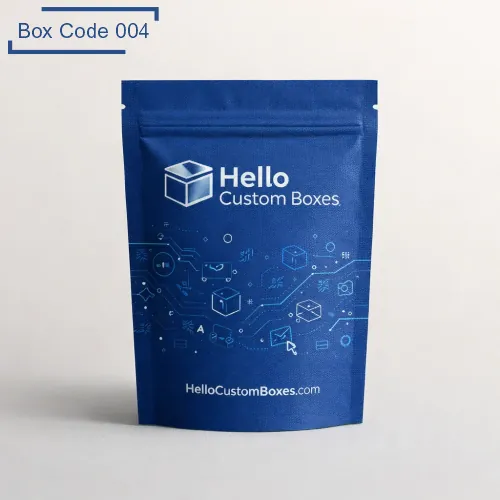
Custom zipper pouches are used to store products that need repeated access without losing protection. These pouches reseal after every use and keep contents contained during handling and storage. Common across retail, food, supplements, and consumer goods, zipper pouches focus on zipper strength, film recovery, and seal consistency rather than decorative finishes or disposable packaging use.


Tell us your specs and we'll send pricing within one business day.
Most problems start after the first open.
Zippers misalign.
Tracks stop sealing fully.
Corners weaken from pulling.
Many zipper pouches look fine at first, then fail quietly. Once the zipper loses grip or the film stretches, the pouch stops doing its job. Customers blame the product, not the packaging, even when using custom mylar bags that appear premium initially.
Zipper pouches don’t fail loudly.
They fail over time.
Zippers aren’t static.
They flex.
They pull.
They get forced when overfilled.
If the zipper track isn’t matched to the pouch size, stress builds at the edges. If the film lacks recovery, the pouch mouth spreads and the zipper never seats correctly again. Custom zipper pouches exist to manage repeated stress, not just initial closure.
Consistency matters more than appearance here.
We design around usage, not shelf photos.
Every zipper pouch is sized to the product volume and fill behavior. No stock widths. No reused pouch layouts. Zipper type, placement, and seal zones are selected to match how often the pouch is opened and how much force is applied, especially for retail packaging that sees frequent handling.
Film thickness and layer structure are adjusted so the pouch returns to shape after use. If the zipper doesn’t reseal cleanly, the build isn’t finished.
Zipper pouches vary by application.
Stand-up zipper pouches support shelf display. Flat zipper pouches stay compact for storage. Child-resistant zipper pouches work with approved locking systems where required. Heavy-use zipper pouches are built for frequent access without zipper fatigue.
Each style is selected based on how the pouch is opened, closed, and handled.
Zipper profile controls seal engagement.
Film recovery prevents mouth spread.
Seal width affects tear resistance.
Corner geometry limits stress cracks.
Fill clearance protects zipper alignment.
Humidity tolerance matters because films soften before zippers fail.
These details decide whether a pouch keeps resealing or gets discarded early.
Hello Custom Boxes produces custom zipper pouches for brands that rely on reseal performance, not one-time closure.
We use approved multi-layer films and review every zipper layout for alignment, peel resistance, and repeat use. Resealable packaging exposes design shortcuts fast, so performance is checked before production runs begin.
Reliability matters more than novelty here.
A failing zipper creates doubt.
Customers stop resealing.
Contents dry out or spill.
Returns increase quietly.
Well-built custom zipper pouches protect product quality, extend usable life, and reduce complaints tied to packaging failure. When the zipper works every time, customers trust what’s inside more.
That trust protects repeat sales.
We review your product type, fill weight, and usage frequency.
We design a zipper pouch that reseals consistently under real use.
You approve size and zipper placement before production.
All zipper pouches are built to order, with film layers and zipper specs adjusted per product, not pulled from stock pouch designs.
Zipper pouches shouldn’t need force.
They should close cleanly every time.
That’s how we build them.
Zipper Pouch Packaging Specifications |
|
|---|---|
| Packaging Purpose | Custom zipper pouches engineered to maintain consistent resealing performance under repeated opening and closing. |
| Primary Failure Risk | Zipper misalignment, seal fatigue, film stretch, and corner stress caused by repeated use and overfilling. |
| Usage Behavior Focus | Designed for frequent reopening, forced pulls, and long-term use without zipper track degradation. |
| Fit & Volume Control | Pouch dimensions matched to fill volume and product expansion to prevent zipper stress and mouth spreading. |
| Film Construction | Multi-layer film selected for recovery strength, flexibility, puncture resistance, and environmental protection. |
| Zipper Profile Selection | Zipper type and track geometry chosen to ensure full engagement and reliable resealing over time. |
| Seal Zone Engineering | Reinforced seal areas prevent zipper pull-out, edge tearing, and stress failure during repeated use. |
| Available Pouch Styles | Stand-up zipper pouches, flat zipper pouches, child-resistant zipper pouches, and heavy-use resealable pouches. |
| Corner & Edge Design | Corner geometry and edge reinforcement designed to minimize stress cracking and zipper distortion. |
| Environmental Resistance | Film layers engineered to resist humidity, air exchange, and softening that affect reseal performance. |
| Best Use Cases | Retail resealable packaging, food and consumables, regulated products, multi-use storage, and high-handling environments. |
| Specification Lock | Pouch size, film layers, zipper profile, and seal placement approved before production with no mid-run substitutions. |
Choose from practical materials, print methods, inks, finishes, and add-ons for a better product presentation.
Premium bleached substrate engineered for retail-ready packaging with sharp, high-resolution print performance across bulk SKUs.
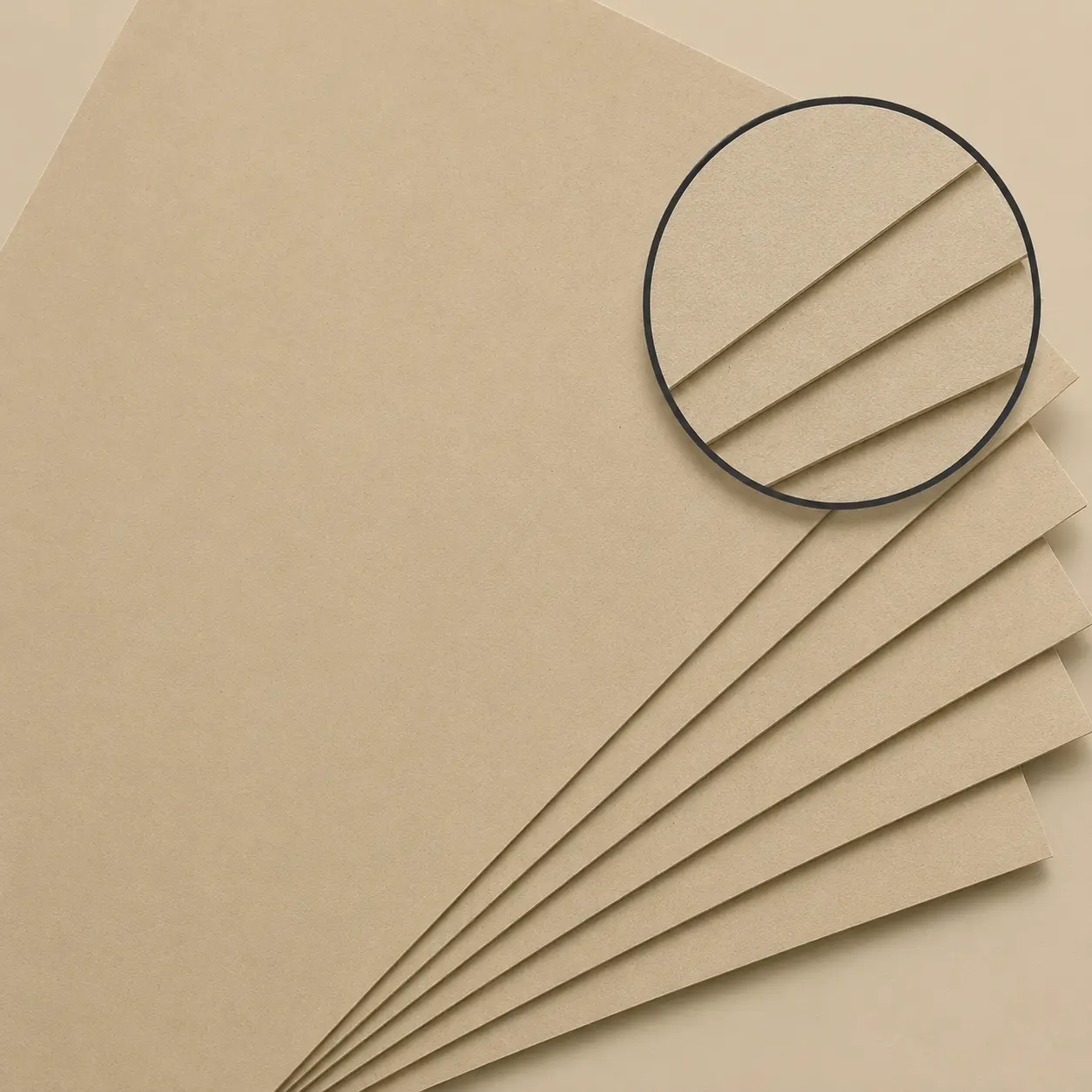
High-density rigid board built for wholesale cartons, structural strength, and stack-ready warehouse logistics.
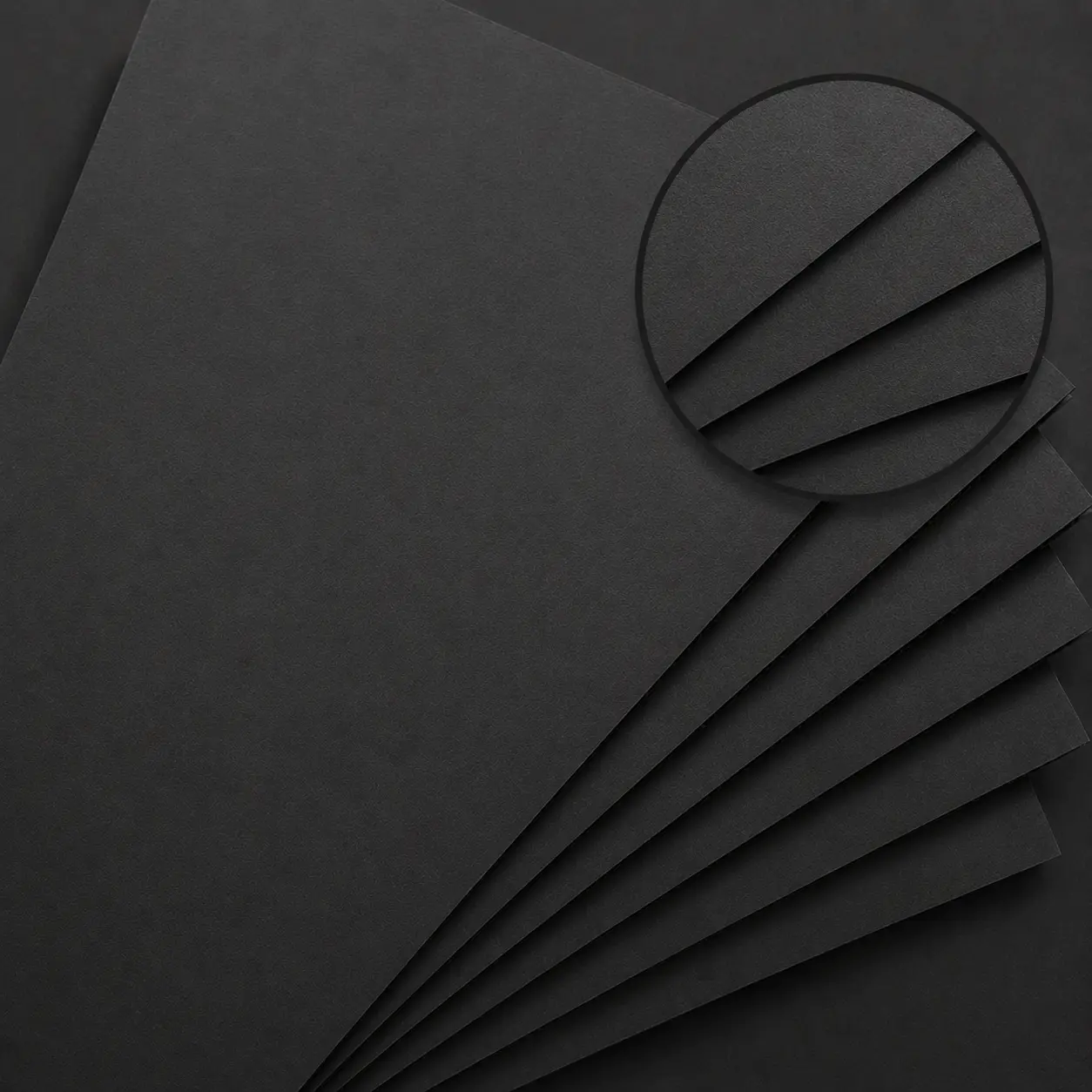
Eco-conscious black kraft for premium unboxing programs, corporate gifting, and limited-edition product lines.
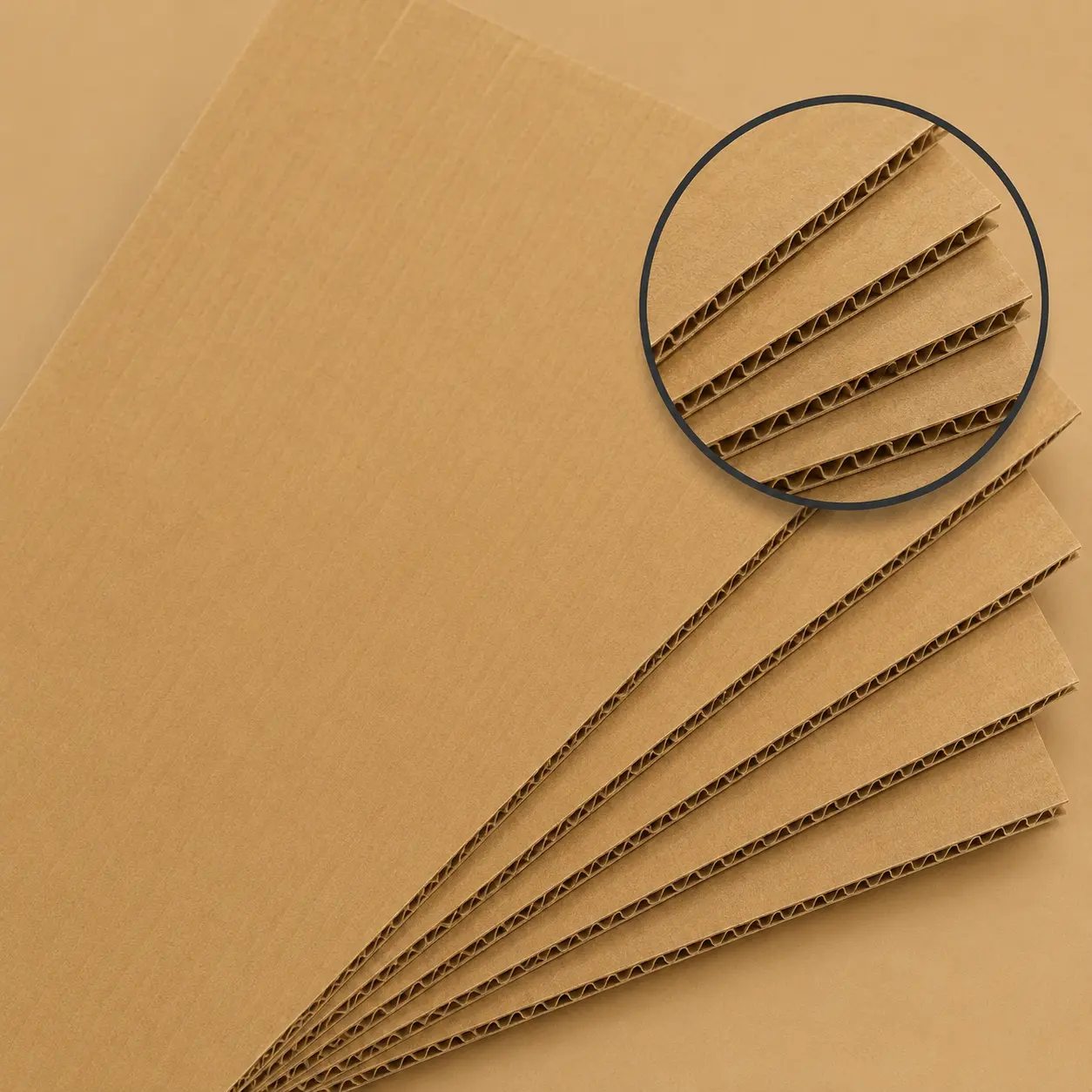
Multi-flute corrugated board built for protective shipping, e-commerce dispatch, and high-volume B2B fulfillment.
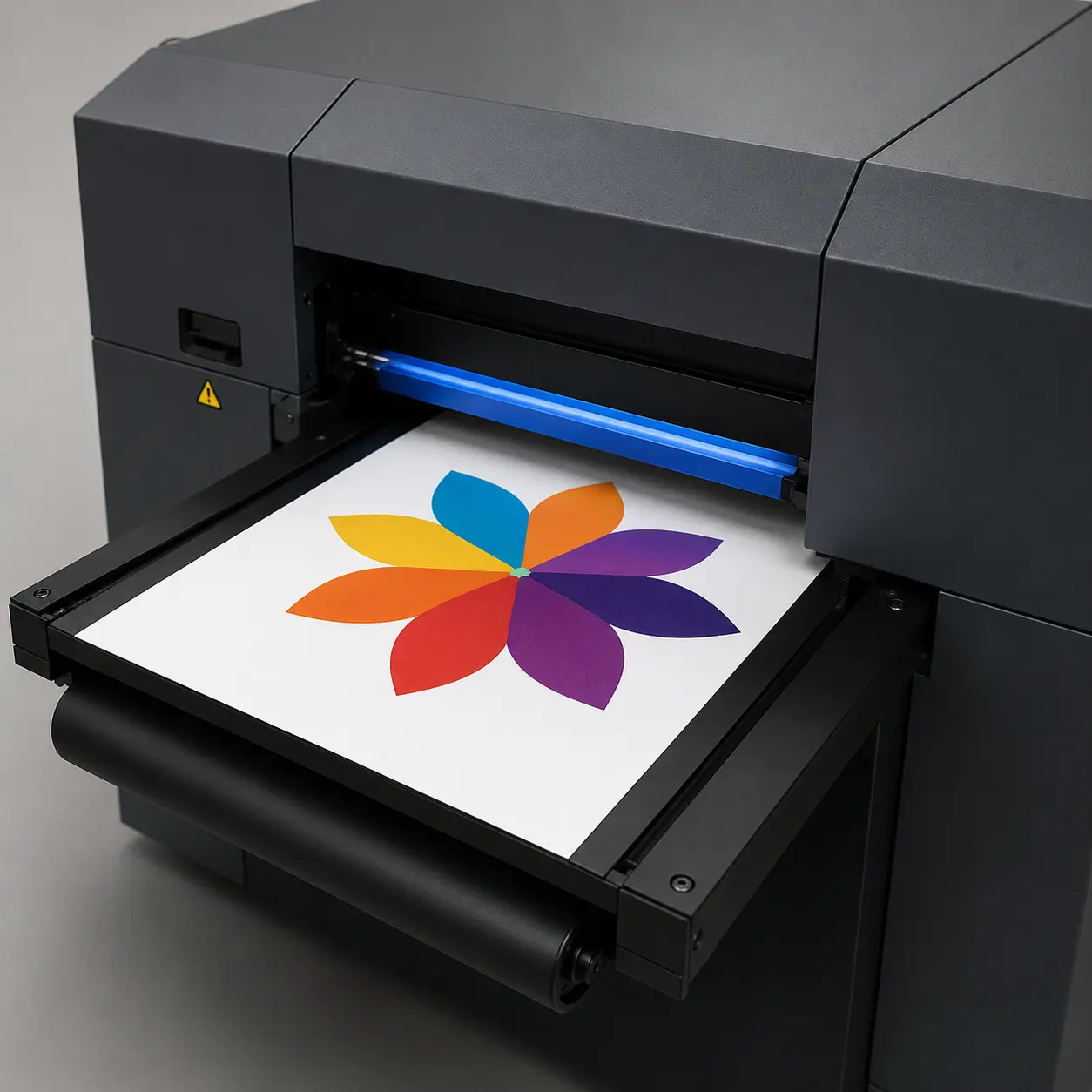
Short-run digital printing with no plate setup — ideal for prototypes, sample approvals, and quick reorders.
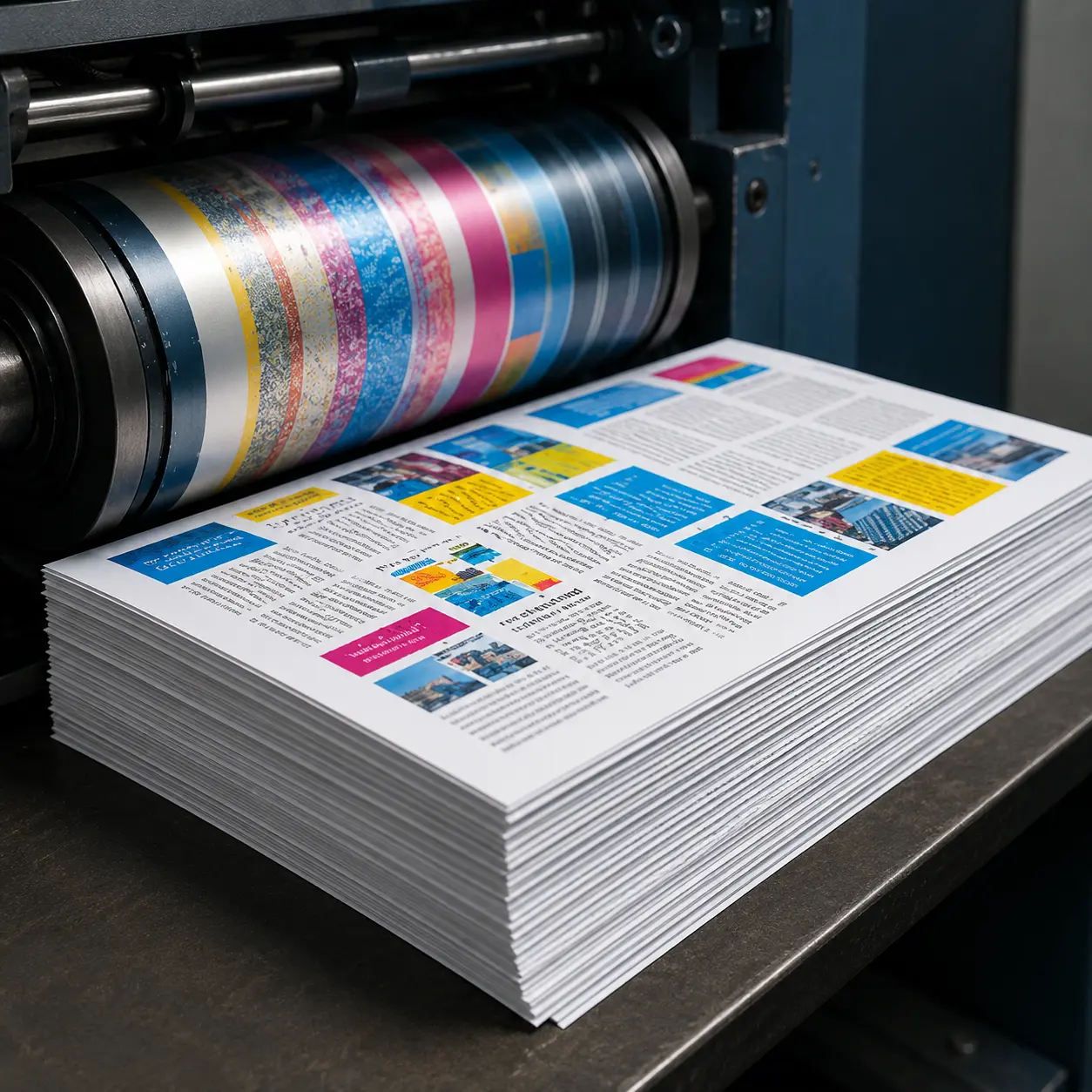
Industry-standard offset printing for high-volume runs with consistent color matching across bulk production.

Selective dimensional embellishment for premium B2B branding, tactile depth, and shelf differentiation.

Vibrant UV-cured printing suited for promotional packaging, event giveaways, and trade-show units.
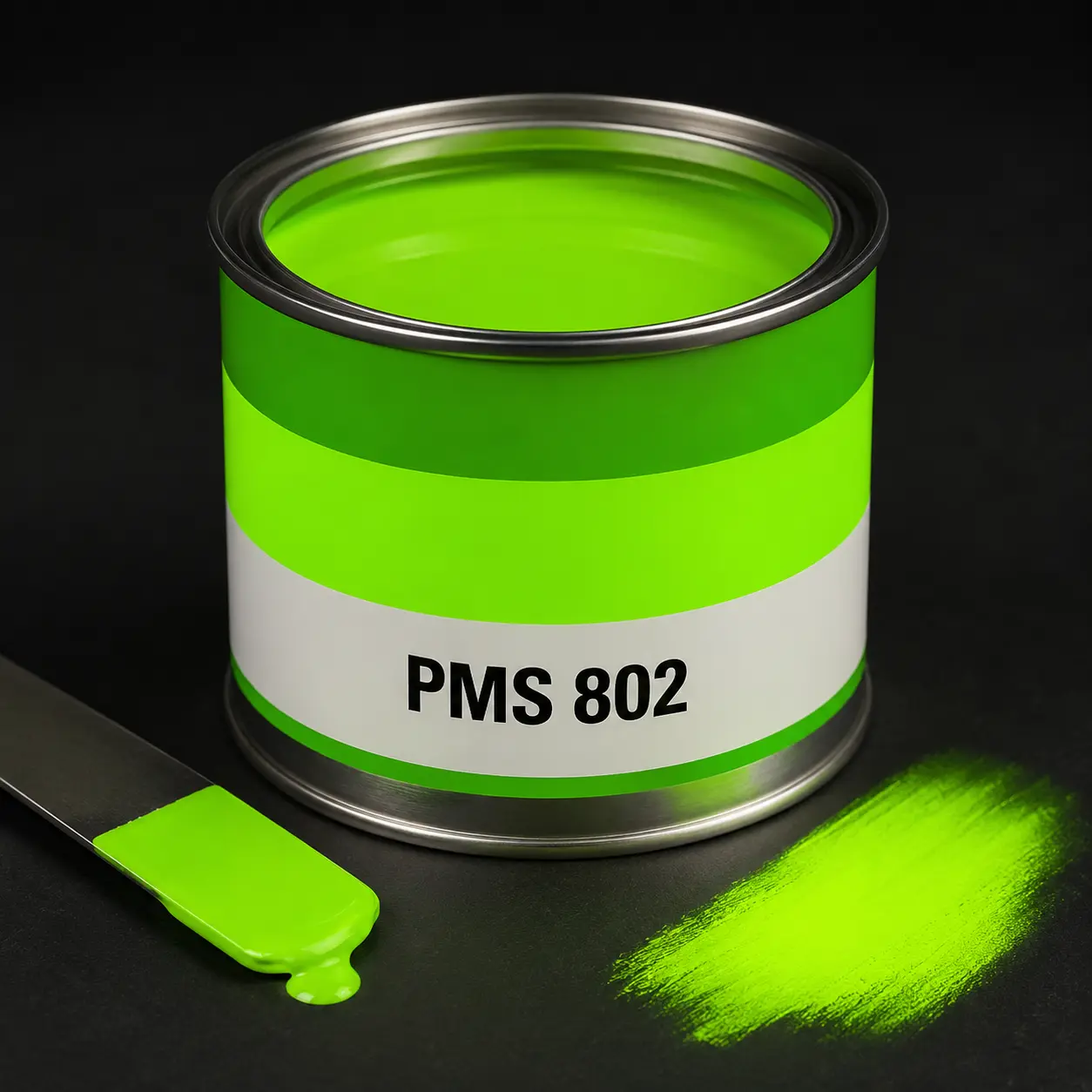
High-visibility ink system engineered for shelf impact, retail displays, and wholesale point-of-sale units.
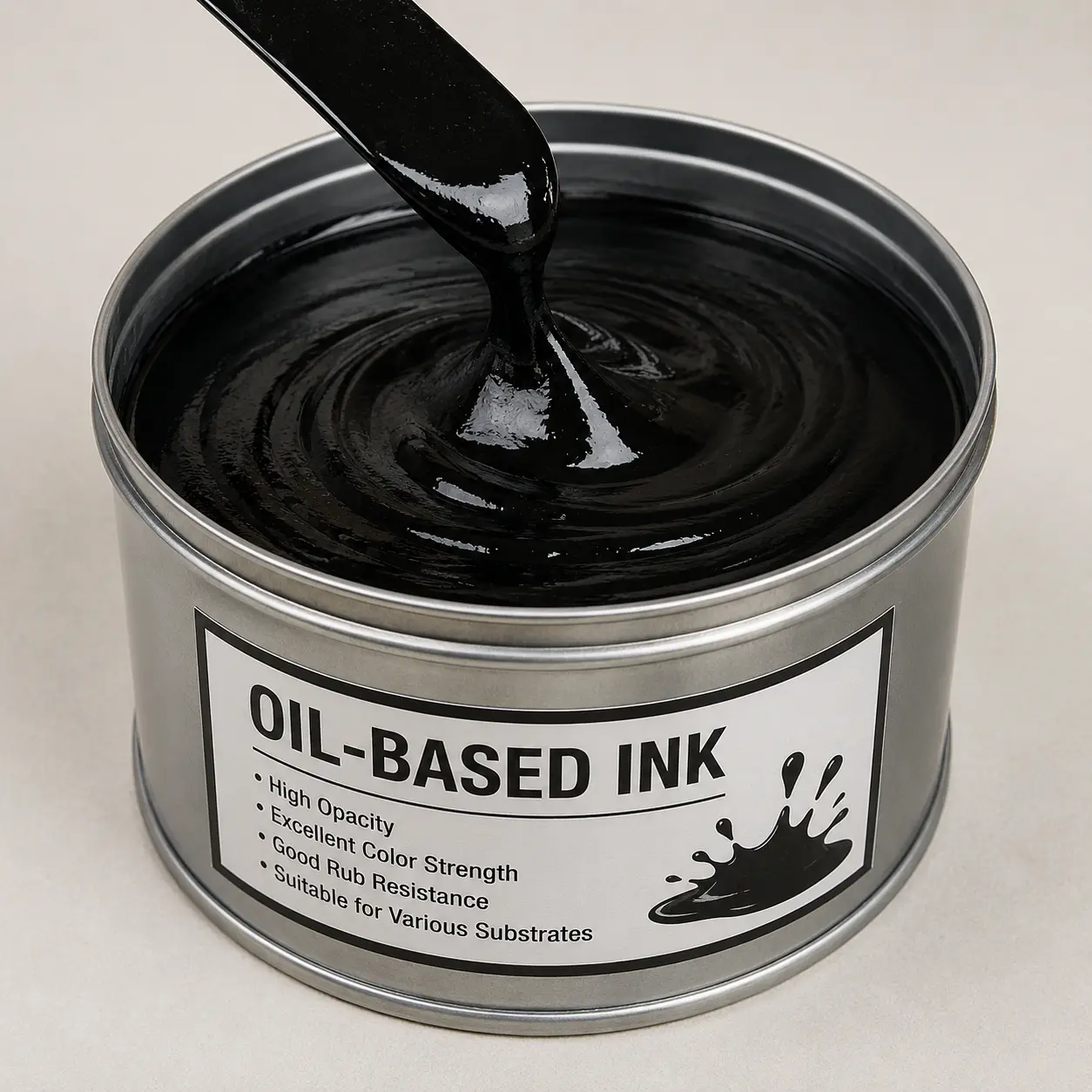
Industry-grade ink for durable, scuff-resistant production runs across long-haul distribution.

Spot-color matching to corporate brand standards — consistent identity across every SKU and reorder.

Sustainable plant-based ink for eco-certified packaging programs and ESG-aligned product launches.

Protective film extends shelf life and protects packaging during shipping and warehouse handling.

Water-based protective seal — fast-drying, food-safe-friendly finish for high-volume bulk production.

Premium tactile finish that elevates corporate gifting boxes and high-end B2B product lines.

Highlight logos and key artwork with selective gloss for maximum retail brand recognition.

Raised brand marks for tactile, premium identity on retail shelves and corporate packaging.

Pressed impressions for subtle, sophisticated branding on premium B2B product lines.

Metallic foil application — gold, silver, and custom finishes for luxury wholesale packaging.
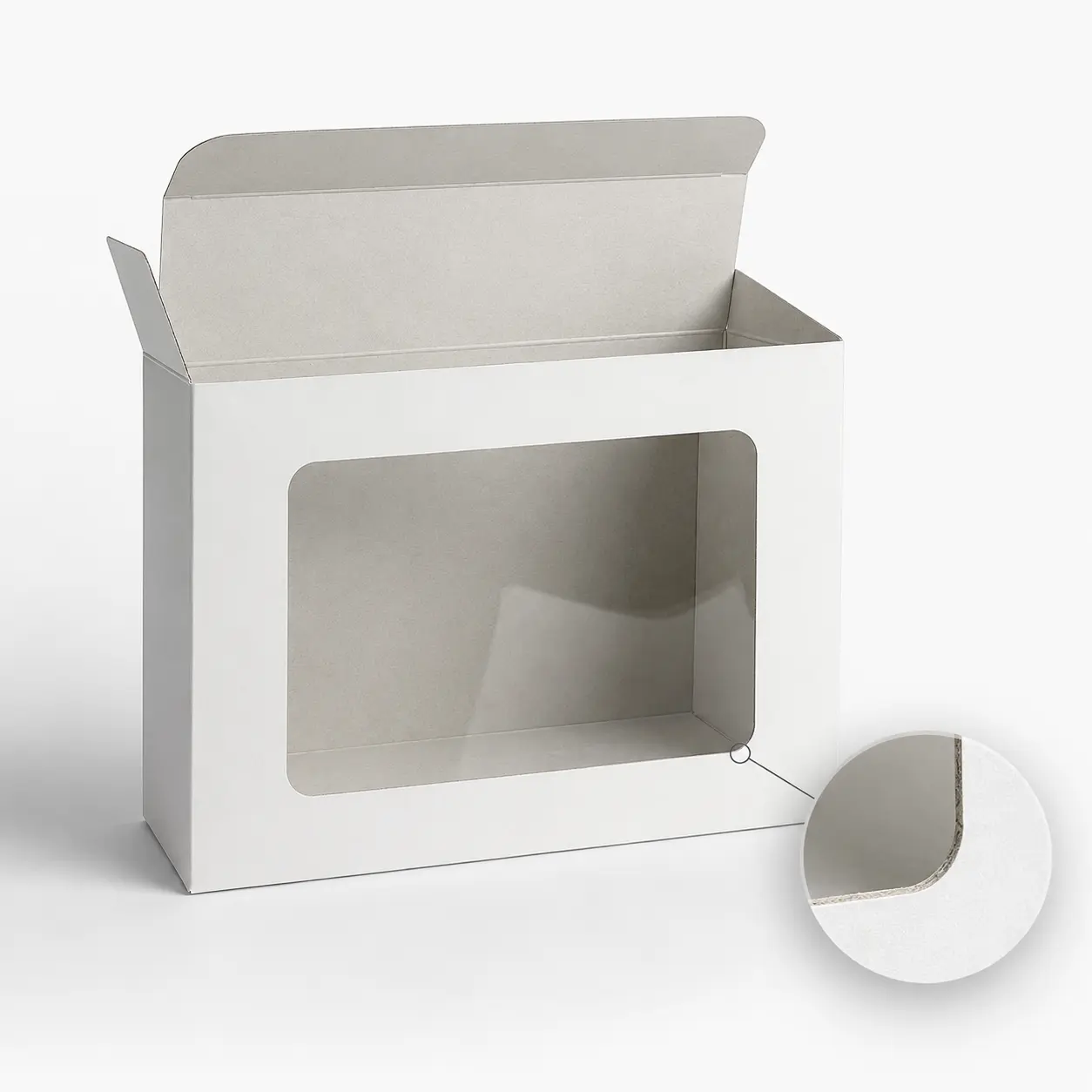
Precision die-cut openings that let customers view the product inside, with optional clear patching for better protection and presentation.
Simple, practical, and built around real B2B production needs.
Send product size, quantity, material preference, artwork, and delivery details.
Our team prepares a proof or 3D mockup so you can check design and structure.
Once approved, your packaging moves into printing, cutting, finishing, and packing.
Finished boxes are packed and shipped to your warehouse, retailer, or 3PL.
Explore similar packaging options that may fit your product line.
Reviews
There are no reviews yet.