
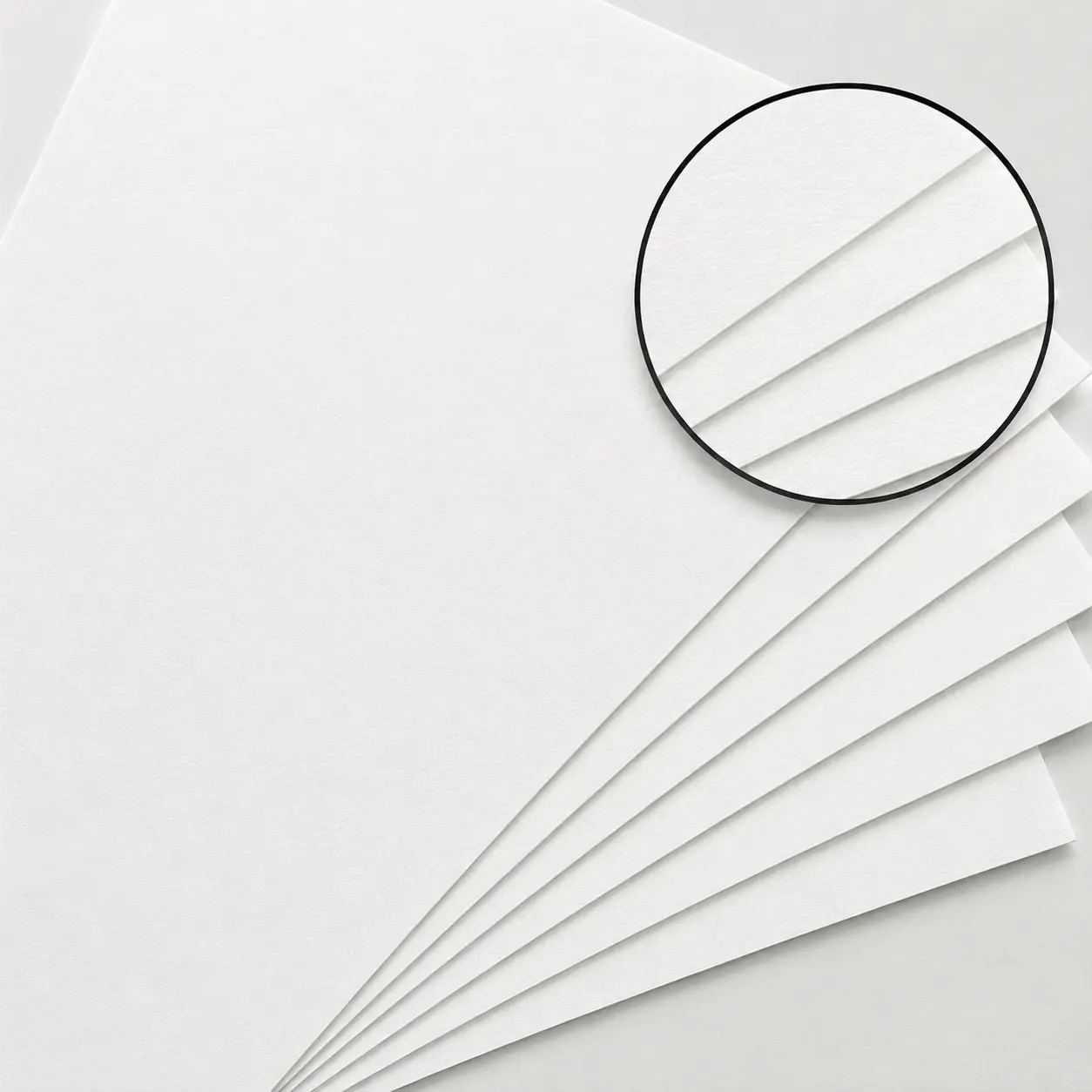
SBS Cardboard
Premium bleached substrate engineered for retail-ready packaging with sharp, high-resolution print performance across bulk SKUs.
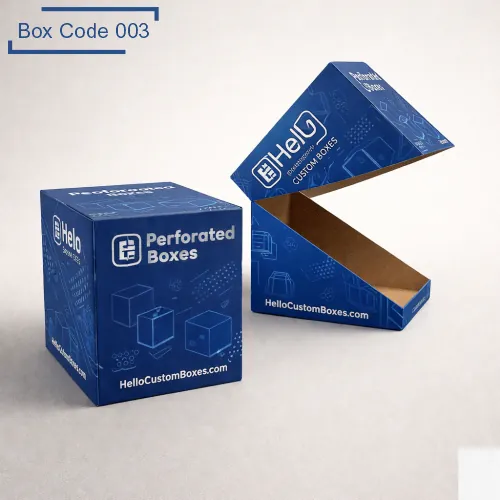
A tear-away panel can change what a carton does after it reaches the customer or retail shelf. Our perforated boxes can be made with tear lines placed around the way you want the package to open, reveal, or dispense its contents. The perforation can form part of a folding carton, retail display pack, dispenser-style box, or another suitable structure. Size, board, printing, and the perforated area are planned around the product rather than added to a standard box afterward.



Tell us your specs and we'll send pricing within one business day.
A perforation is only useful when it makes sense for the way the package will be handled.
It may run across the front panel to remove a section of the carton, around the top to create a tear-away opening, or along a defined area that exposes the products inside. Some packs are opened once and discarded. Others are designed so that most of the perforated boxes remains in use after the panel has been removed.
That changes where the tear line should go. The remaining carton still needs to hold its shape and give customers practical access to what is inside.
For this reason, the perforation should be planned as part of the box structure from the start.
Some products arrive at a store inside the same carton used to present them.
A removable front or top section can expose the products while leaving the lower part of the carton in place. This can be useful for retail packaging where products need to stay together while remaining visible and easy to reach on the shelf.
For perforated box packaging used this way, the position of the tear line matters just as much as the outer dimensions. Remove too much of the carton and the remaining structure may no longer provide the intended support. Leave too much in place and products can be difficult to see or reach.
The opening can therefore be shaped around the product height, orientation, and how much of the contents should remain visible after setup.
A perforated panel can also create an access point rather than removing a large part of the box.
This works for products packed in multiples where individual units need to be taken out while the rest stay together. The opening can be positioned on the front, top, or another practical panel depending on how the box will sit during use.
The product dimensions matter here. The opening needs to be large enough for comfortable removal without unnecessarily weakening the surrounding carton.
That is one reason custom perforated packaging boxes are more useful than treating the perforation as a standard cut that works for every product.
Printing across a perforation is possible, but the artwork needs to account for what happens when that section is torn away.
A logo or important line of text placed directly over the removable area may disappear after opening. Fine details can also look interrupted where the perforation passes through them.
With custom printed perforated boxes, the artwork can be arranged around the finished structure. Important branding can stay on panels that remain visible, while graphics intended for the removable section can be treated separately.
This becomes especially important when the carton turns into a display after opening. The closed pack and the opened display are effectively two views of the same design, and both need to make visual sense.
The board needs enough structure for the box while still allowing the intended perforated section to open as designed. Suitable choices depend on the pack size and product weight:
Board thickness, flute where applicable, and the perforation pattern need to work together. A tear line that performs well on one material cannot simply be assumed to behave identically on another.
A regular carton is usually designed mainly around its closed appearance. A perforated display box may look quite different after part of it has been removed.
For perforated boxes with logo printing, it helps to decide which branding should remain visible in both states. A logo printed only on a tear-away panel may be lost once the box is opened, while branding on the base or rear panel can continue to identify the product on display.
The same thinking applies to product names, color systems, and other supplied artwork.
This does not mean every panel needs branding. It means the permanent parts of the box should not be overlooked while attention is focused on the removable section.
Perforated boxes for food can be useful for individually packed products, counter displays, multipacks, and other formats where a tear-away section improves access or presentation.
The outer perforated carton, however, should not automatically be treated as the direct food-contact layer. Whether a liner, wrapper, tray, or other inner pack is needed depends on the food product and the intended packaging setup.
For packaged snacks or individually wrapped items, for example, the perforated carton may primarily organize and display the units. Any food-contact requirements should be established for the actual materials and components that will touch the food.
A small adjustment to a perforation can change how easily the panel tears and how the rest of the box behaves afterward. That matters more when the same structure is being produced in quantity.
For custom perforated boxes wholesale, settle the product dimensions, box style, opening location, and intended use before the production run. If the package becomes a display, it is also worth checking how the opened carton looks with the products loaded inside.
Different artwork versions may be able to share the same structural layout when the dimensions and perforation stay unchanged. If the product size or required opening changes, the dieline may need to change as well.
The most useful starting point is not simply “add a perforation.” Tell us what you want the customer, retailer, or packer to do with the box.
Should the top tear away? Should a front panel come off so the products can stay on display? Do you need a smaller opening for taking out one unit at a time? Or does the package only need an easier way to open?
Once that is clear, the perforated box packaging can be planned around the product dimensions, packed weight, opening position, board, and supplied artwork. The tear line then becomes a working part of the package rather than a decorative feature added at the end.
Specifications |
|
|---|---|
| Packaging Purpose | Perforated boxes engineered for controlled, clean opening or separation without damaging surrounding panels or contents. |
| Primary Risk Area | Uncontrolled tearing caused by incorrect perforation depth, spacing, placement, or board behavior under real pull force. |
| Common Failure Points | Early opening, crooked tears, panel ripping, edge fuzzing, delamination, adjacent panel collapse, and inconsistent tear behavior after storage. |
| Design Priority | Controlled force direction so the box opens only where intended while remaining structurally intact elsewhere. |
| Perforation Engineering | Perforation depth, spacing, and alignment calibrated to board caliper, grain direction, and expected pull behavior. |
| Pull Direction Control | Tear lines aligned with natural pull motion to prevent sideways ripping or panel failure during fast or careless opening. |
| Board & Grain Consideration | Board grain orientation selected to support predictable tearing rather than resisting or redirecting force. |
| Adjacent Panel Protection | Reinforced surrounding panels to absorb pull force and prevent collapse beyond the perforation line. |
| Perforation Stops | Controlled stop points added to prevent over-tearing past the intended opening zone. |
| Environmental Tolerance | Perforation strength adjusted to remain consistent despite humidity changes or extended storage. |
| Available Use Cases | Retail tear-front displays, subscription box openings, shipping tear strips, and multi-compartment separation systems. |
| Testing Method | Repeated fast-pull testing at inconsistent angles to ensure predictable tear behavior over time. |
| Specification Lock | Perforation layout, board grade, and tear behavior approved before production with no mid-run changes. |
Choose from practical materials, print methods, inks, finishes, and add-ons for a better product presentation.
Premium bleached substrate engineered for retail-ready packaging with sharp, high-resolution print performance across bulk SKUs.
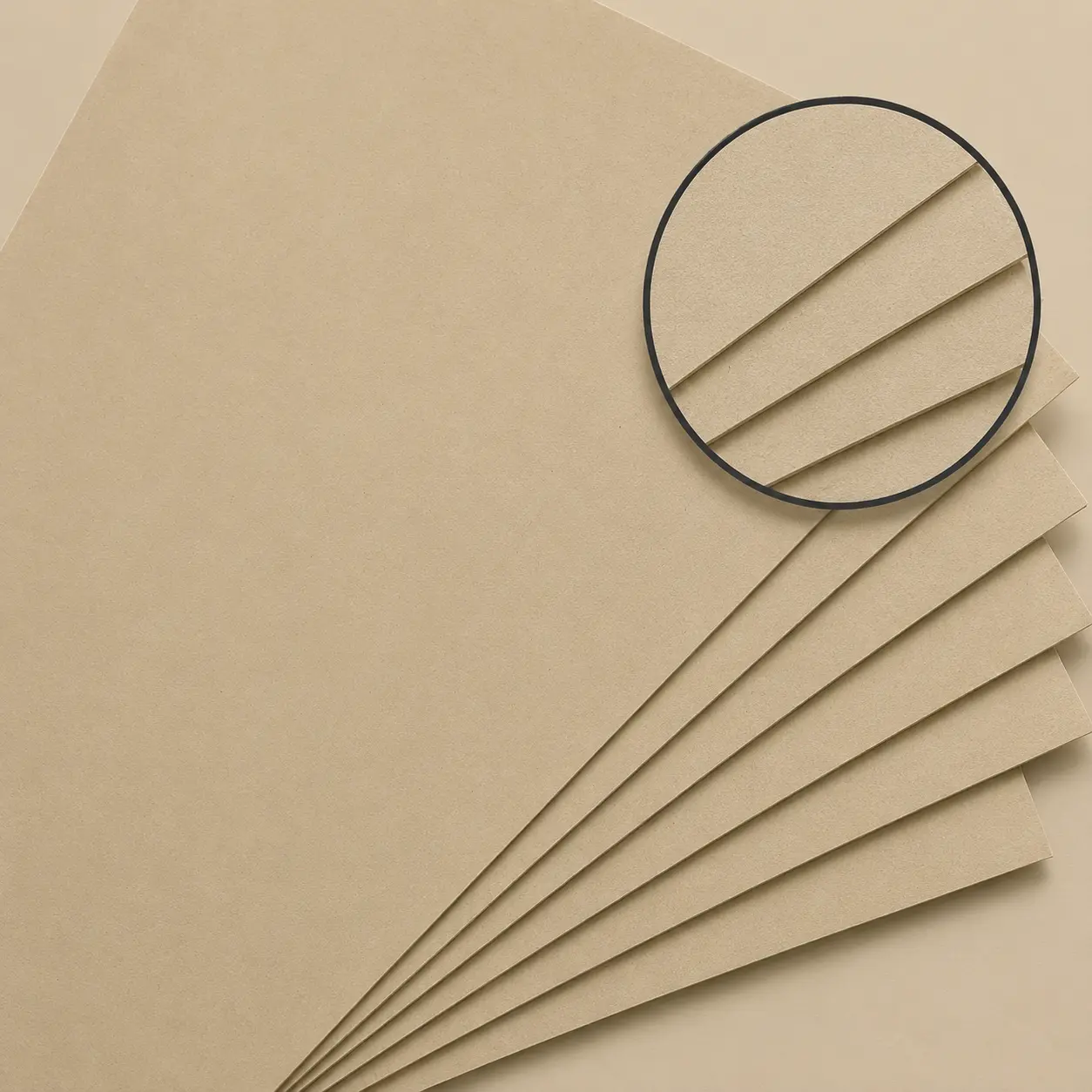
High-density rigid board built for wholesale cartons, structural strength, and stack-ready warehouse logistics.
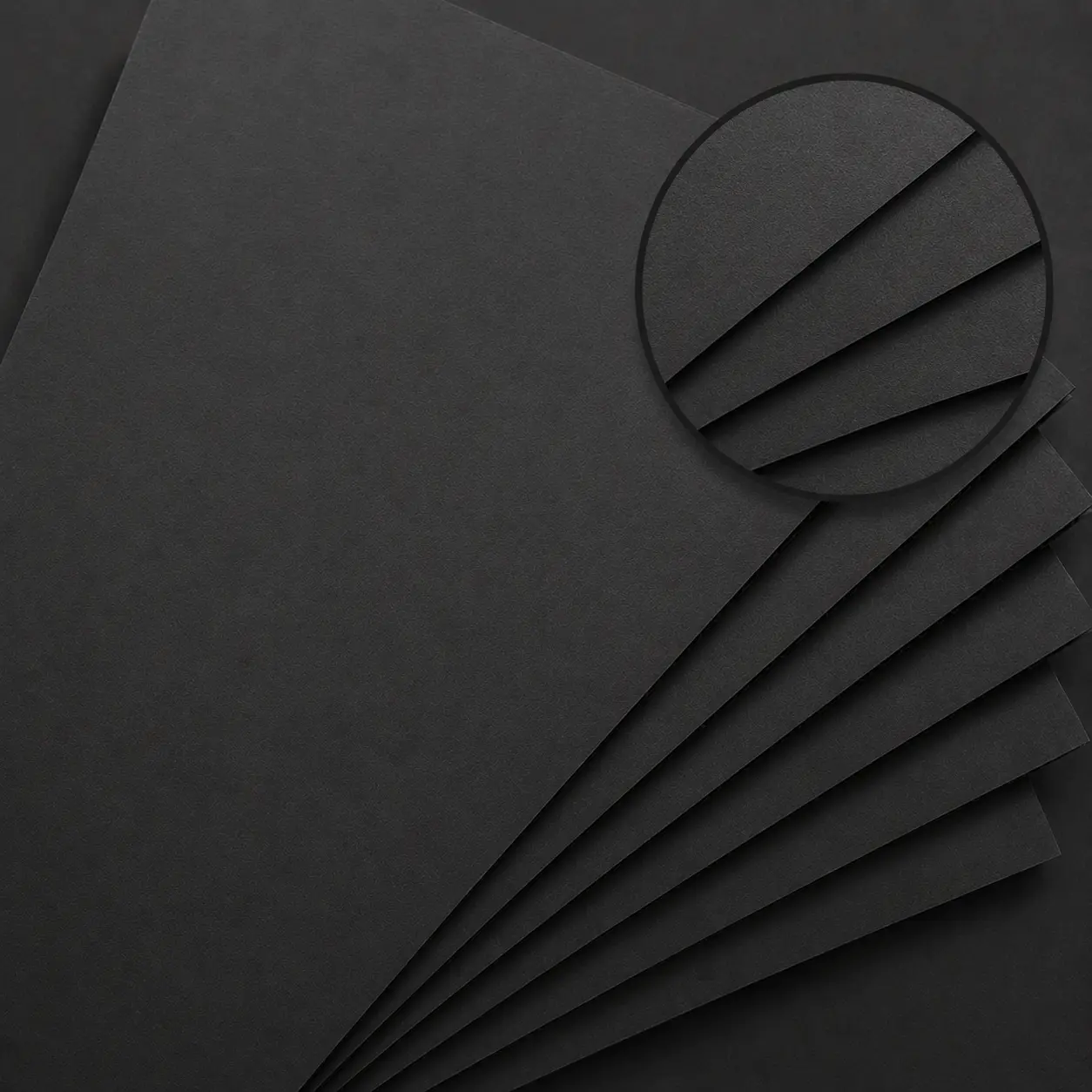
Eco-conscious black kraft for premium unboxing programs, corporate gifting, and limited-edition product lines.
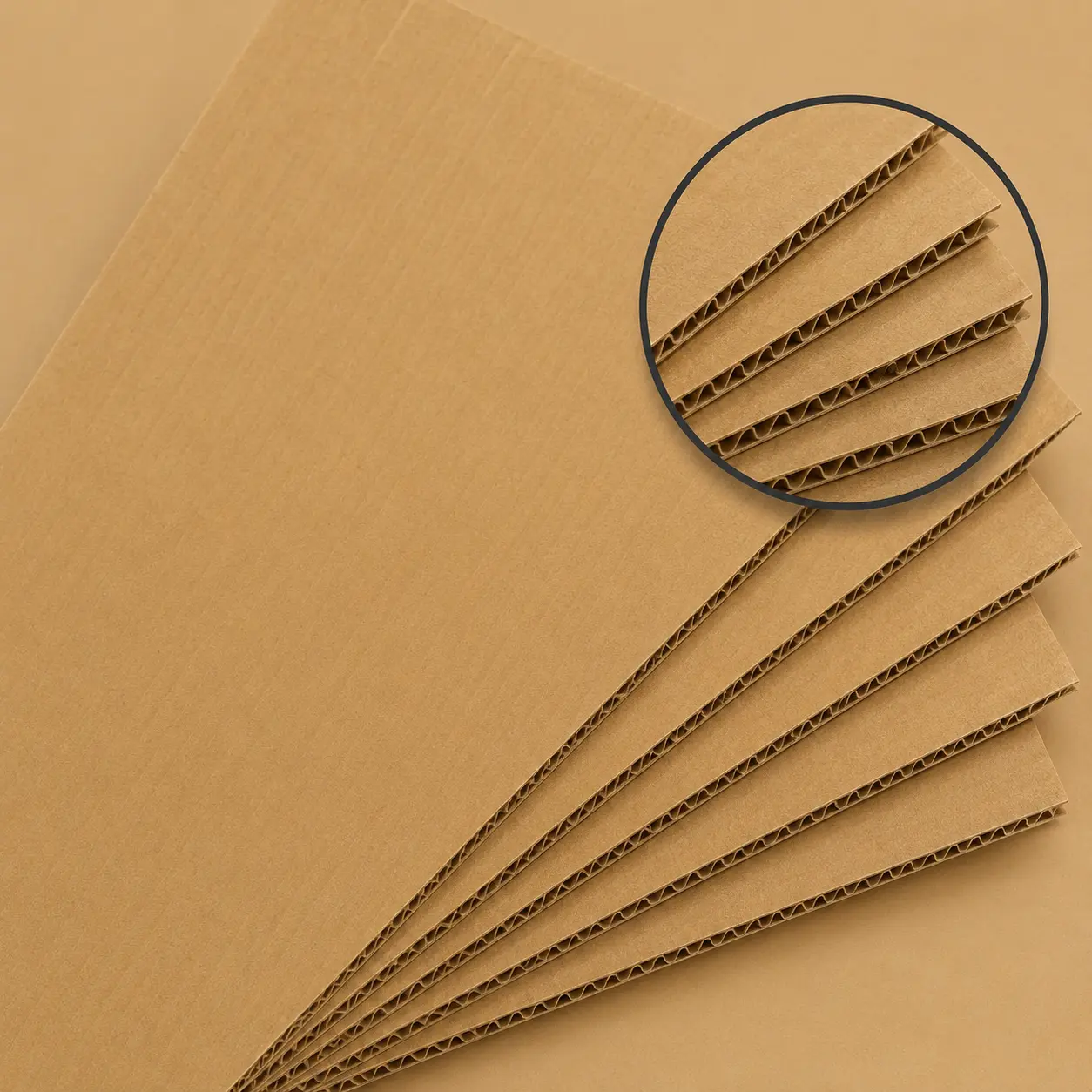
Multi-flute corrugated board built for protective shipping, e-commerce dispatch, and high-volume B2B fulfillment.
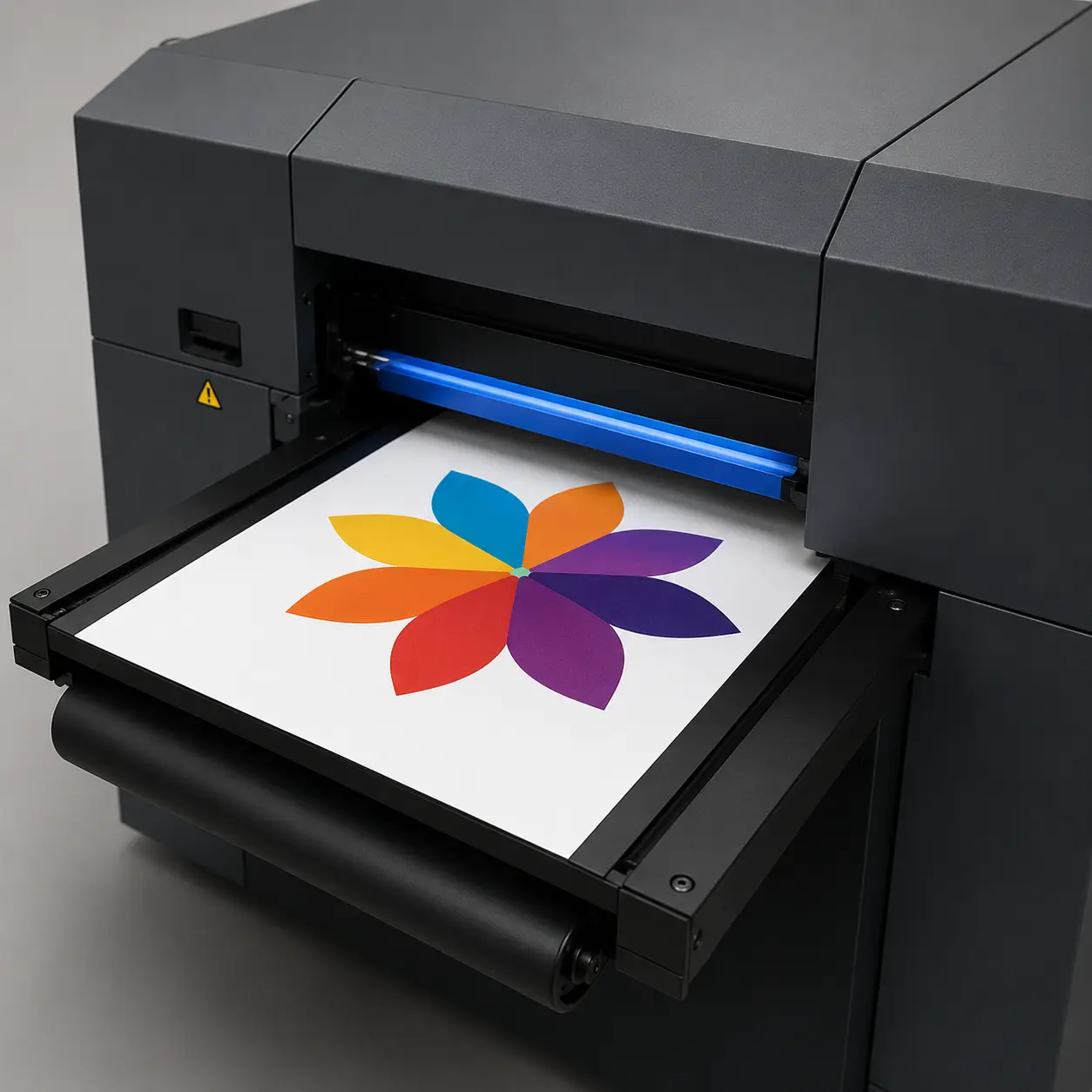
Short-run digital printing with no plate setup — ideal for prototypes, sample approvals, and quick reorders.
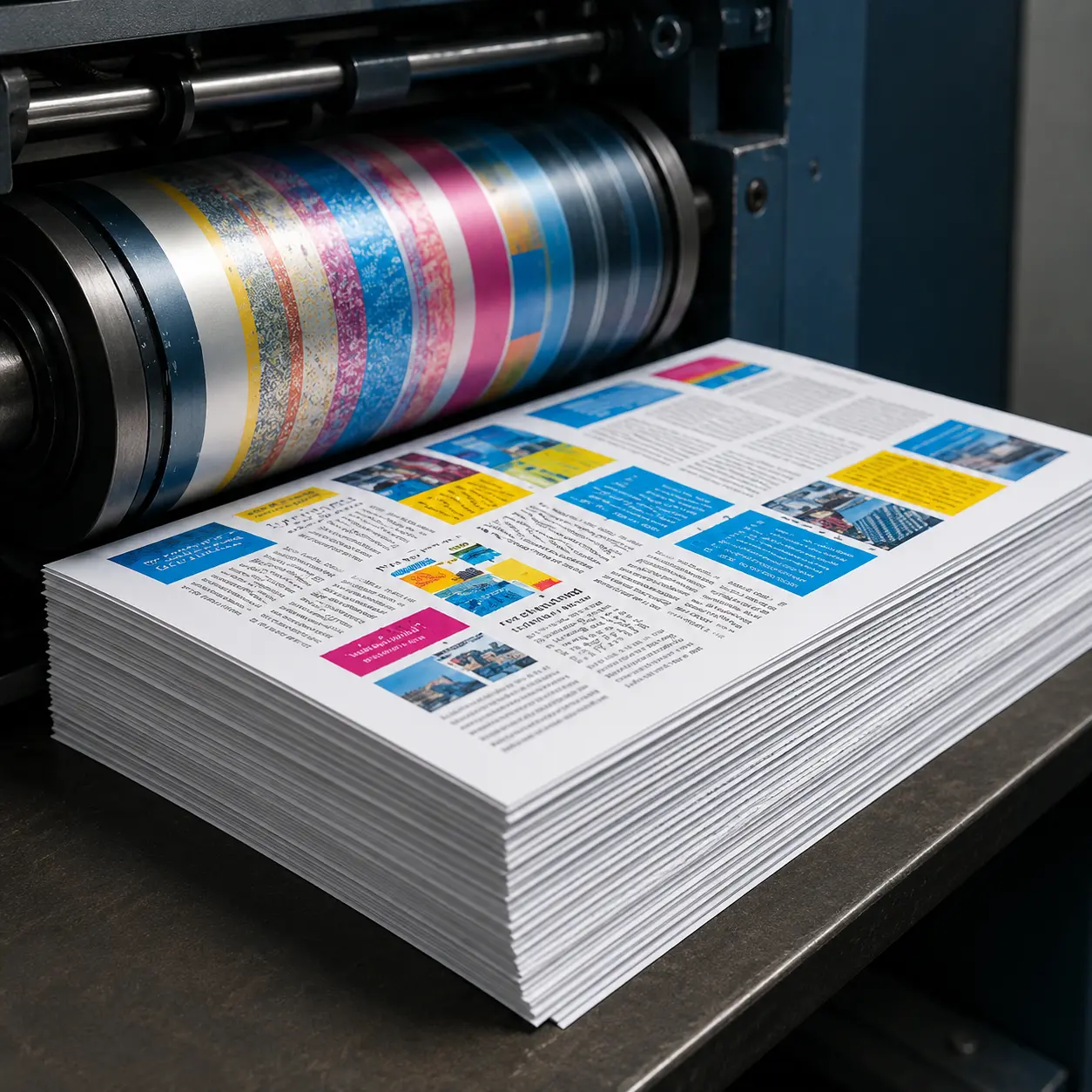
Industry-standard offset printing for high-volume runs with consistent color matching across bulk production.

Selective dimensional embellishment for premium B2B branding, tactile depth, and shelf differentiation.

Vibrant UV-cured printing suited for promotional packaging, event giveaways, and trade-show units.

High-visibility ink system engineered for shelf impact, retail displays, and wholesale point-of-sale units.
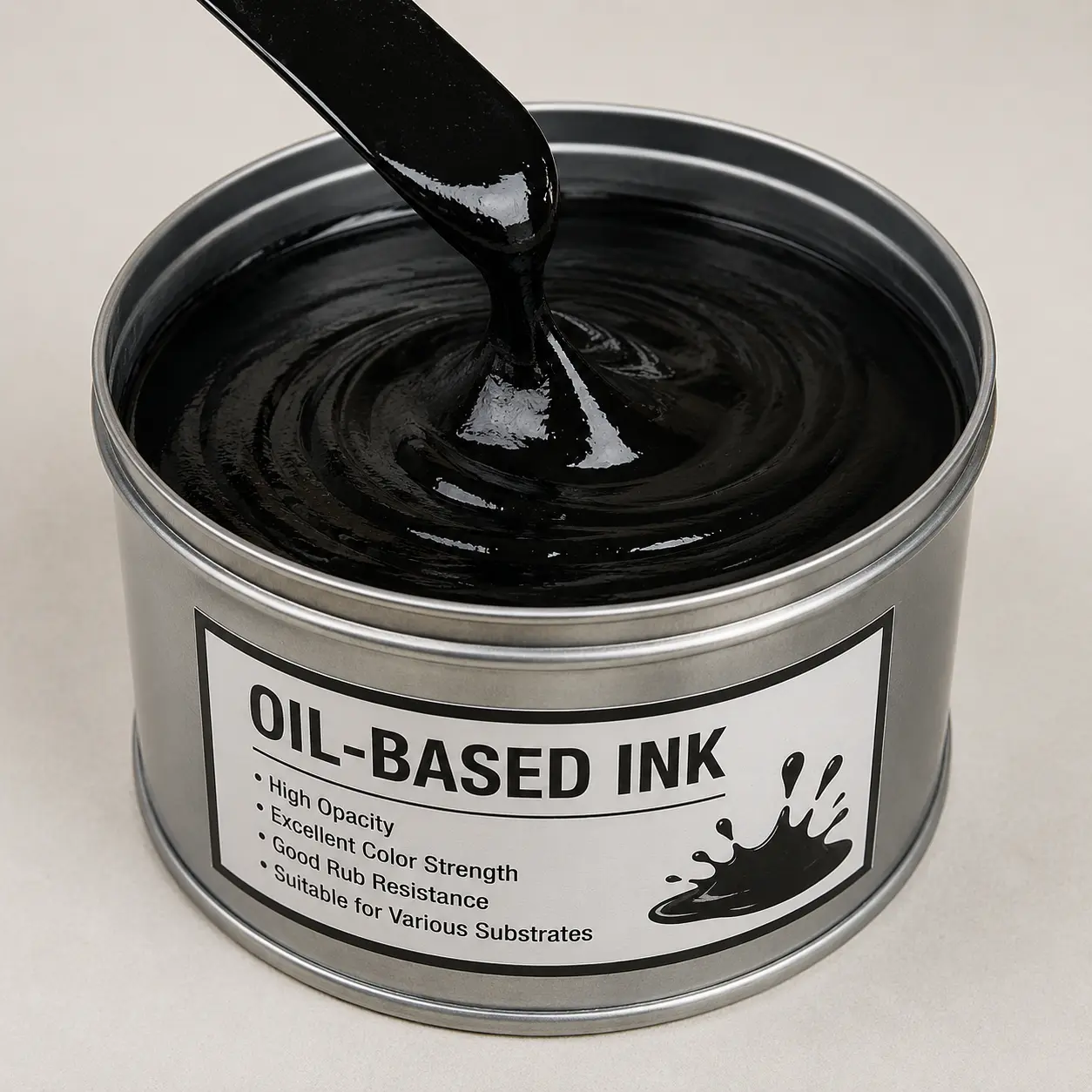
Industry-grade ink for durable, scuff-resistant production runs across long-haul distribution.

Spot-color matching to corporate brand standards — consistent identity across every SKU and reorder.

Sustainable plant-based ink for eco-certified packaging programs and ESG-aligned product launches.

Protective film extends shelf life and protects packaging during shipping and warehouse handling.

Water-based protective seal — fast-drying, food-safe-friendly finish for high-volume bulk production.

Premium tactile finish that elevates corporate gifting boxes and high-end B2B product lines.

Highlight logos and key artwork with selective gloss for maximum retail brand recognition.

Raised brand marks for tactile, premium identity on retail shelves and corporate packaging.

Pressed impressions for subtle, sophisticated branding on premium B2B product lines.

Metallic foil application — gold, silver, and custom finishes for luxury wholesale packaging.
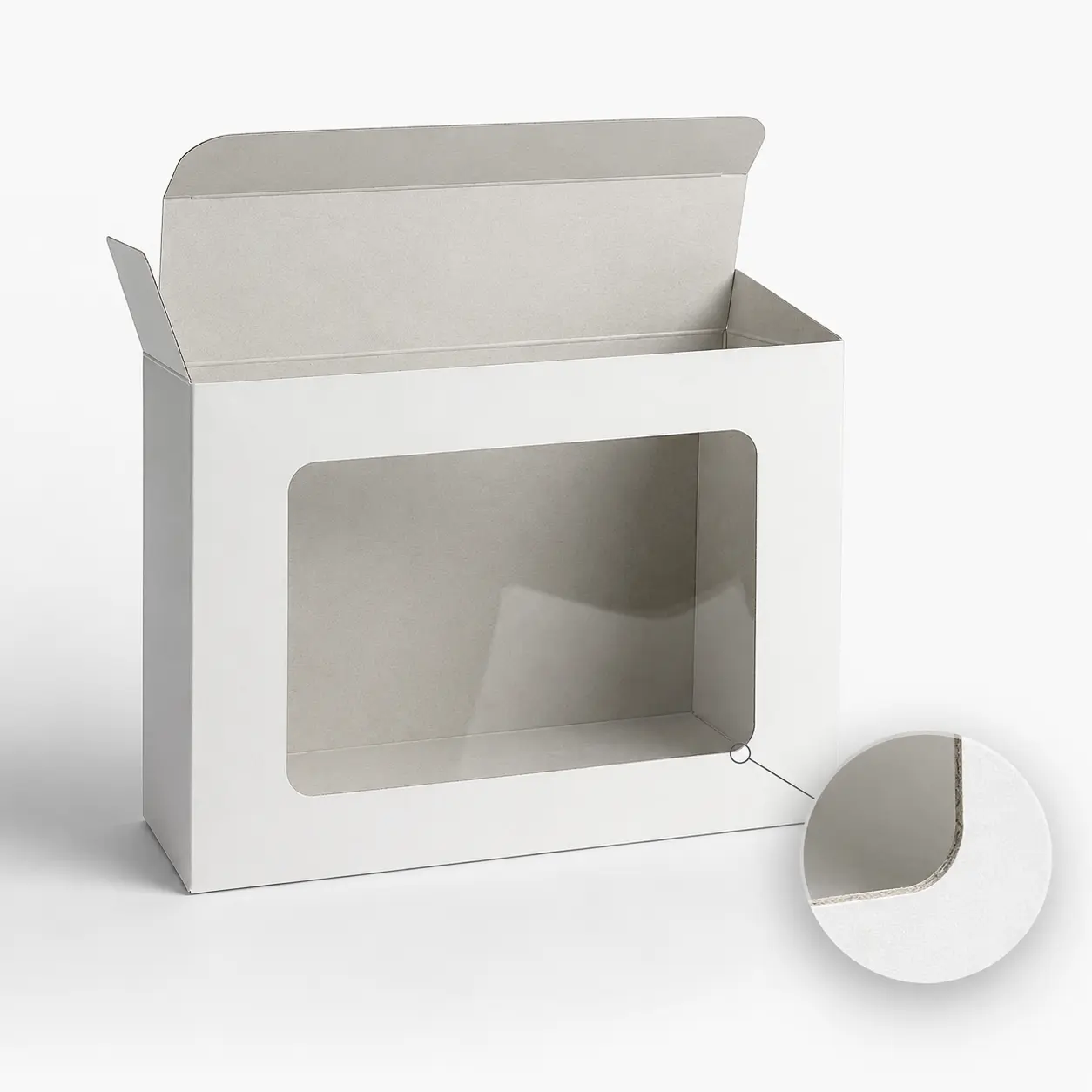
Precision die-cut openings that let customers view the product inside, with optional clear patching for better protection and presentation.
Simple, practical, and built around real B2B production needs.
Send product size, quantity, material preference, artwork, and delivery details.
Our team prepares a proof or 3D mockup so you can check design and structure.
Once approved, your packaging moves into printing, cutting, finishing, and packing.
Finished boxes are packed and shipped to your warehouse, retailer, or 3PL.
Explore similar packaging options that may fit your product line.
Reviews
There are no reviews yet.