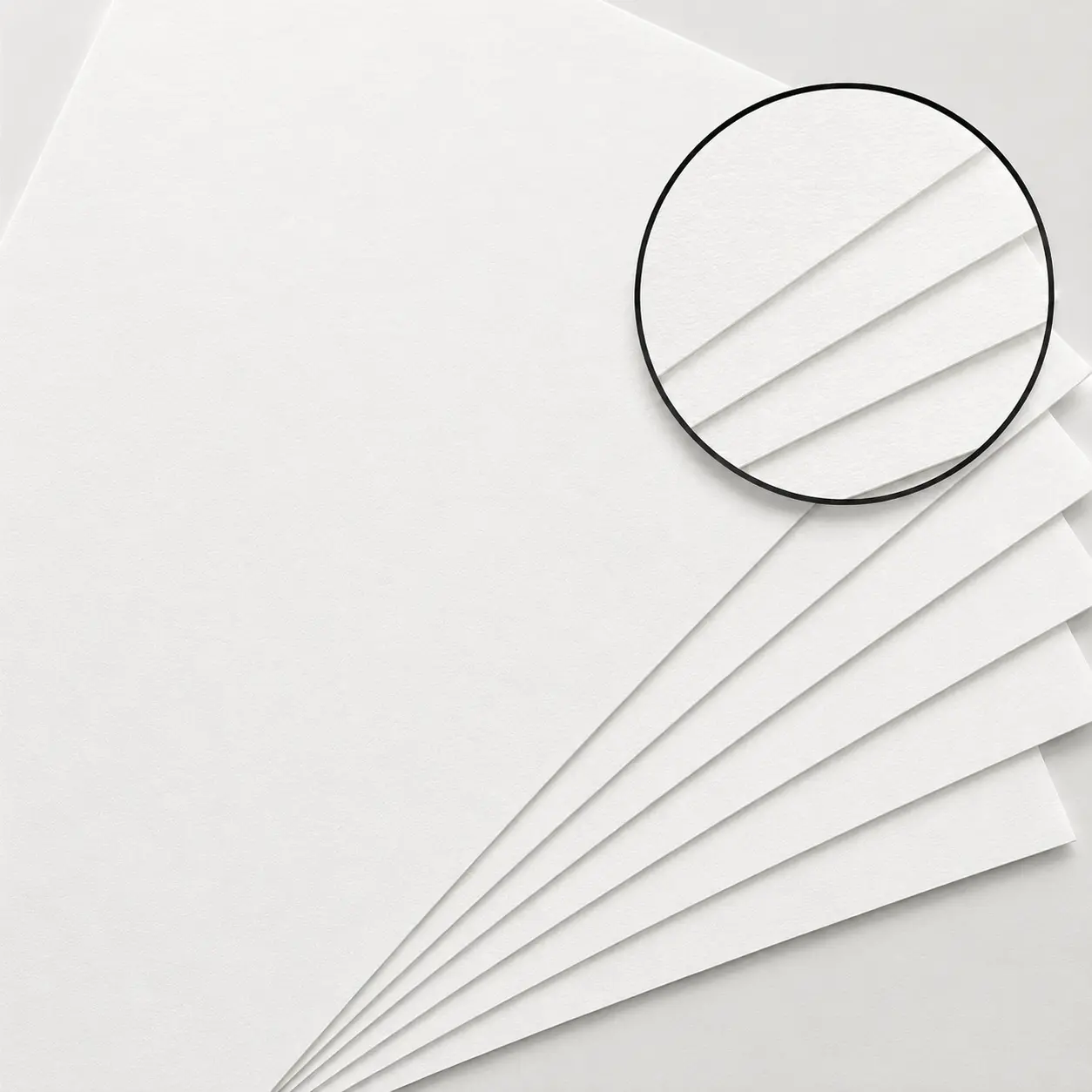
SBS Cardboard
Premium bleached substrate engineered for retail-ready packaging with sharp, high-resolution print performance across bulk SKUs.
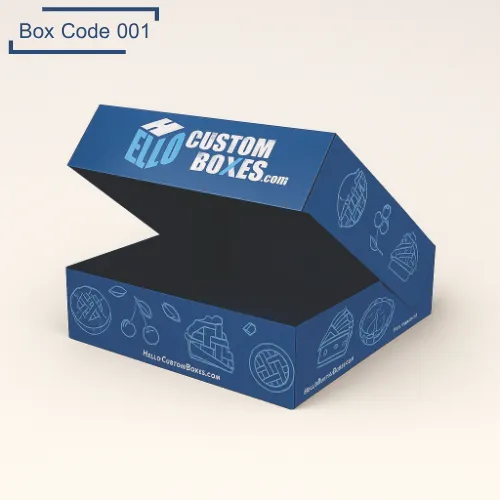
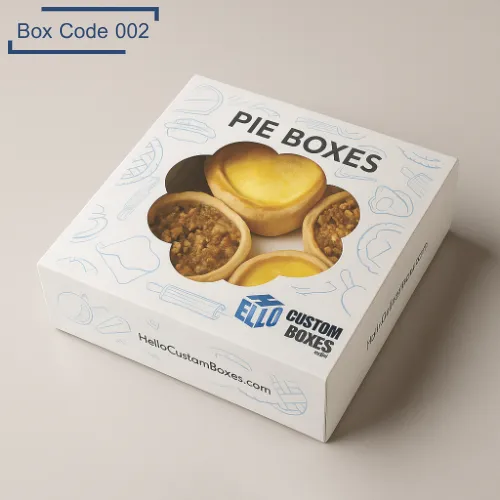
Not every box can handle a fresh pie, but ours do. Built from food-safe board, they stop leaks, keep the crust from softening, and travel without collapsing. Bakers use them to send whole pies home, gift shops dress them up with ribbon, and shipping kitchens rely on the fit. We’ll print your branding and size them right so every pie leaves your hands looking proud.
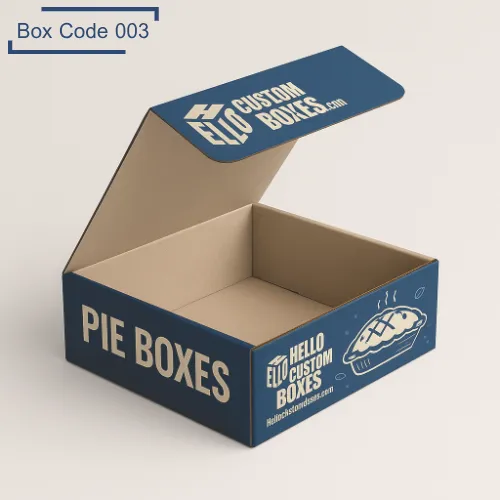
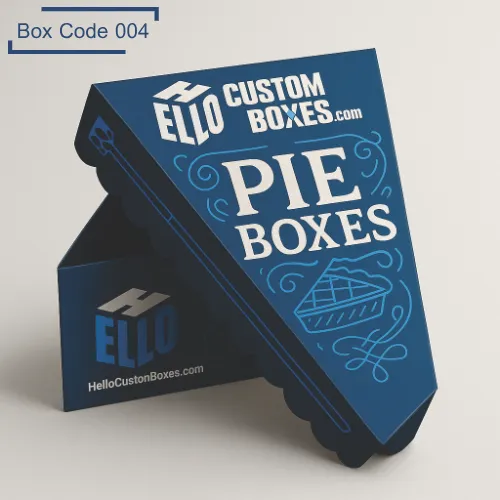
Tell us your specs and we'll send pricing within one business day.
Custom pie boxes protect whole pies and slices during packing, display, and delivery. Grease from crusts and fillings, moisture, and stacking weight decide the board grade and structure more than appearance alone.
A pie comes out of the oven with soft filling, a fragile crust edge, residual heat, and often juice or butter that wants to migrate. Place it in an underspecified box and the base softens, the walls bow under the weight, or dark grease marks show through before the customer opens the lid. Deep-dish fruit pies and dense cream fillings add downward pressure that thin board cannot carry once boxes stack in a van or on a shelf. The first decision is always how much load and moisture the package must handle, not how the outside looks.
Whole pies need enough internal height so lattice tops or whipped finishes clear the lid, yet the fit around the tin must stay tight enough to stop sliding. Slices require shallower walls and often a simple divider so pieces stay upright during transport. Paperboard works for counter sales and short local runs when the pie is fully cool and the filling is not overly wet, making it a common choice for many bakery packaging applications. Corrugated board becomes the safer choice once the pie travels farther, sits in a cooler, or gets stacked more than two high. The flute direction and board weight carry the vertical load; a lighter single-wall structure may crush under repeated handling.
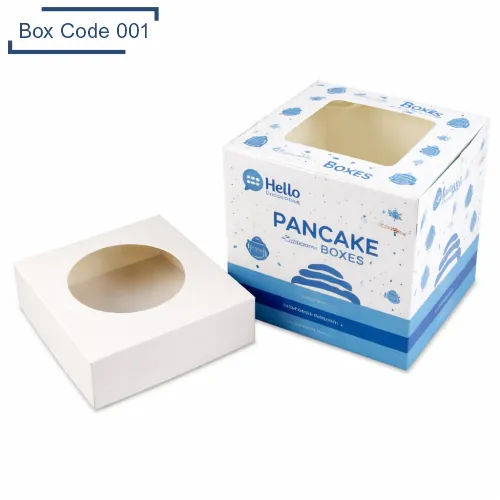
A window lets customers see the pie without lifting the lid. That helps sales on a counter, yet the window reduces printable area and can trap steam if the pie is still warm. Ventilation slots or a slightly looser lid fit reduce condensation, though they also weaken the structure a little. Inserts or cradles stop the tin from shifting. They protect raised toppings but slow packing and add material cost. For whole pies going into gift sets or long-haul shipping the extra control is usually worth it. For high-volume slice boxes sold same-day a plain flat base is often enough.
Pastry and fruit juices migrate. A plain kraft surface absorbs oil and darkens within hours. A food-contact coating or liner slows that migration, but the coating can change how ink sits on the outer surface and may affect recycling requirements. Exact coating type and board grade depend on the filling (fruit, cream, meat), how long the pie sits in the box, and whether the box will be held at room temperature, chilled, or frozen. When those details are known the material can be specified accurately; without them any claim about barrier performance remains incomplete.
A simple tuck top is quick for manual lines and uses less board. A locking base or auto-bottom speeds assembly when staff fill dozens of boxes in a short window, yet it consumes more material and may raise the minimum order quantity. Closure choice also affects how the box behaves in storage. Flat-packed stock saves space in a small bakery. Once erected the structure must still stack without crushing the lower layers. A tighter fit and stronger walls reduce movement during delivery, but they can make it harder to place a hot pie quickly.
Short runs and seasonal designs suit digital print. Larger repeat orders move to offset for consistent colour across the run. Kraft board mutes lighter colours and soft pastels; white SBS board shows brighter logos and detailed artwork. Heavy ink coverage on the exterior can show scuff marks from handling, especially on matte finishes. Aqueous or anti-scuff coatings help, but they must remain compatible with food-contact rules. Exact board caliper, coating, and ink system depend on the pie weight, expected storage time, and whether the boxes will sit in a chilled case or travel at ambient temperature.
Retail buyers care about shelf presence and how easily a customer can open the lid without damaging the crust. Wholesale buyers need uniform outer dimensions so cases pack efficiently on pallets. Boxes that travel well often include extra corner support or a tighter internal fit so nothing rattles. Bulk orders balance cost against enough protection that damage claims stay low during busy seasons. Thinner boards reduce shipping weight to the bakery but may need inserts for heavier pies. Heavier stock improves stiffness yet increases material use and storage volume.
Exact pie diameter and height (including any dome or lattice), whether the pie is whole or sliced, approximate filled weight, packing method (manual or semi-automated), storage conditions (room temperature, chilled, or frozen), and whether the boxes will travel by local delivery, courier, or wholesale freight. Artwork files, preferred board colour (kraft or white), window preference, and any insert or special closure need complete the brief. With those points clear the structure, board grade, coating, and print method can be matched to the actual job rather than a generic template. Lead time, minimum order quantity, and final cost all follow from those same details.
Specifications |
|
|---|---|
| Materials | Food-grade SBS paperboard (300–400 gsm), white cardboard stock, kraft board, bux board, corrugated E-flute, FSC-certified recyclable materials. |
| Box Styles | Tuck-top pie boxes, auto-lock bakery boxes, window pie boxes, flat-lid pie boxes, two-piece lid and base boxes, gable takeaway boxes. |
| Product Protection | Grease-resistant coating, strong base support, flat interior stability, crust and topping protection, freshness retention during transport. |
| Internal Fit | Custom sizing for whole pies and slices, optional inserts, flat base layout, sized compartments for organized presentation. |
| Surface Finish | Matte or gloss lamination, anti-scuff coating, soft-touch finish, smooth printable surface, kraft texture for artisanal branding. |
| Printing | CMYK & Pantone matching, offset/digital printing, bakery logo branding, foil stamping, emboss/deboss, spot UV, inside printing. |
| Retail Features | Window display visibility, shelf-ready bakery packaging, stackable counter design, takeaway and gift-ready presentation. |
| Durability | Reinforced base support, sturdy walls, crush resistance, lightweight yet durable structure for stacking and delivery. |
| Sizes | Custom sizes for small, medium, and large pies with flexible depth and retail packaging dimensions. |
| Wholesale | Low MOQ, bulk production, custom dieline development, sampling, strict print and structural QC. |
| Sustainability | Recyclable and biodegradable cardboard, food-safe inks, plastic-free window options, eco-friendly bakery packaging solutions. |
Choose from practical materials, print methods, inks, finishes, and add-ons for a better product presentation.
Premium bleached substrate engineered for retail-ready packaging with sharp, high-resolution print performance across bulk SKUs.
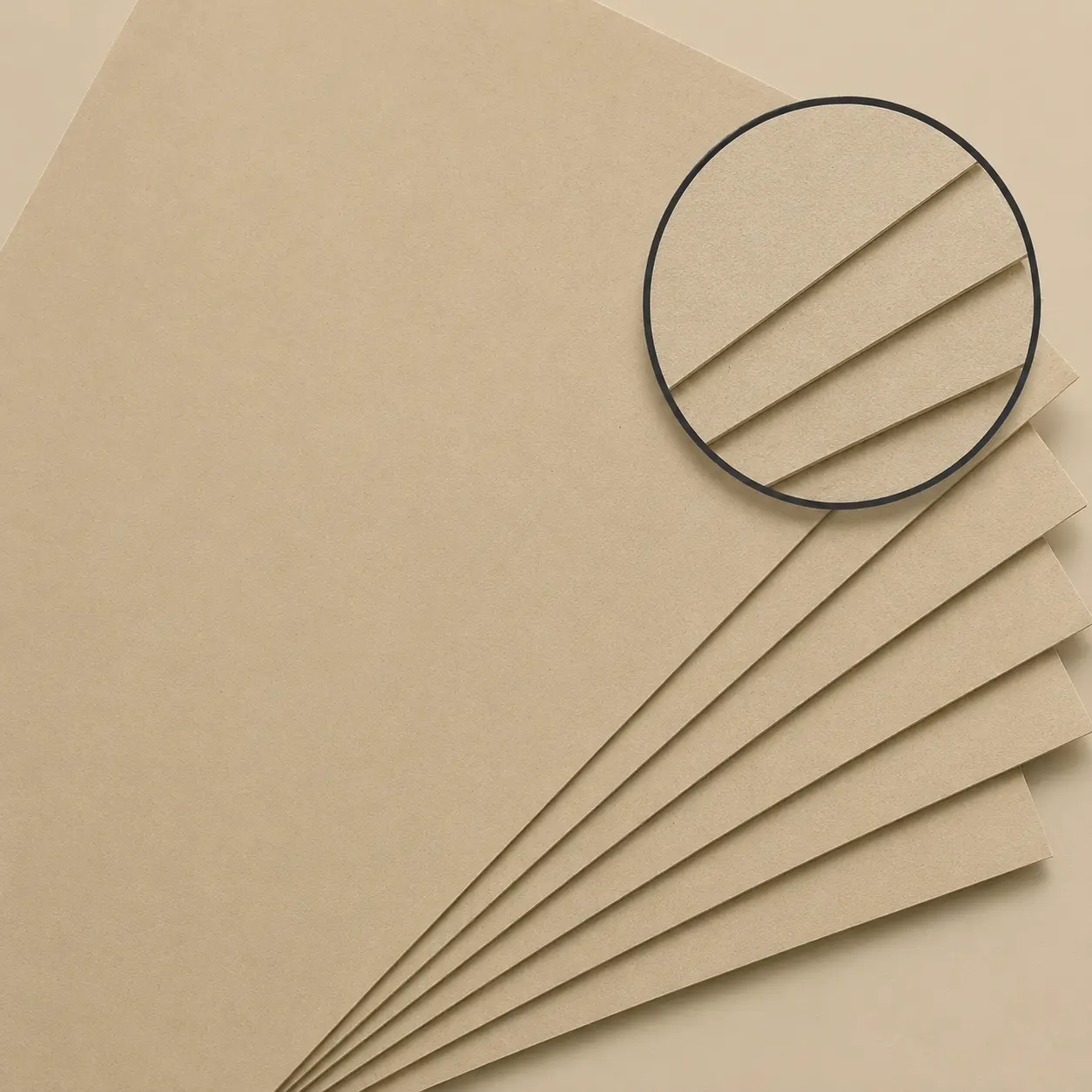
High-density rigid board built for wholesale cartons, structural strength, and stack-ready warehouse logistics.
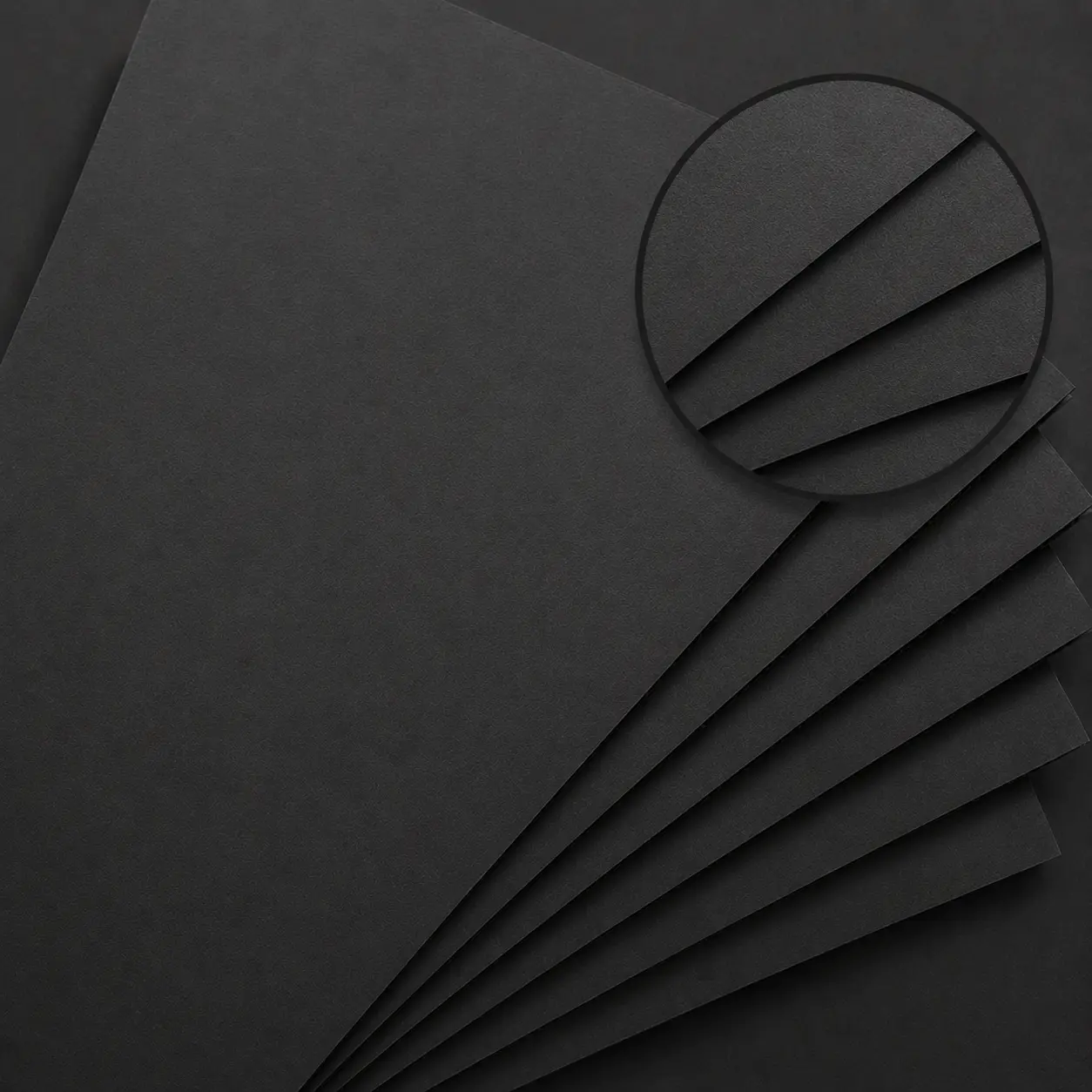
Eco-conscious black kraft for premium unboxing programs, corporate gifting, and limited-edition product lines.
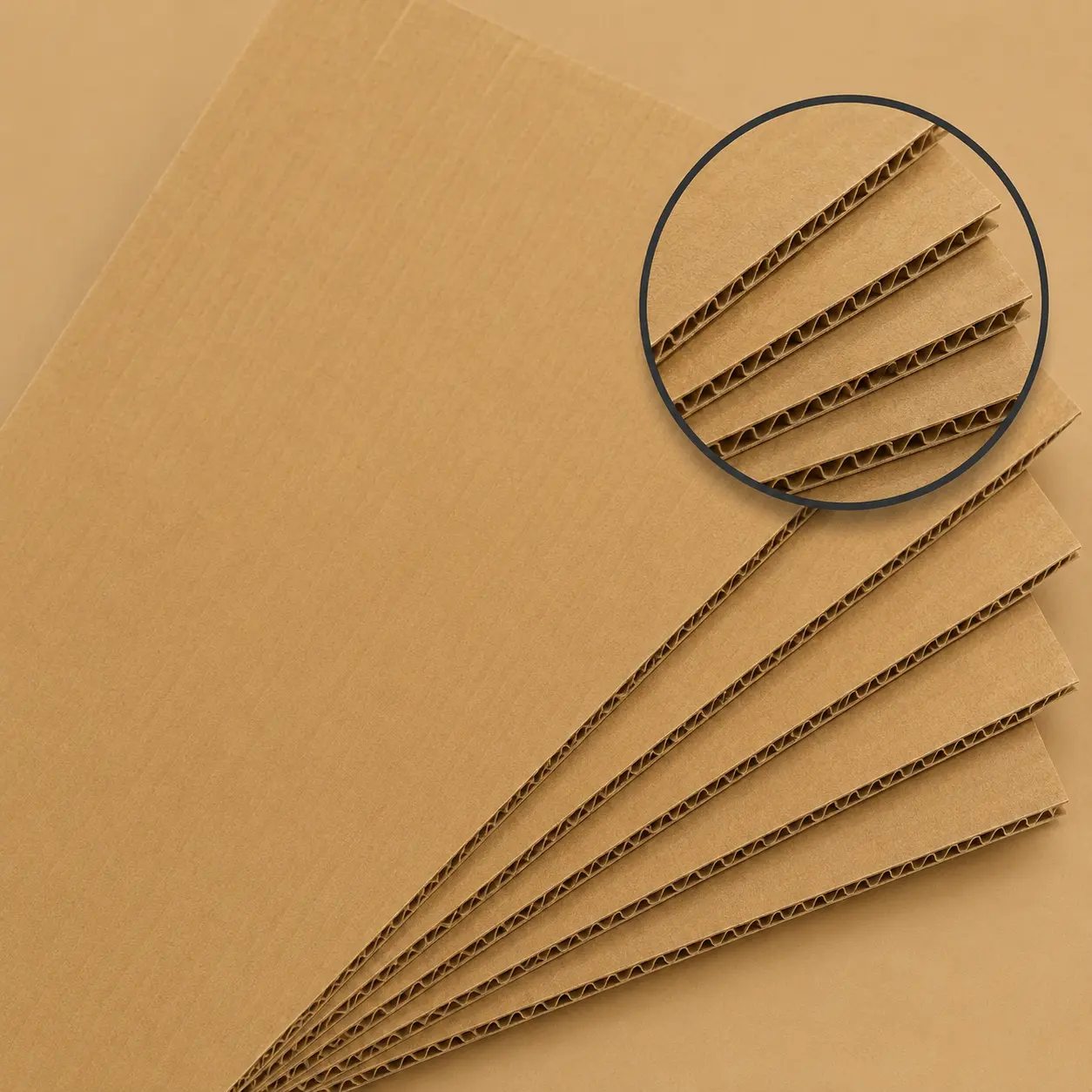
Multi-flute corrugated board built for protective shipping, e-commerce dispatch, and high-volume B2B fulfillment.
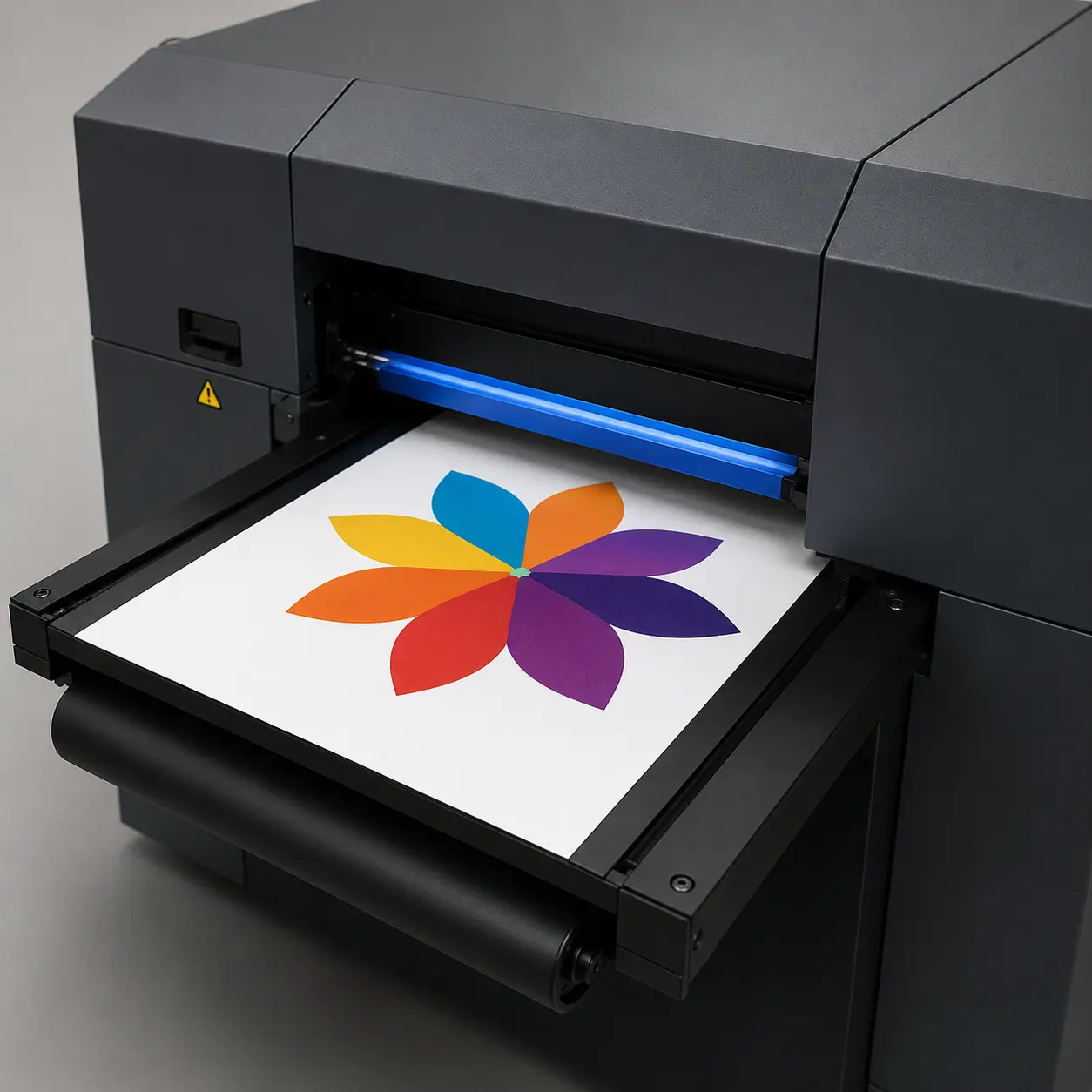
Short-run digital printing with no plate setup — ideal for prototypes, sample approvals, and quick reorders.
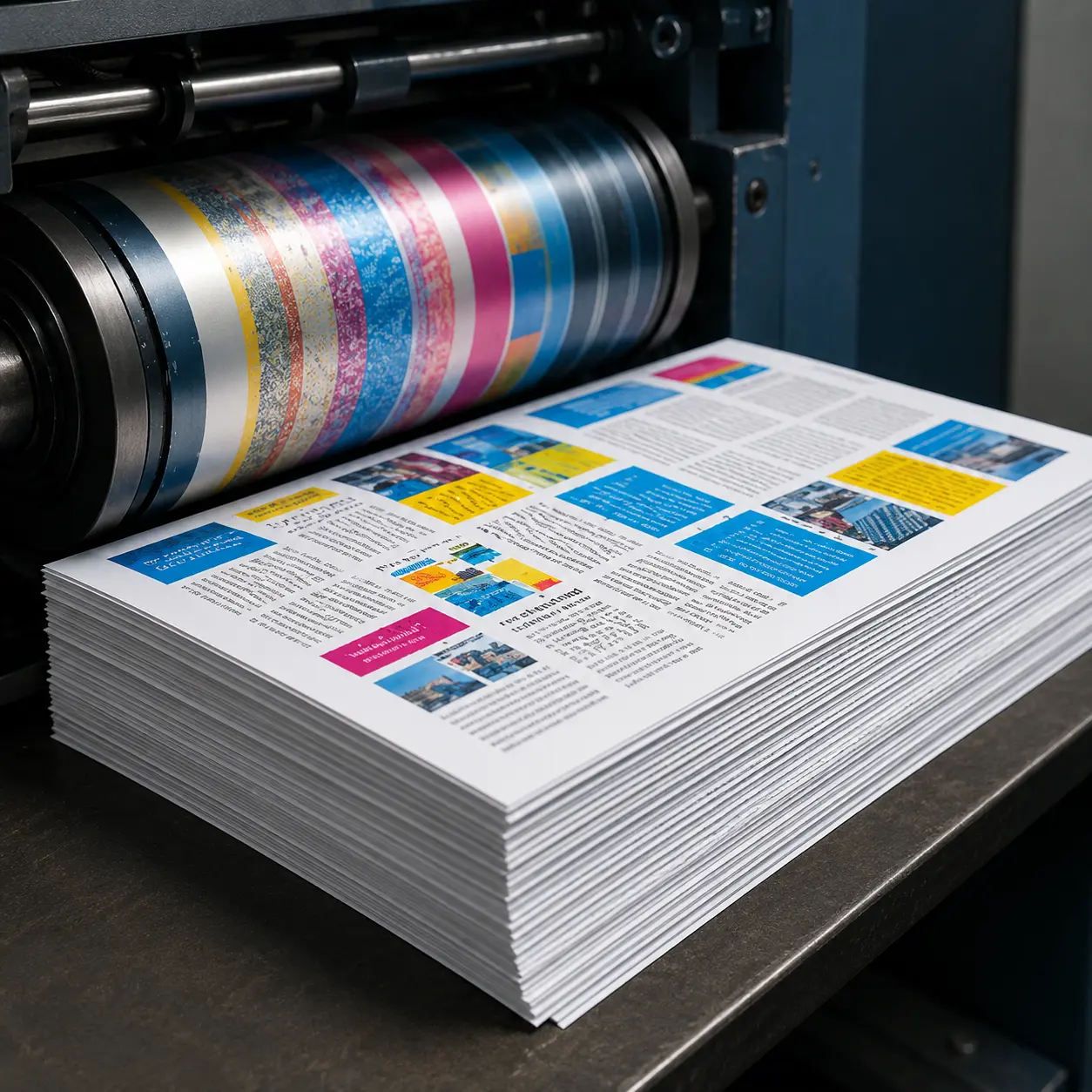
Industry-standard offset printing for high-volume runs with consistent color matching across bulk production.

Selective dimensional embellishment for premium B2B branding, tactile depth, and shelf differentiation.

Vibrant UV-cured printing suited for promotional packaging, event giveaways, and trade-show units.
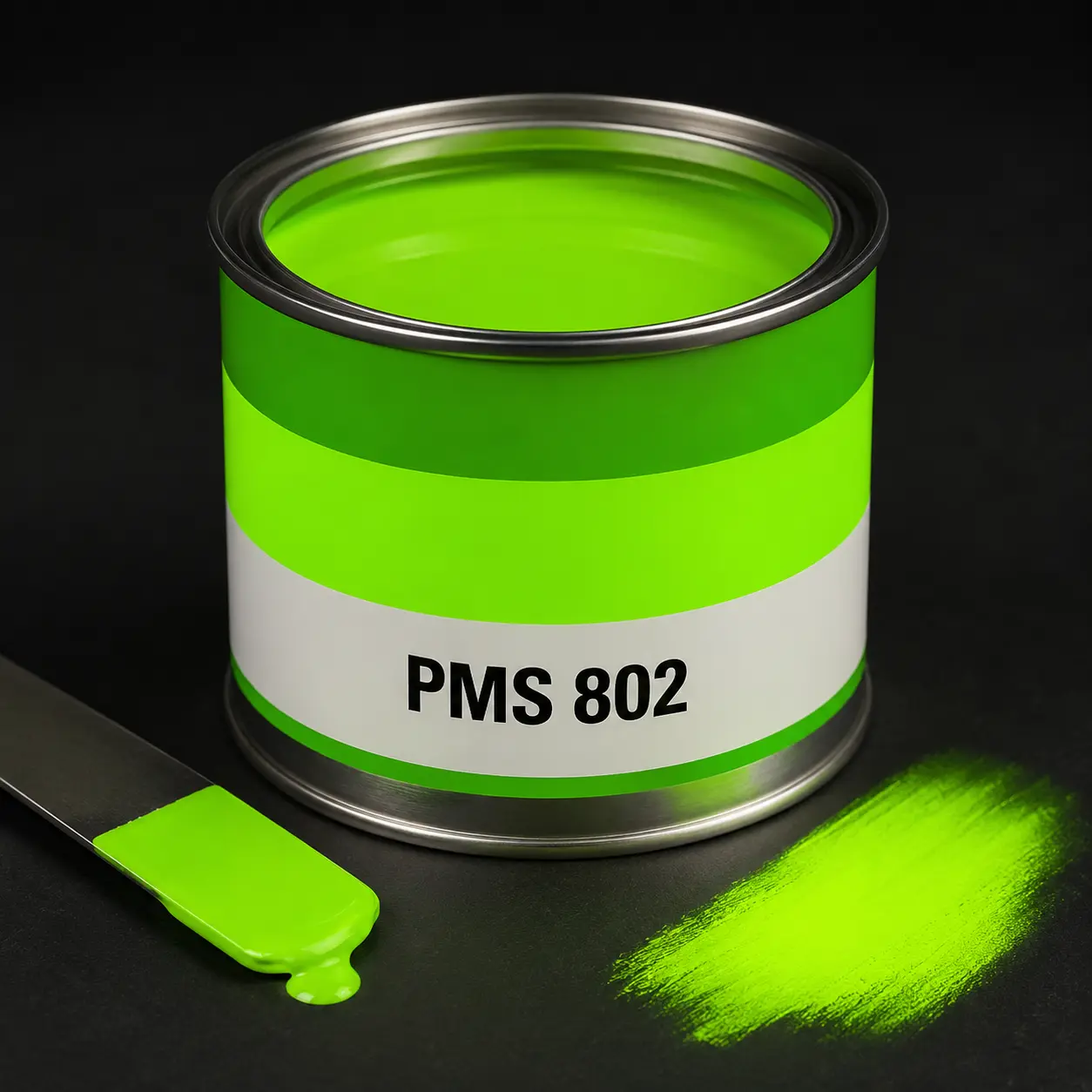
High-visibility ink system engineered for shelf impact, retail displays, and wholesale point-of-sale units.
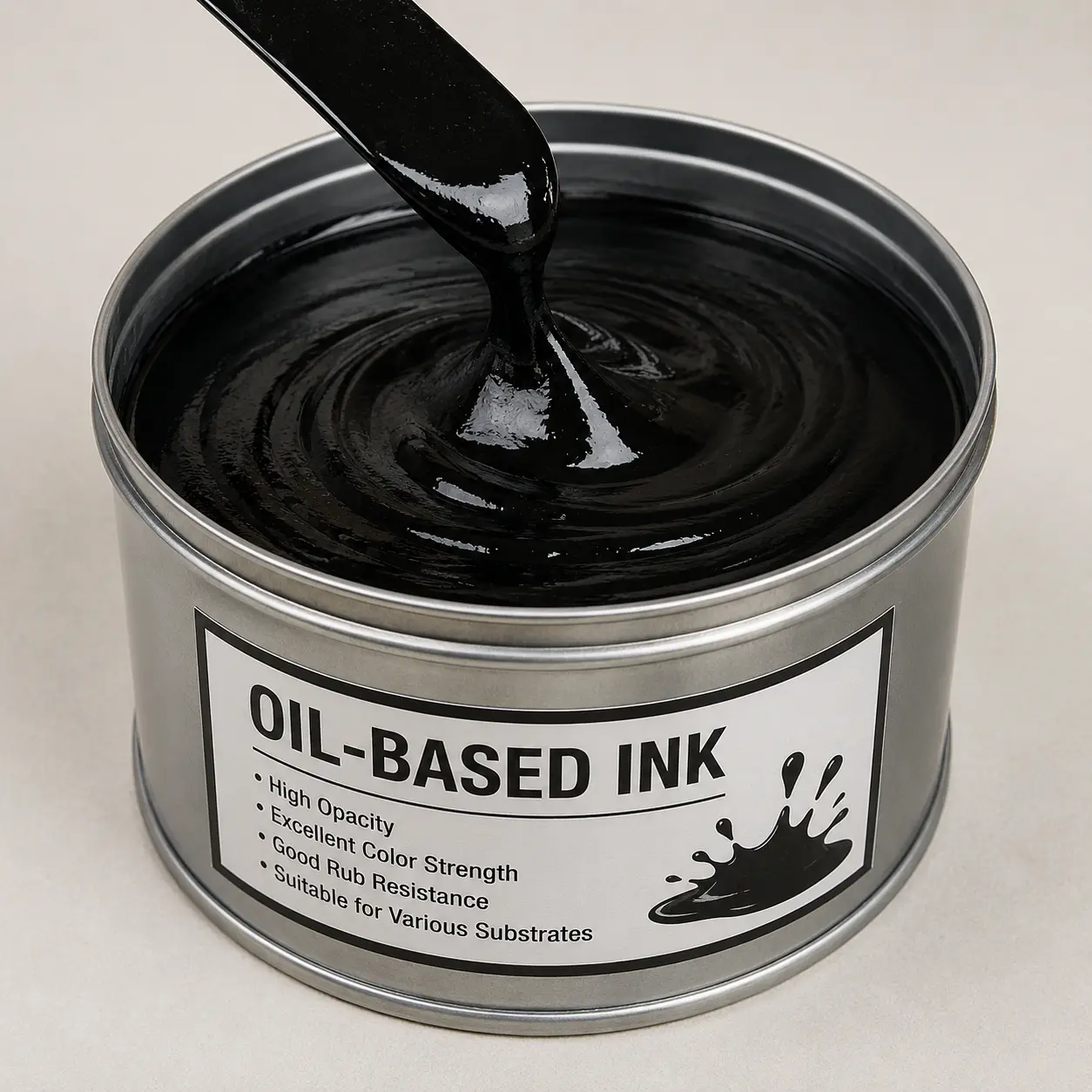
Industry-grade ink for durable, scuff-resistant production runs across long-haul distribution.

Spot-color matching to corporate brand standards — consistent identity across every SKU and reorder.

Sustainable plant-based ink for eco-certified packaging programs and ESG-aligned product launches.

Protective film extends shelf life and protects packaging during shipping and warehouse handling.

Water-based protective seal — fast-drying, food-safe-friendly finish for high-volume bulk production.

Premium tactile finish that elevates corporate gifting boxes and high-end B2B product lines.

Highlight logos and key artwork with selective gloss for maximum retail brand recognition.

Raised brand marks for tactile, premium identity on retail shelves and corporate packaging.

Pressed impressions for subtle, sophisticated branding on premium B2B product lines.

Metallic foil application — gold, silver, and custom finishes for luxury wholesale packaging.
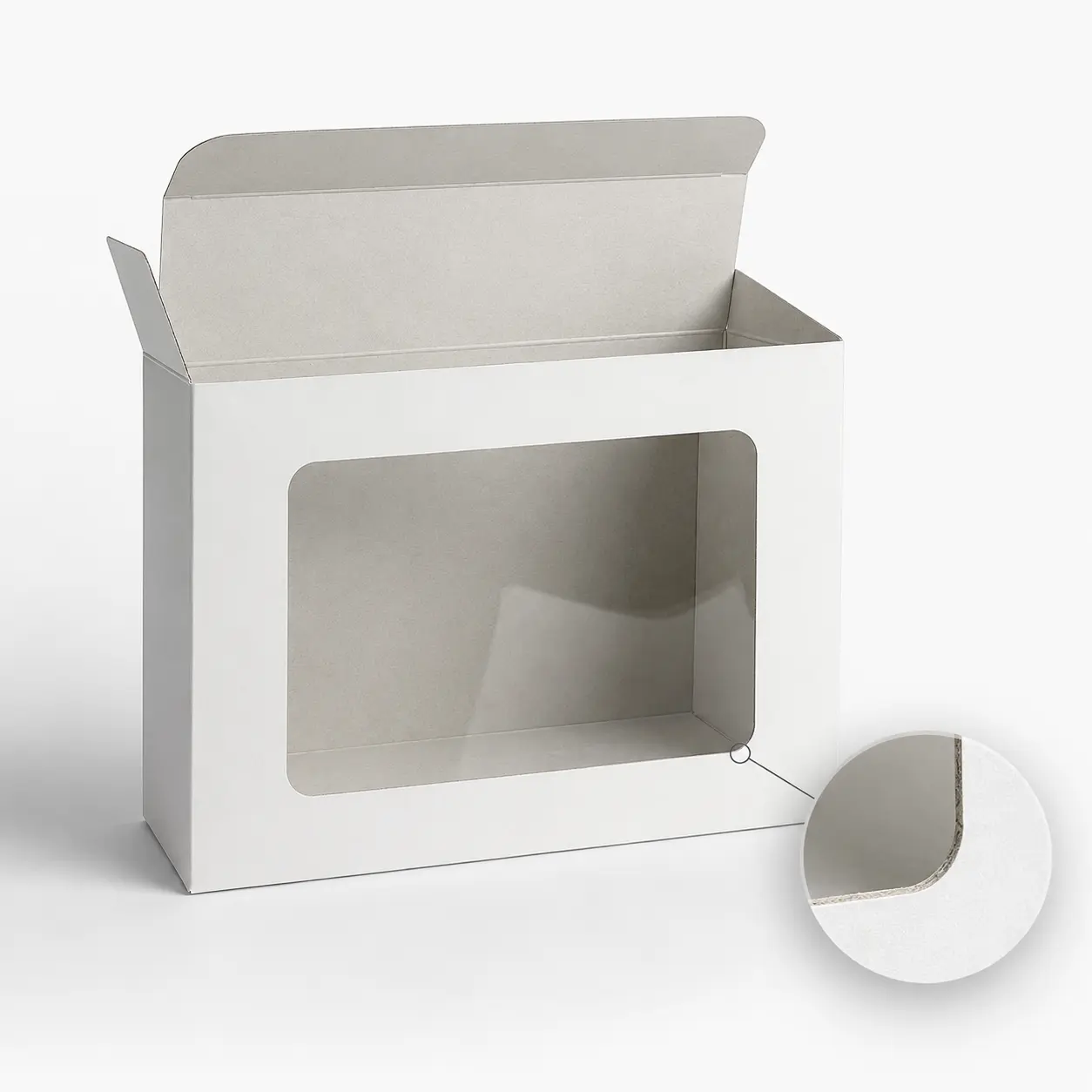
Precision die-cut openings that let customers view the product inside, with optional clear patching for better protection and presentation.
Simple, practical, and built around real B2B production needs.
Send product size, quantity, material preference, artwork, and delivery details.
Our team prepares a proof or 3D mockup so you can check design and structure.
Once approved, your packaging moves into printing, cutting, finishing, and packing.
Finished boxes are packed and shipped to your warehouse, retailer, or 3PL.
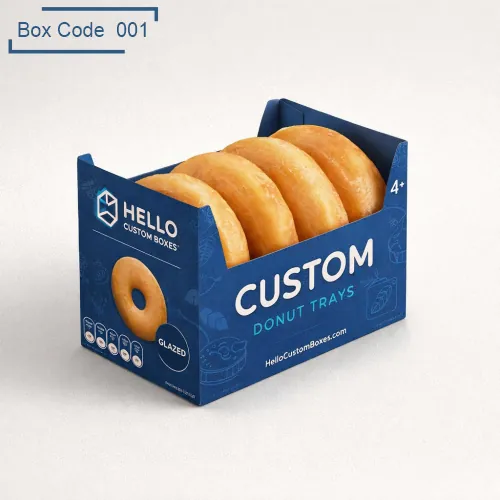
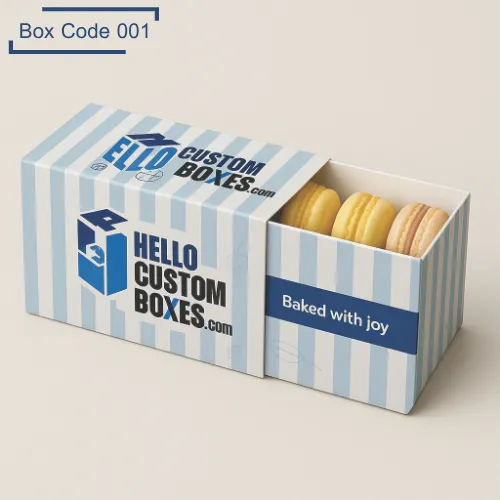
Explore similar packaging options that may fit your product line.

Reviews
There are no reviews yet.