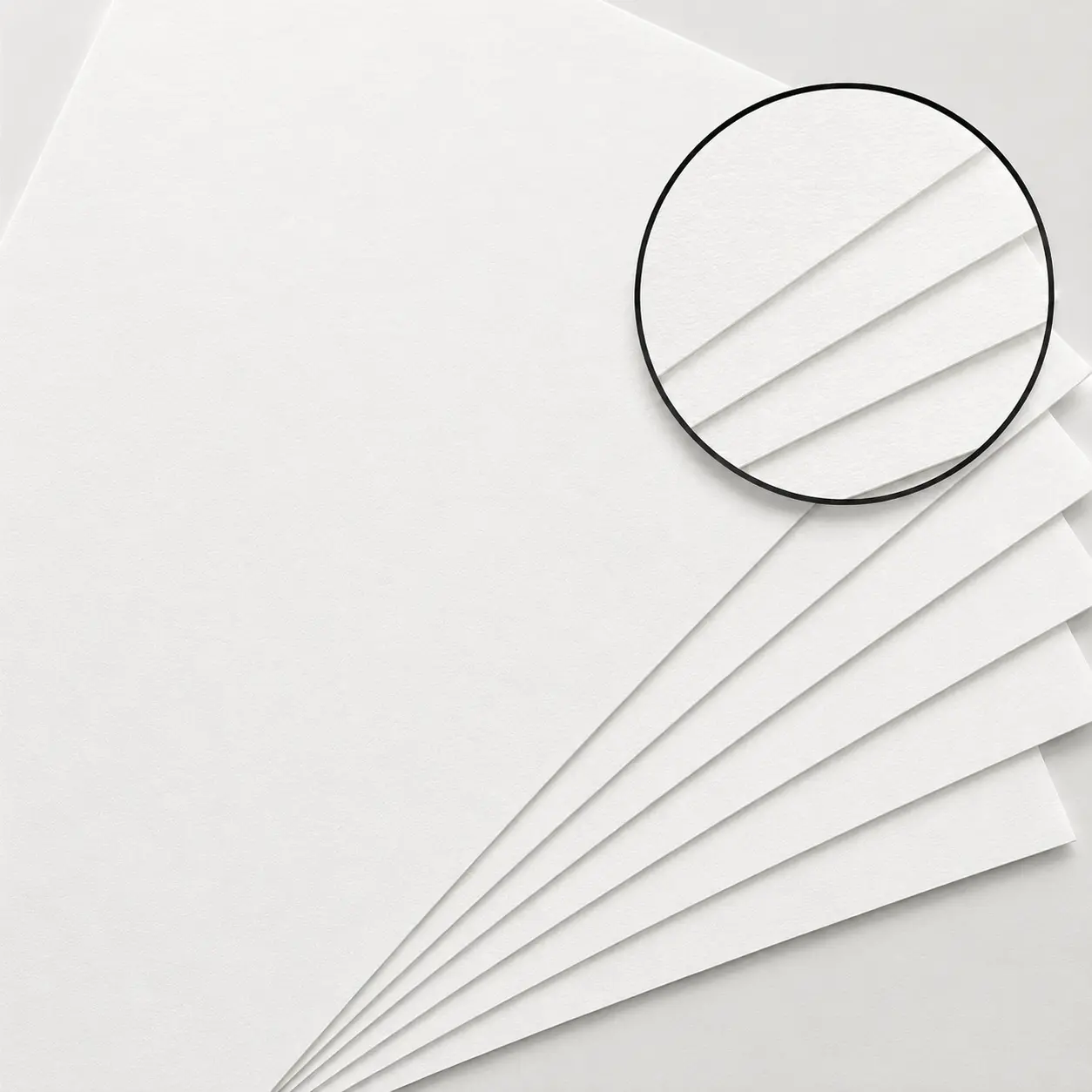
SBS Cardboard
Premium bleached substrate engineered for retail-ready packaging with sharp, high-resolution print performance across bulk SKUs.
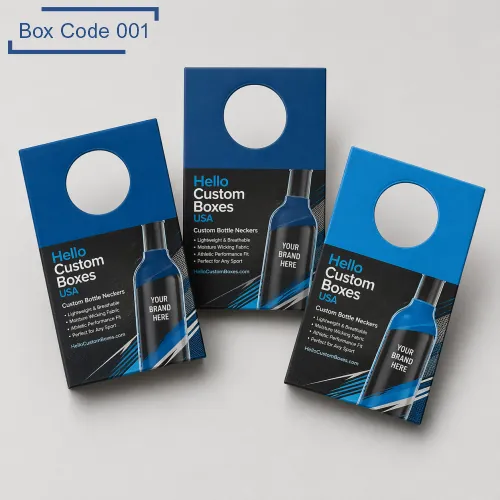
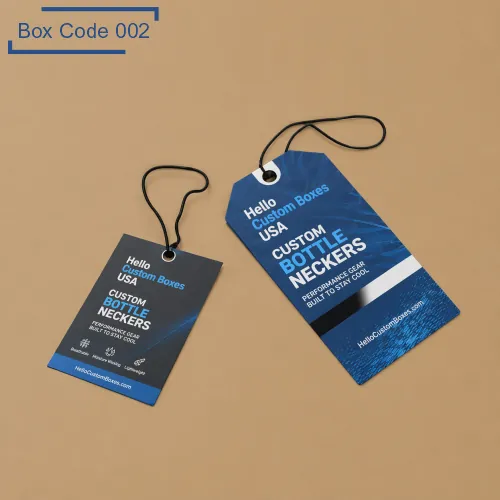
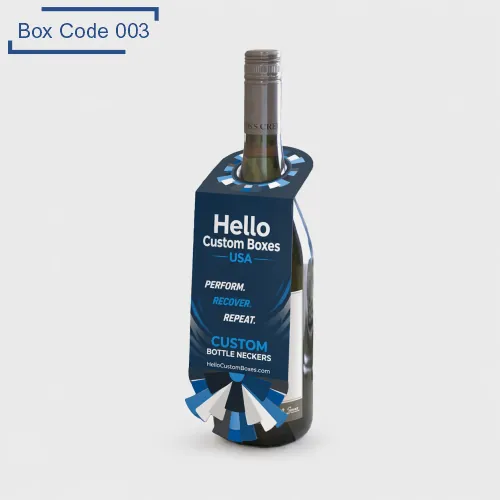
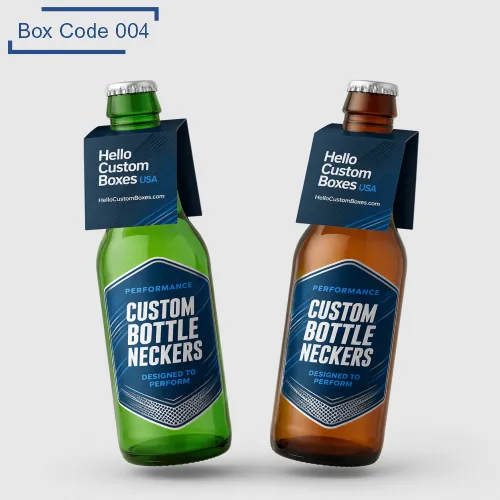
Custom bottle neckers give you a little more room to talk to shoppers without changing the label already on your bottle. Beverage brands use them, but so do sauce makers, cosmetic companies, gift brands, and other businesses selling bottled products. They can carry a discount, QR code, product note, or short promotion. Each piece is cut around the bottle size and printed to match the job, so it looks like part of the product rather than something added at the last minute.
Tell us your specs and we'll send pricing within one business day.
Bottle neckers are printed paperboard pieces placed around the neck of a bottle. You may also hear them called bottle neck hangers or bottle neck tags.
Most have a hole or shaped opening cut into the board. The necker passes over the cap and settles around the narrower part of the bottle. Some designs use a slit or small locking tabs instead.
The fit matters quite a bit. A loose necker can turn sideways, slide around, or come off while bottles are being packed. Make the opening too tight and staff may have trouble putting it over the cap.
That is why the bottle itself needs to be considered before the die line is made.
There is only so much room on a bottle label.
Ingredients, directions, warnings, barcodes, and regular branding often take up most of it. Adding another message can leave the label crowded and harder to read.
Custom printed bottle neckers solve that problem by adding a separate print area.
Brands use them for things like:
Once the promotion ends, the main bottle label does not have to change. The necker can simply be removed or replaced with a new version.
That makes this format useful for short campaigns and products sold through different stores or regions.
When we size a bottle necker, the neck diameter is only part of the job.
The cap has to be checked too. So does the tamper band, neck ring, pump, dropper, shoulder, or any other part the necker must pass over before reaching its final position.
A round opening may work on one bottle and fit poorly on another.
Some openings need small cuts or flexible tabs so the necker can pass over a wider cap. Folded styles may also need score lines. Those scores must sit in the right place or the finished piece can lean against the bottle or fold unevenly.
Whenever possible, work from accurate bottle dimensions. A physical sample is even better when the closure is unusual.
For a new shape, testing one sample before the full run is a sensible step.
Flat bottle neck tags are straightforward.
They use less paperboard, take up little room in storage, and are quick to place on bottles by hand. For a QR code, short offer, coupon, or seasonal message, a flat necker is often enough.
Folded neckers give you more room to work with.
A folded design can have front and back panels, extra side areas, or a section that holds a coupon. The additional space is useful, though somebody still has to fold and apply each piece.
That may not matter for a small order.
For larger custom bottle neckers wholesale runs, application time becomes more important. If workers are placing neckers by hand, an extra fold or locking tab can slow the packing process.
It is worth testing how quickly the chosen style can be applied before approving a large quantity.
SBS paperboard is a common choice for this type of work.
The surface is smooth, which helps with small text, detailed graphics, and cleaner color reproduction. It is a practical option when the artwork has fine details or the printed appearance needs to stay consistent across a larger order.
Kraft paperboard has a different look and feel.
The natural brown surface works well for simpler designs and brands that want visible paper texture. Colors do not print on kraft the same way they do on white SBS, though. Light shades, photographs, and some brand colors may need artwork adjustments.
Recycled paperboard may also work, depending on the necker shape and printing requirements.
Thickness should be chosen with the finished size in mind.
A small, flat neck tag usually does not need very heavy stock. A larger folded necker may need more stiffness so it does not sag, bend, or twist after repeated handling.
If responsible fiber sourcing is part of your packaging requirements, FSC-certified paperboard and recyclable stock options can also be considered.
Bottle neckers are small printed pieces. That changes the way artwork should be prepared.
A headline that looks large on a computer screen may become much smaller once it is placed on the final die line. The same issue comes up with QR codes, coupon details, fine lines, and legal text.
CMYK printing works for full-color artwork, photographs, gradients, and promotional designs.
Pantone color matching may be useful when a specific brand color needs closer control.
Offset printing is commonly used for larger runs where print consistency is important. Digital printing can be a practical choice for shorter orders, test campaigns, or designs that change often.
Before approving the proof, check the artwork at its actual printed size.
QR codes should also be scanned from the final-size proof. It is much easier to fix a code before printing than after thousands of neckers have been produced.
Not every bottle necker needs several finishing effects.
Sometimes a straightforward printed and coated piece does the job better.
Matte coating cuts down on glare and gives the surface a softer appearance. Gloss coating adds more shine and can make bright graphics stand out under store lighting.
Spot UV can be placed over a logo, pattern, or small part of the artwork. Foil stamping can add metallic detail without covering the whole necker.
Embossing and debossing are also possible, but placement needs some thought.
A deep embossed area too close to the opening, slit, or narrow paper section can put unnecessary stress on the board.
Storage conditions matter as well.
Bottles kept in refrigerators or coolers may collect condensation. Paperboard is not automatically resistant to moisture, so tell us where the bottles will be stored and sold before the board and coating are selected.
A necker can fit the bottle nicely and still cause trouble inside the shipping case.
Wide panels may press against neighboring bottles. Long pieces can bend against dividers. Corners may rub against the carton or other neckers while the case is moving through distribution.
These problems are easier to catch before production.
If your neckers will be applied at a warehouse, store, or fulfillment location, shipping them flat can save storage space.
If they are placed on bottles before case packing, check the available space between bottles. A sample pack-out can show whether the printed pieces stay flat or become bent during shipping.
Businesses deciding between neckers, cartons, and other bottle presentation formats can also review our bottle packaging before choosing a structure.
Start with the bottle.
We need the neck diameter, cap diameter, neck height, and the approximate size of the printed area you want. Photos are helpful. For unusual bottles or closures, sending a physical sample can remove much of the guesswork.
Next, tell us how many neckers you need and how they will be used.
We will also need to know your preferred board, printing requirements, finishing choices, and whether the pieces will be applied by hand or during a larger packing process.
Once the dimensions are confirmed, a die line can be prepared for artwork placement.
Check the final proof carefully before production. Look at text size, colors, cut lines, folds, QR codes, and the position of important graphics.
For a bottle or structure you have not used before, a sample can help confirm the fit before moving ahead with the complete order.
Bottle neckers are useful when the main label has run out of room or when you want to add a message that will only be used for a certain campaign.
Hello Custom Boxes makes custom bottle neckers around the bottle, artwork, order quantity, and packing requirements provided for the job. You can choose a simple flat tag or use a folded structure when more print space is needed.
Send us your bottle dimensions, quantity, artwork details, and finishing requirements for a quote.
If the bottle has an unusual cap or neck shape, include a photo or sample. Checking the fit early can save time once production begins.
| Specification | Details |
|---|---|
| Necker Format | Die-Cut Paper or Cardboard Tag Designed to Fit Around a Bottle Neck |
| Neck Opening | Custom-Cut Hole Sized to Match the Bottle Closure and Neck |
| Bottle Compatibility | Suitable for Wine, Spirits, Beverages, Oils, Sauces, Cosmetics, and Specialty Bottles |
| Card Stock | Kraft, Recycled Card, Coated Paperboard, and Premium Card Stocks |
| Tag Profile | Standard, Rounded, Arched, Oversized, or Custom Die-Cut Shapes |
| Hanging Position | Designed to Sit Around the Neck Without Covering the Main Bottle Label |
| Information Space | Suitable for Promotions, Product Stories, Usage Notes, Pricing, or Brand Messaging |
| Double-Sided Print | Front and Back Printing Available for Additional Information |
| Attachment Style | Slip-On Neck Design or Custom Perforated/Folding Construction |
| Card Thickness | Available in different weights according to the desired rigidity and appearance |
| Surface Options | Uncoated, Matte, Gloss, Textured, or Specialty Paper Finishes |
| Decorative Details | Foil Stamping, Embossing, Debossing, and Custom Die-Cutting |
| Brand Integration | Custom Typography, Artwork, Colors, Promotional Graphics, and Product Information |
| Display Purpose | Ideal for Shelf Promotions, Limited Editions, Gift Bottles, Events, and Brand Campaigns |
| Production Size | Customized according to bottle neck diameter, tag dimensions, and artwork requirements |
Choose from practical materials, print methods, inks, finishes, and add-ons for a better product presentation.
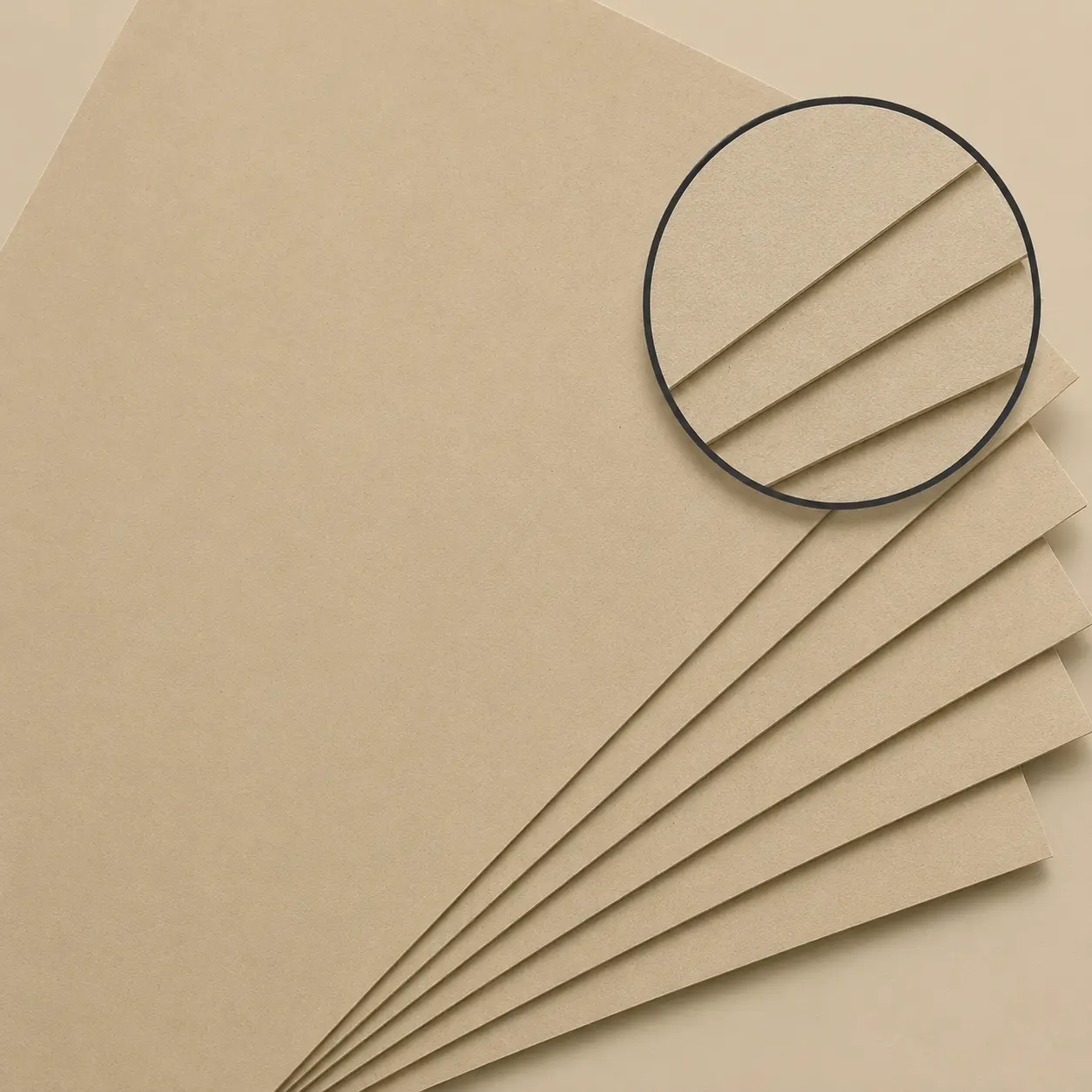
Premium bleached substrate engineered for retail-ready packaging with sharp, high-resolution print performance across bulk SKUs.
High-density rigid board built for wholesale cartons, structural strength, and stack-ready warehouse logistics.
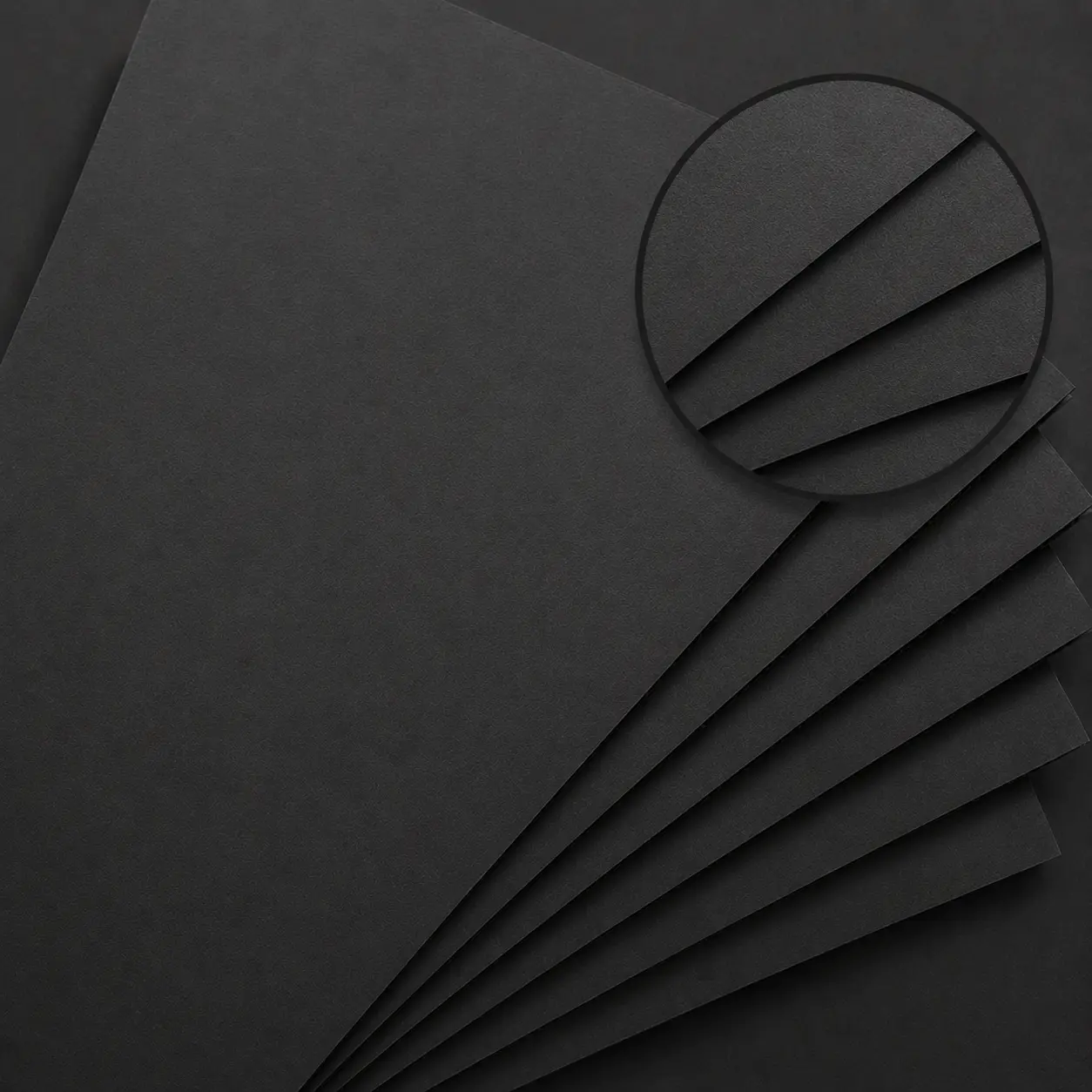
Eco-conscious black kraft for premium unboxing programs, corporate gifting, and limited-edition product lines.
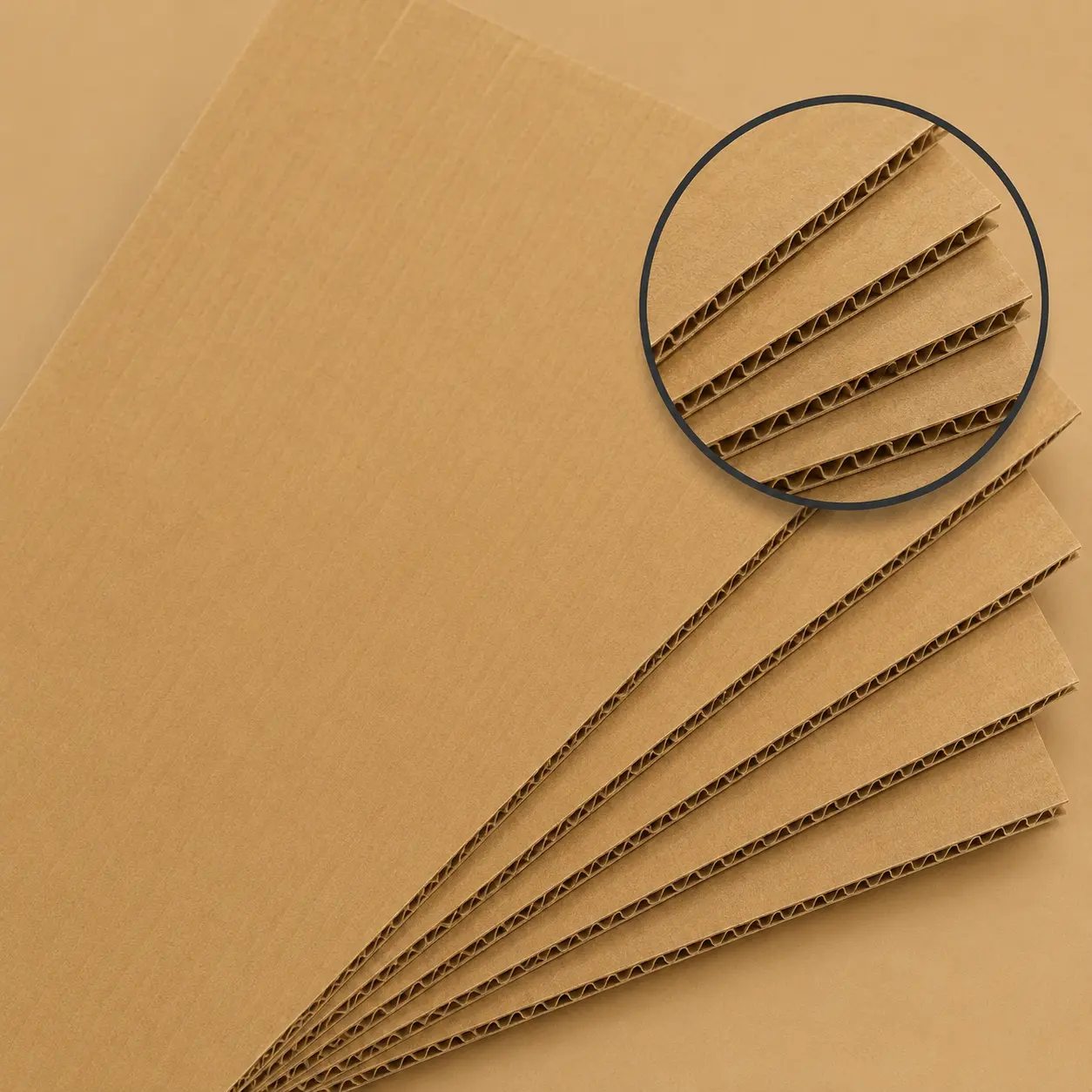
Multi-flute corrugated board built for protective shipping, e-commerce dispatch, and high-volume B2B fulfillment.
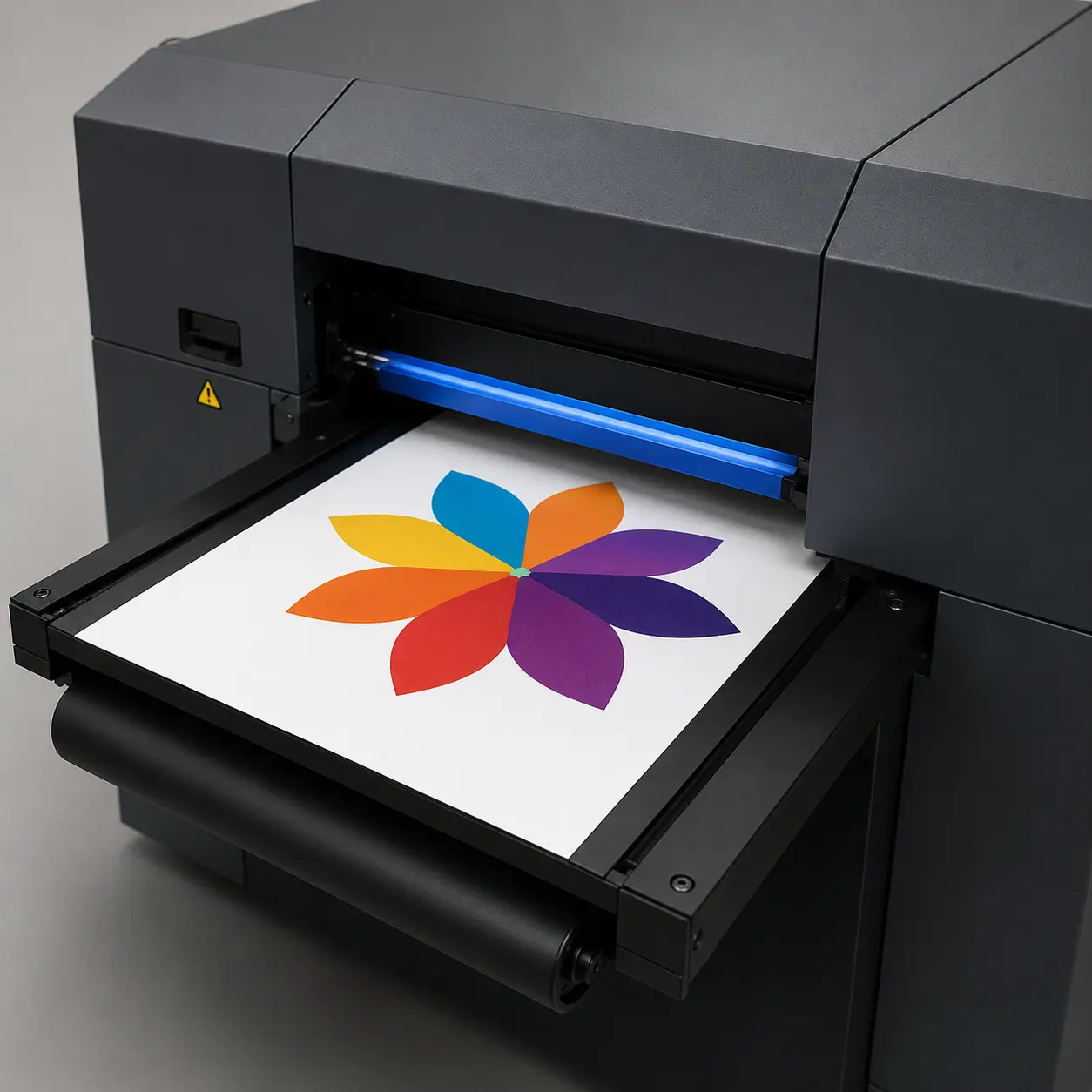
Short-run digital printing with no plate setup — ideal for prototypes, sample approvals, and quick reorders.
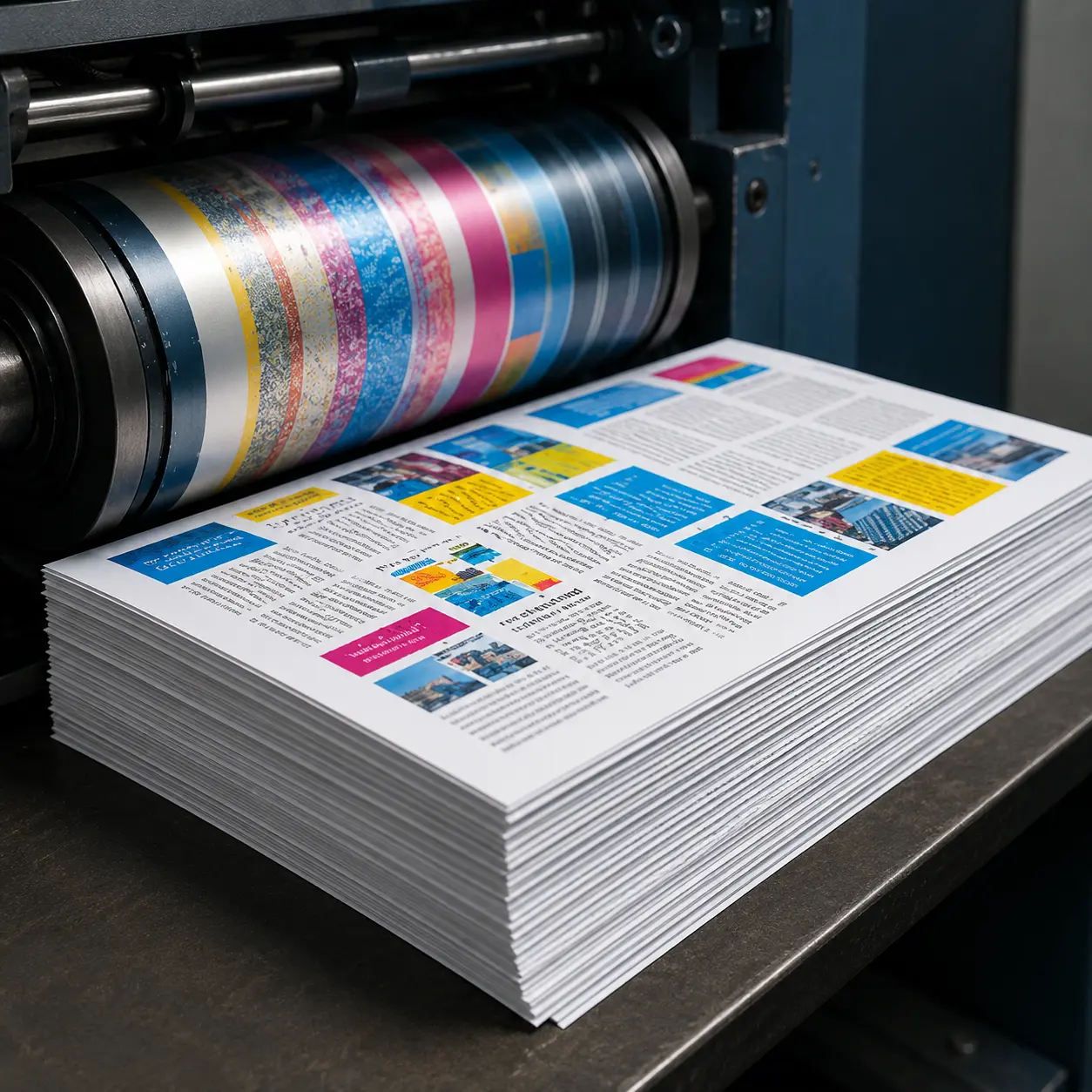
Industry-standard offset printing for high-volume runs with consistent color matching across bulk production.

Selective dimensional embellishment for premium B2B branding, tactile depth, and shelf differentiation.

Vibrant UV-cured printing suited for promotional packaging, event giveaways, and trade-show units.
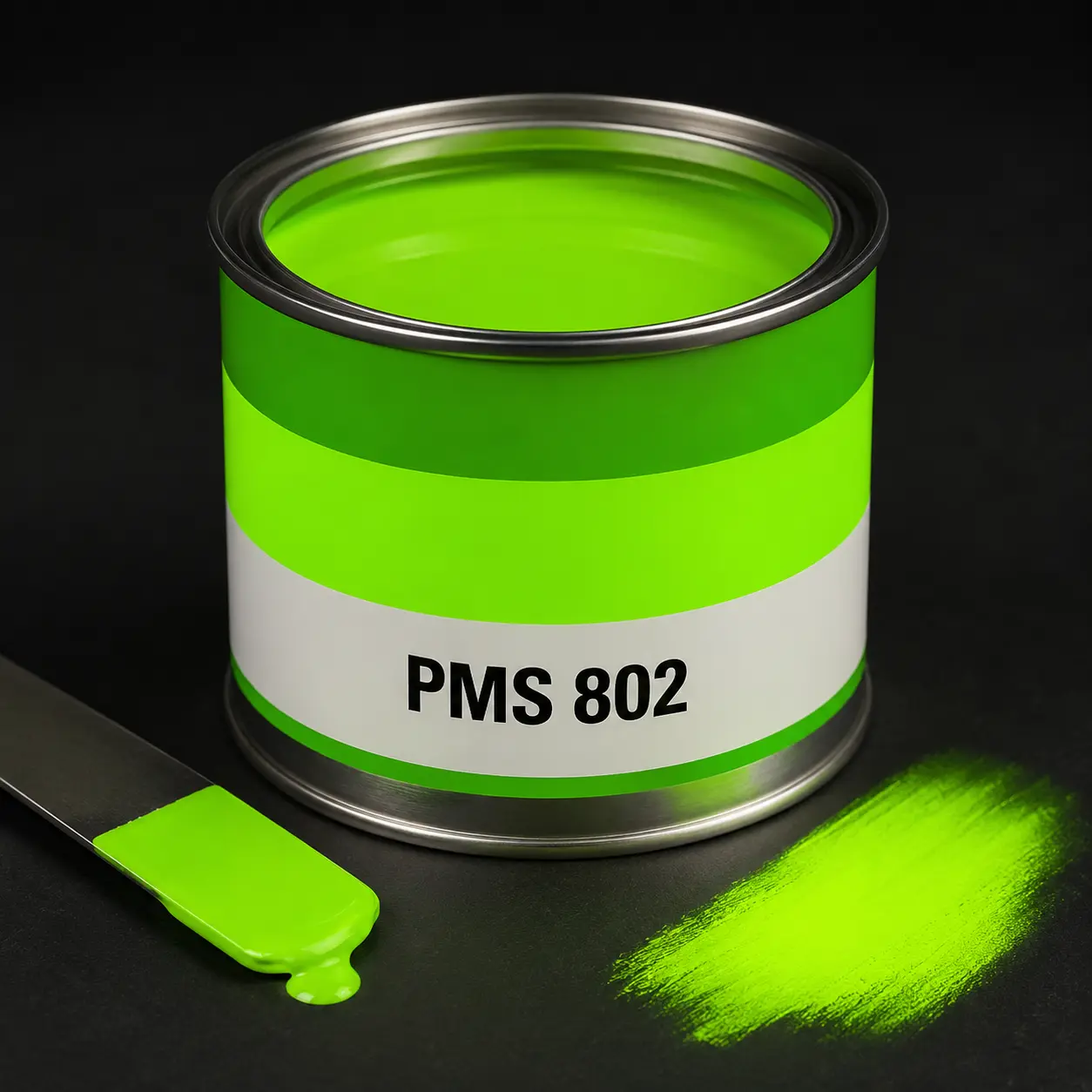
High-visibility ink system engineered for shelf impact, retail displays, and wholesale point-of-sale units.
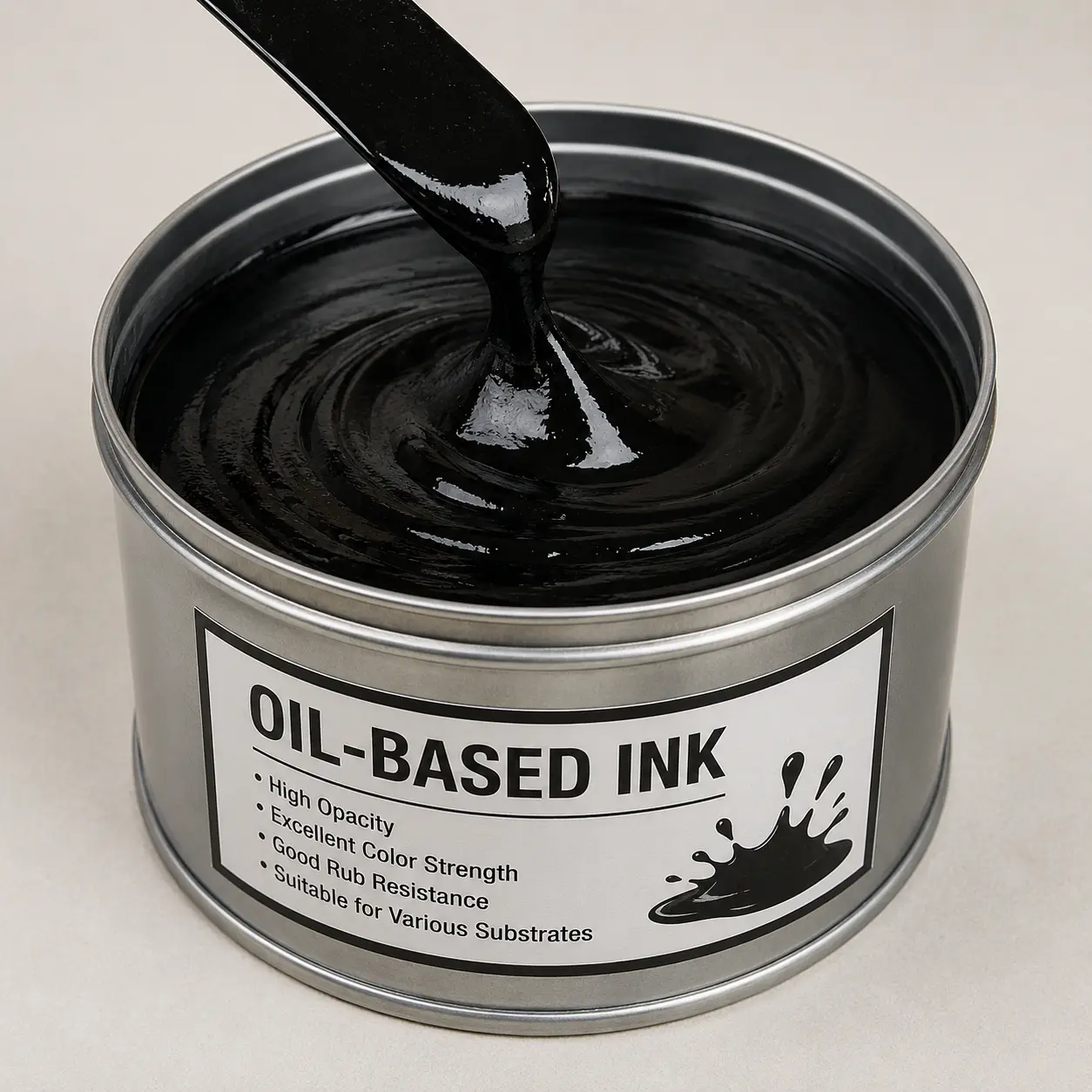
Industry-grade ink for durable, scuff-resistant production runs across long-haul distribution.

Spot-color matching to corporate brand standards — consistent identity across every SKU and reorder.

Sustainable plant-based ink for eco-certified packaging programs and ESG-aligned product launches.

Protective film extends shelf life and protects packaging during shipping and warehouse handling.

Water-based protective seal — fast-drying, food-safe-friendly finish for high-volume bulk production.

Premium tactile finish that elevates corporate gifting boxes and high-end B2B product lines.

Highlight logos and key artwork with selective gloss for maximum retail brand recognition.

Raised brand marks for tactile, premium identity on retail shelves and corporate packaging.

Pressed impressions for subtle, sophisticated branding on premium B2B product lines.

Metallic foil application — gold, silver, and custom finishes for luxury wholesale packaging.
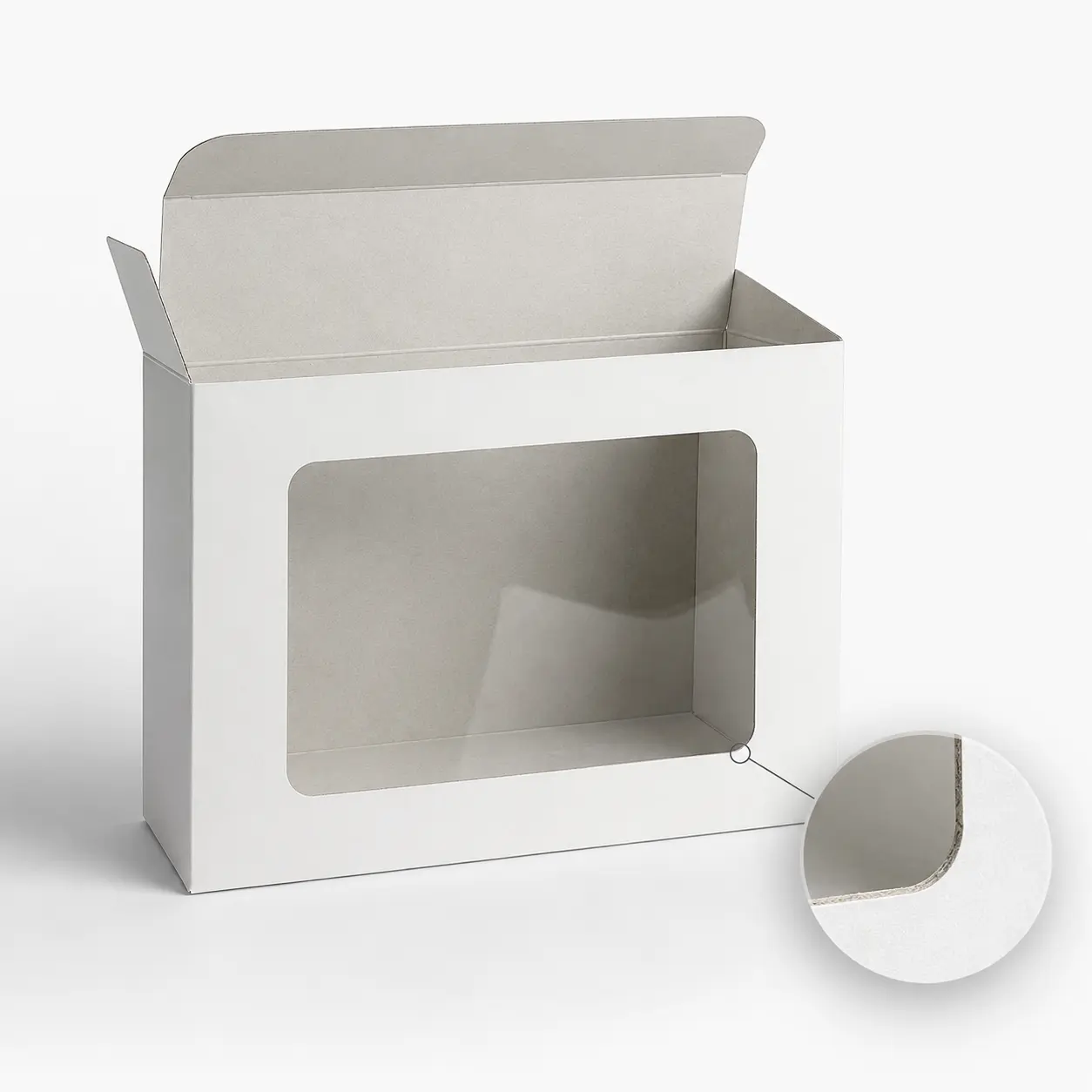
Precision die-cut openings that let customers view the product inside, with optional clear patching for better protection and presentation.
Simple, practical, and built around real B2B production needs.
Send product size, quantity, material preference, artwork, and delivery details.
Our team prepares a proof or 3D mockup so you can check design and structure.
Once approved, your packaging moves into printing, cutting, finishing, and packing.
Finished boxes are packed and shipped to your warehouse, retailer, or 3PL.
Explore similar packaging options that may fit your product line.


Reviews
There are no reviews yet.