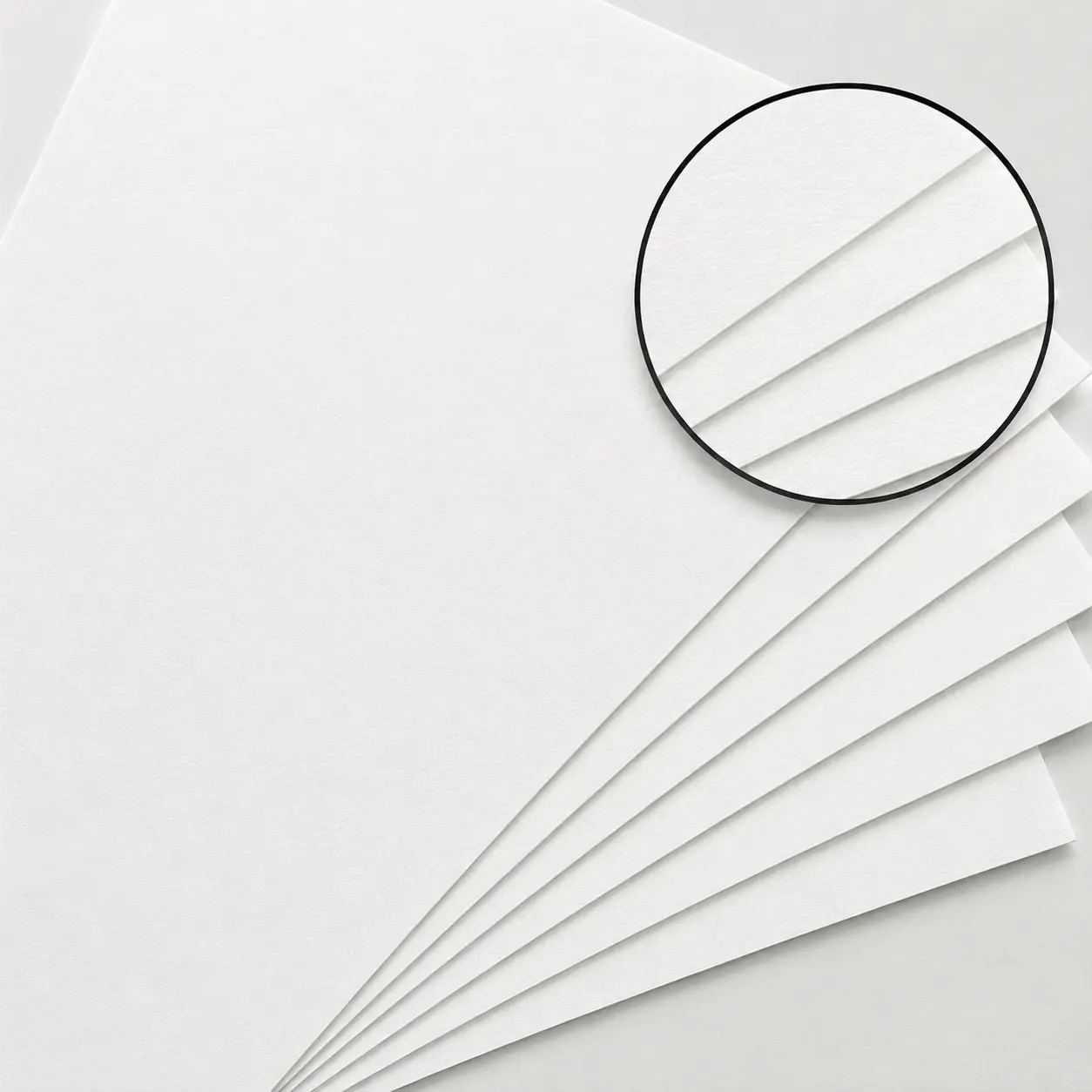
SBS Cardboard
Premium bleached substrate engineered for retail-ready packaging with sharp, high-resolution print performance across bulk SKUs.
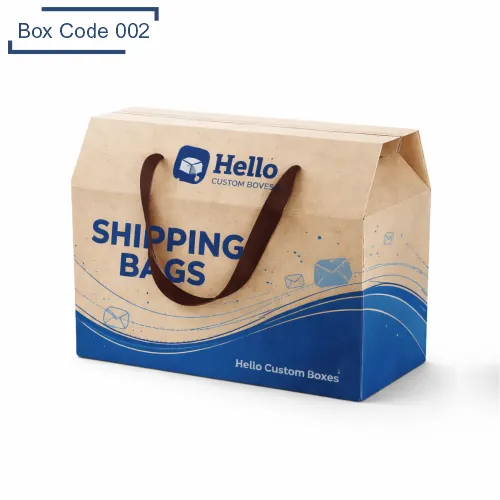
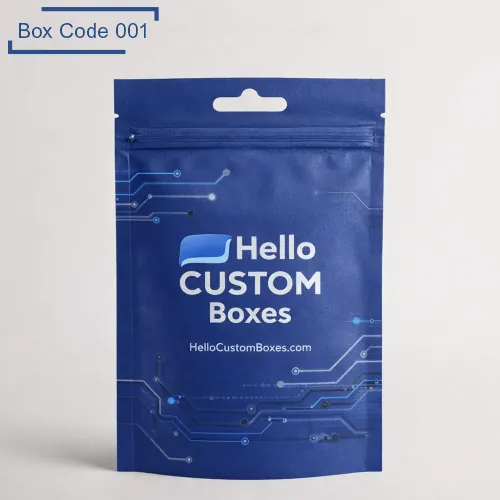
Custom shipping bags can be sized for clothing, documents, accessories, and other non-fragile products shipped through ecommerce and courier networks. Choose suitable bag dimensions, material, thickness, closure style, and custom printing based on the product and handling needs. Hello Custom Boxes USA can customize the fit, artwork, and bag format for branded shipping and repeat fulfillment orders.



Tell us your specs and we'll send pricing within one business day.
Custom shipping bags provide a flexible alternative to rigid cartons when the product does not need hard-wall protection. For products that need rigid walls or more structured protection, custom ecommerce packaging boxes can be a better fit than flexible shipping bags. They can suit apparel, documents, accessories, soft goods, and other lightweight items moving through ecommerce, postal, or courier networks.
The bag should be selected around the packed product rather than using one format for every shipment. Product weight, dimensions, surface shape, closure requirements, and expected handling all affect the final specification.
Because flexible packaging does not have rigid sidewalls, material strength, seam construction, and fit play an important role in keeping the contents enclosed during normal handling.
Film or paper thickness is only one part of the specification. A stronger material can still perform poorly if the seams, closure, or finished dimensions are not suited to the packed item.
A bag that is too loose can fold and pull during handling, while an overly tight fit can place unnecessary stress on the edges or closure.
Closure styles can include adhesive strips, tamper-evident formats, or dual-strip designs where a second closure is useful for returns. The final choice should reflect how the parcel will be packed, opened, and handled after delivery.
Where moisture exposure is a concern, the selected material should also be reviewed for the level of protection required rather than assuming every shipping bag performs the same way.
The right shipping bag size depends on the finished product dimensions, thickness, and how much room is needed for easy loading and closure.
Clothing and other folded soft goods may need additional depth, while documents and flatter items can use a closer-fitting format. Gusseted bags can provide extra capacity where the packed item has more depth.
For a custom shipping bag, provide the packed length, width, and depth rather than only the dimensions of the product before it is folded, bundled, or prepared for shipment.
If the bag includes a gusset, return strip, or reinforced closure area, those features should also be considered before the final dimensions are approved. A closer fit can reduce unnecessary loose material without making the bag difficult to fill or seal.
Custom mailing bags can be selected according to the product and level of protection required.
Standard flexible mailers can suit apparel, documents, and soft goods where a lightweight package is sufficient. Padded or bubble-lined formats can provide additional cushioning for products that need more separation from outside contact.
Tamper-evident styles can be considered where visible evidence of opening is useful. For ecommerce returns, dual-strip mailers allow one closure to be used for the original shipment and another when the customer sends the item back.
The best format depends on the product rather than automatically choosing the same mailing bag for every order.
Custom printed shipping bags can carry logos, brand colors, return information, handling details, and other artwork suited to the selected material.
For custom shipping bags with logo printing, important artwork should be positioned around shipping labels, folds, sealed edges, and adhesive closure areas so the branding remains visible after the parcel is packed.
The amount of available print space also depends on the finished bag size. A smaller mailer may need a simpler artwork layout, while larger bags can provide more room for logos, messages, or supporting graphics.
Printing should support the shipping function of the bag rather than interfere with labels, closures, or normal handling.
The product inside should determine the bag specification.
Soft apparel usually needs different packaging from documents or accessories. A returnable ecommerce mailer also has different closure requirements from a bag intended for one-way shipment.
Before choosing the final style, consider:
These details help narrow the specification without adding features that the shipment does not need.
Start with the product going inside, its packed dimensions, approximate weight, and the way the order will be shipped.
Hello Custom Boxes USA can then review the required bag size, material, thickness, closure style, and printing requirements. Artwork can be planned around the selected bag format so logos and important information remain clear of labels, folds, and sealed areas.
For repeat fulfillment orders, keeping the approved dimensions, closure placement, and artwork layout consistent can also make future orders easier to reproduce.
| Specification | Details |
|---|---|
| Bag Material | Select suitable flexible cardboard or paper-based materials according to the product and required handling conditions. |
| Bag Dimensions | Custom sizes can be prepared for clothing, accessories, documents, soft goods, and other suitable mail-order products. |
| Bag Style | Flat or gusseted mailer formats can be considered depending on the packed product depth. |
| Closure Type | Adhesive, tamper-evident, or dual-strip formats can be selected where suitable for the intended use. |
| Protective Features | Padded or other protective constructions can be considered where the product requires additional cushioning. |
| Custom Printing | Add logos, brand colors, return information, or other shipping-related artwork according to the printable area. |
Choose from practical materials, print methods, inks, finishes, and add-ons for a better product presentation.
Premium bleached substrate engineered for retail-ready packaging with sharp, high-resolution print performance across bulk SKUs.
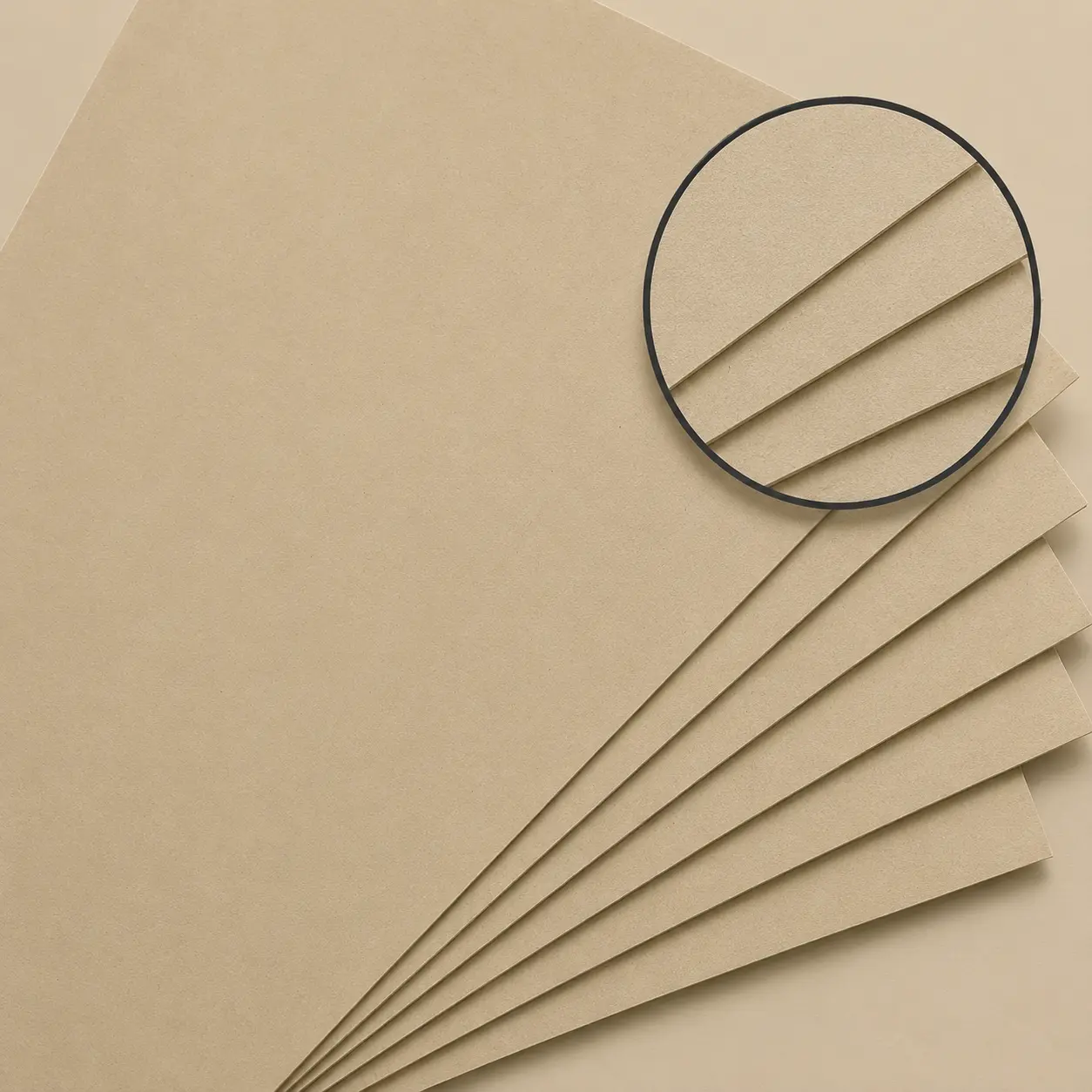
High-density rigid board built for wholesale cartons, structural strength, and stack-ready warehouse logistics.
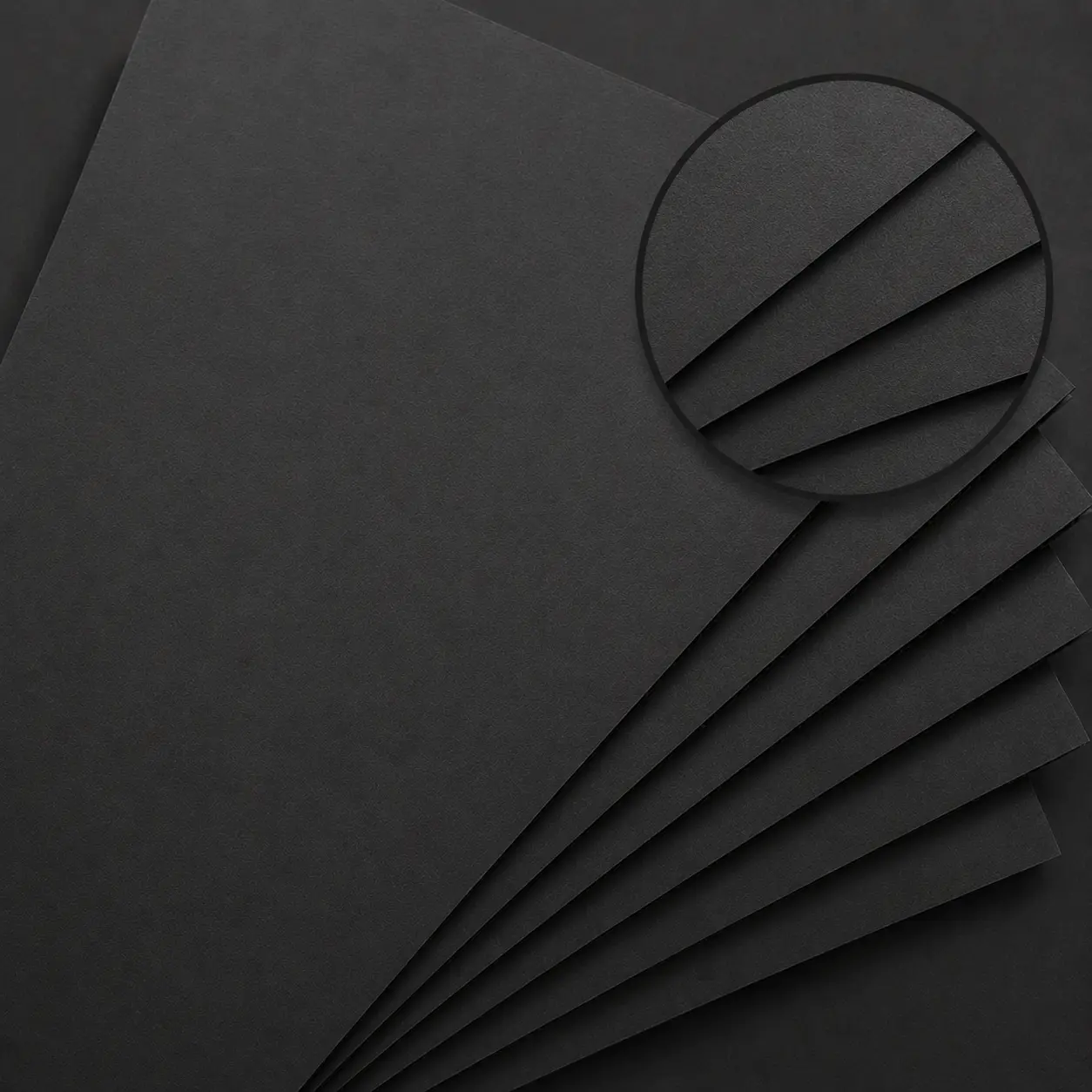
Eco-conscious black kraft for premium unboxing programs, corporate gifting, and limited-edition product lines.
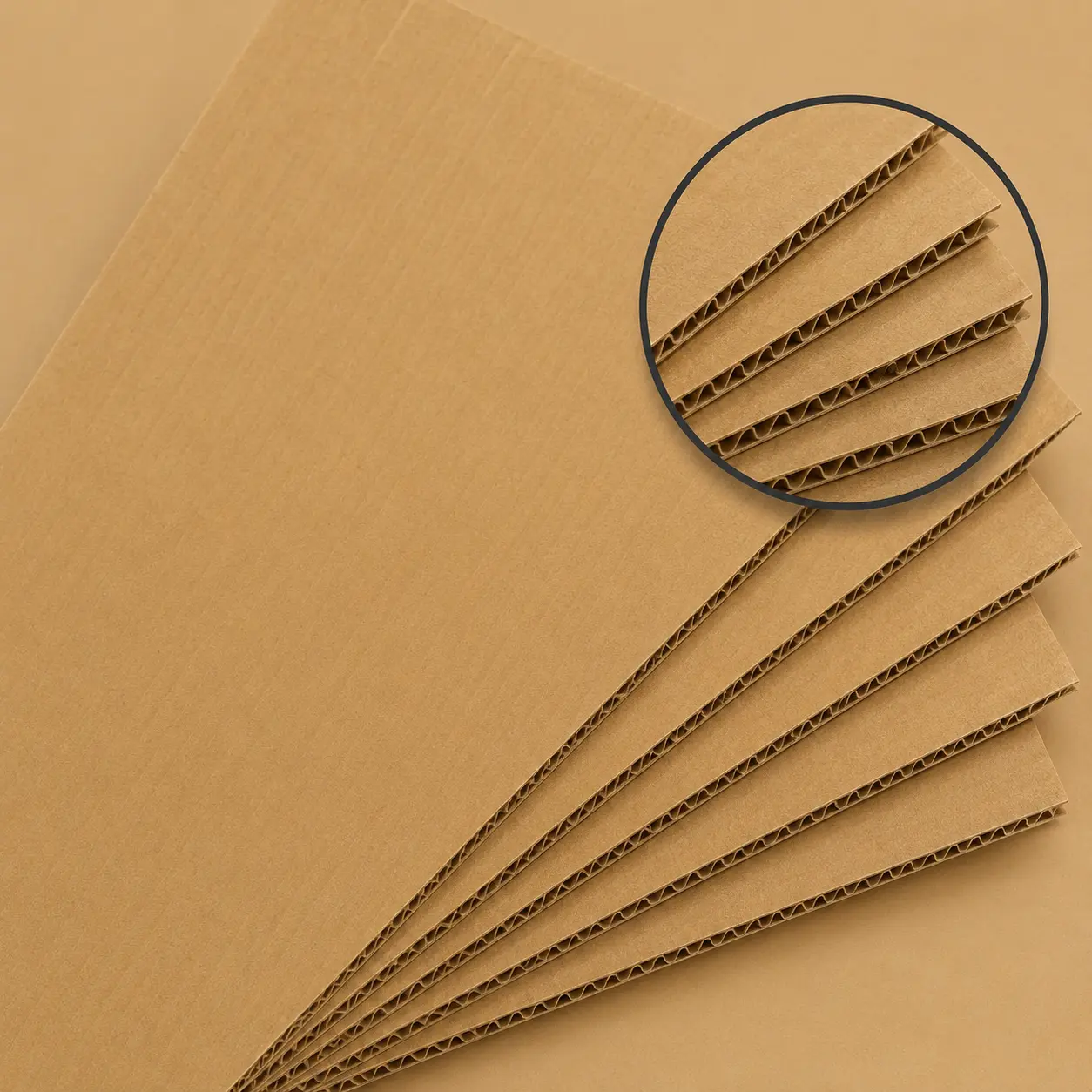
Multi-flute corrugated board built for protective shipping, e-commerce dispatch, and high-volume B2B fulfillment.
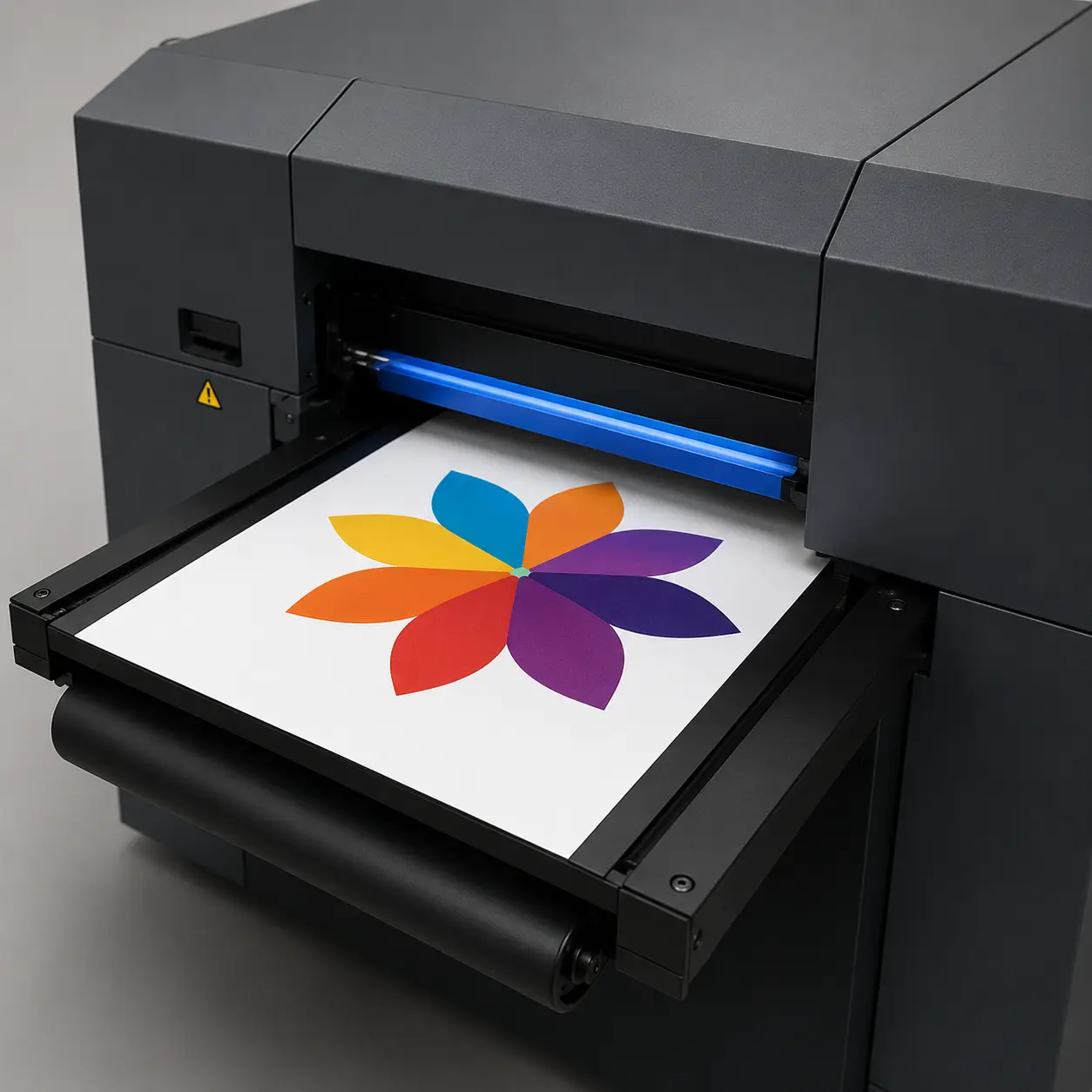
Short-run digital printing with no plate setup — ideal for prototypes, sample approvals, and quick reorders.
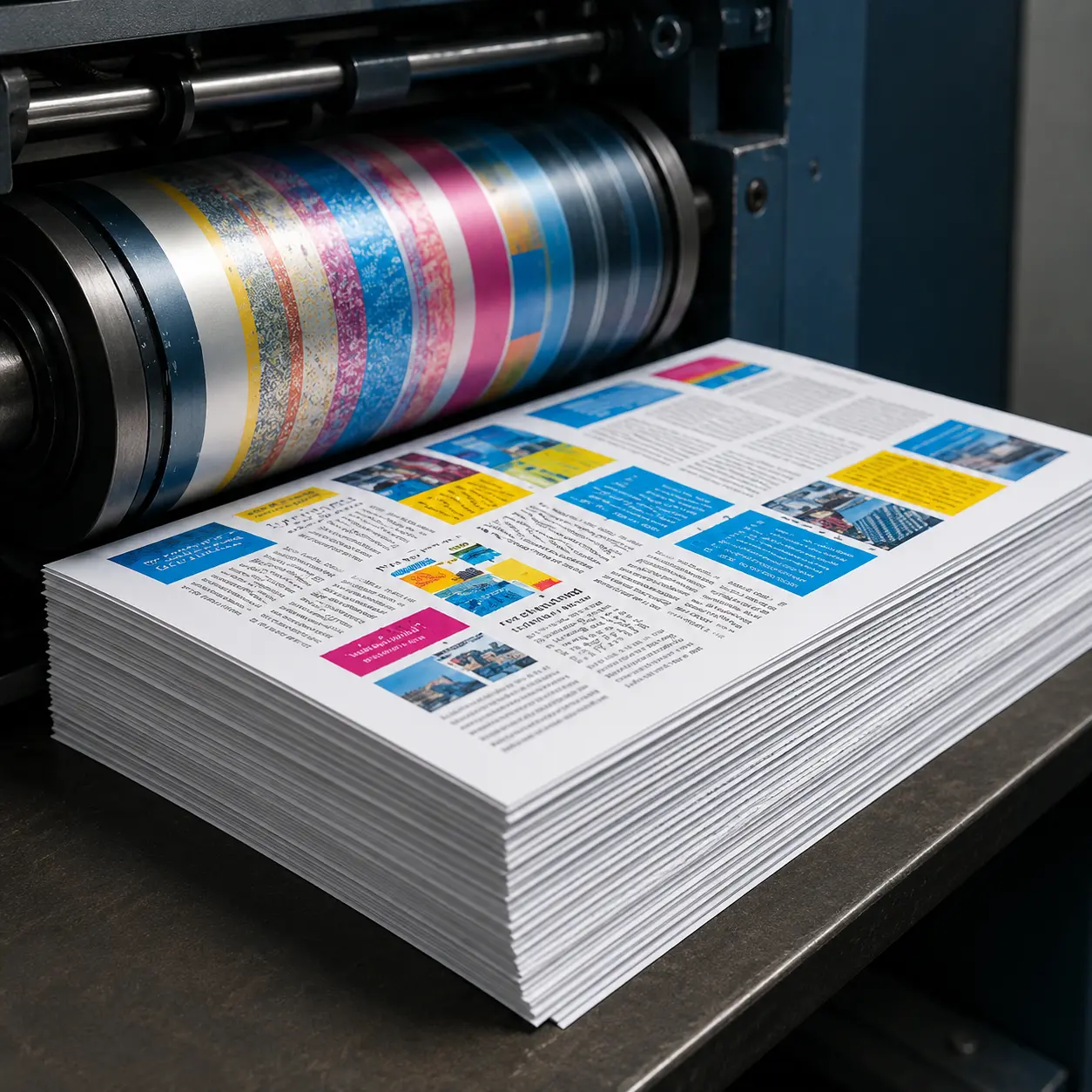
Industry-standard offset printing for high-volume runs with consistent color matching across bulk production.

Selective dimensional embellishment for premium B2B branding, tactile depth, and shelf differentiation.

Vibrant UV-cured printing suited for promotional packaging, event giveaways, and trade-show units.
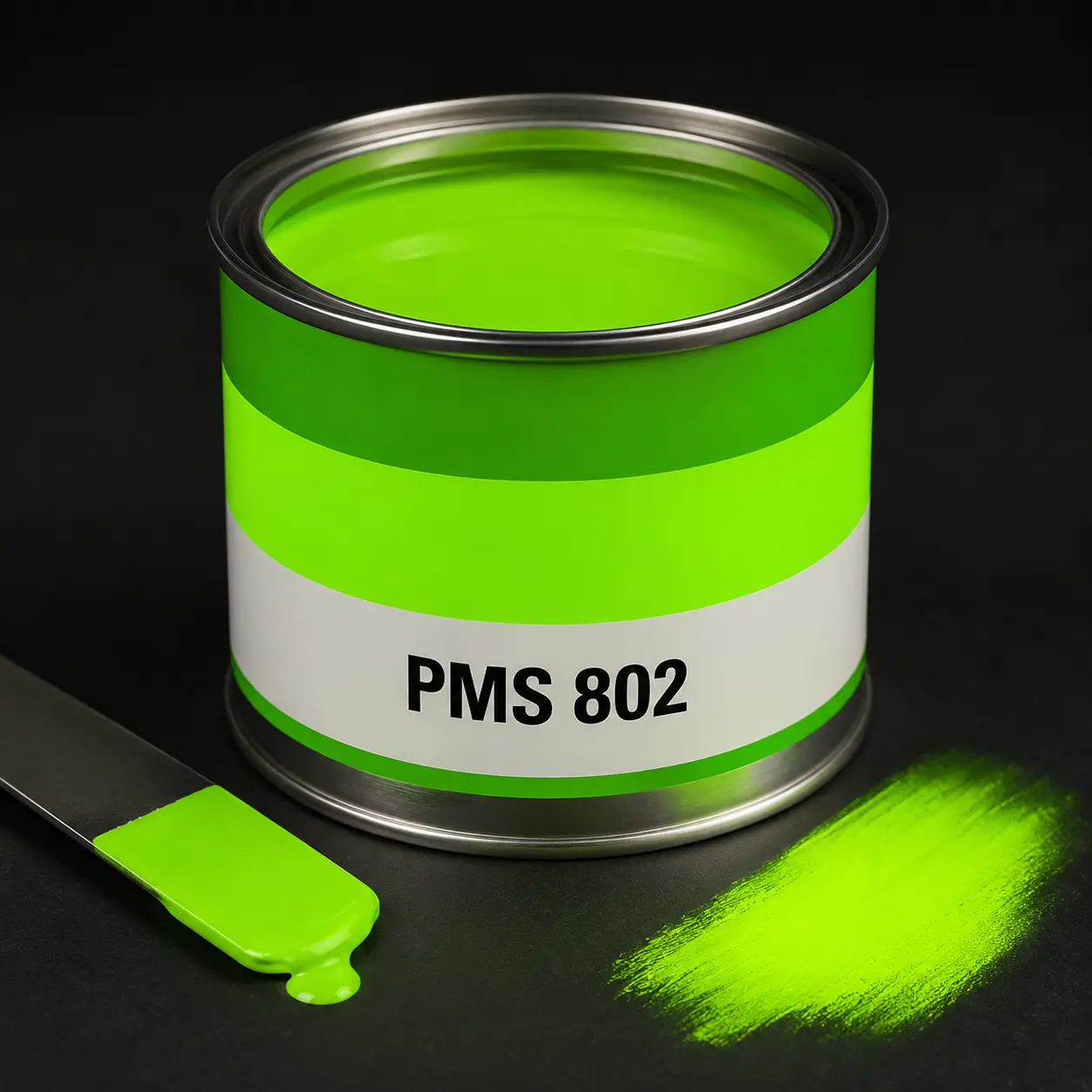
High-visibility ink system engineered for shelf impact, retail displays, and wholesale point-of-sale units.
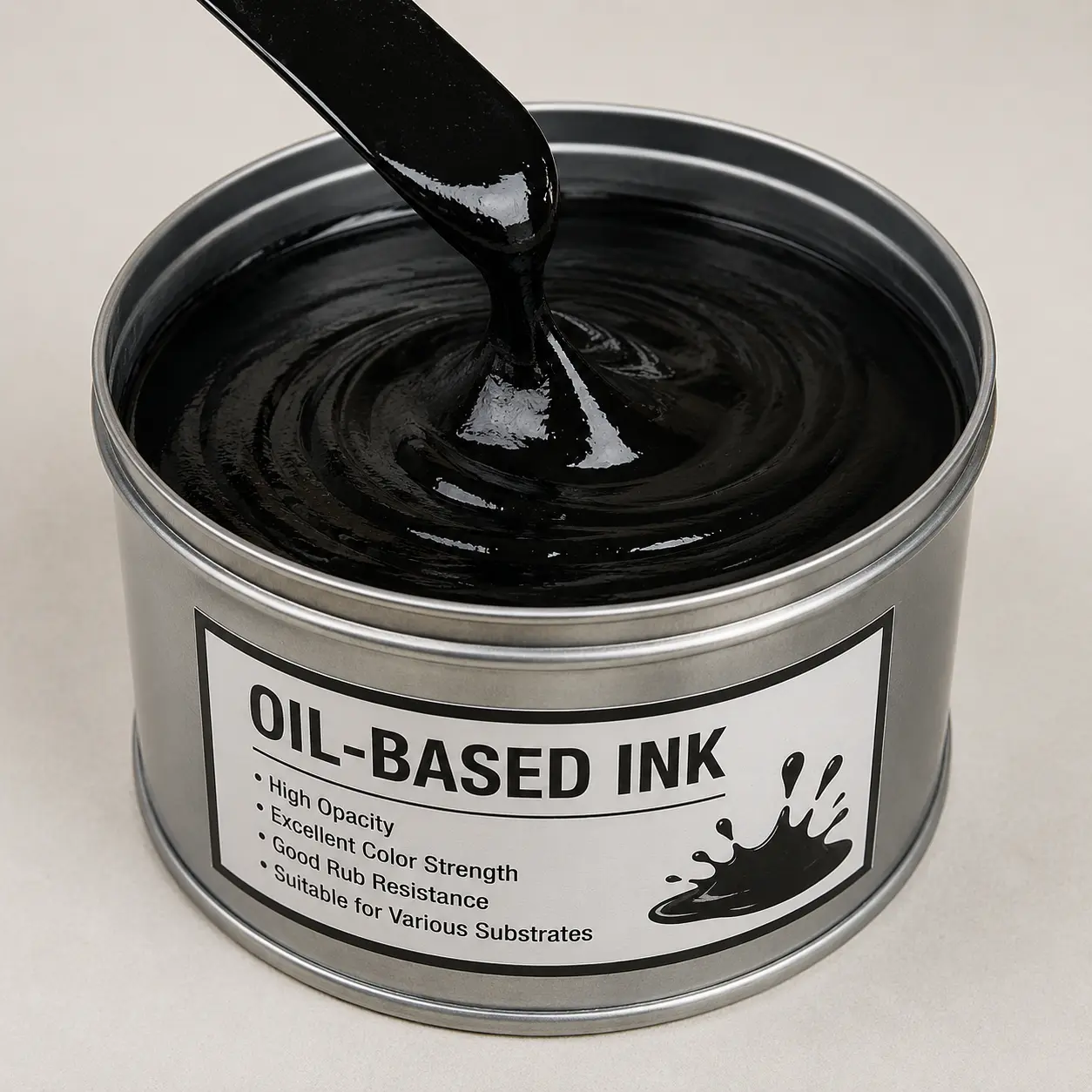
Industry-grade ink for durable, scuff-resistant production runs across long-haul distribution.

Spot-color matching to corporate brand standards — consistent identity across every SKU and reorder.

Sustainable plant-based ink for eco-certified packaging programs and ESG-aligned product launches.

Protective film extends shelf life and protects packaging during shipping and warehouse handling.

Water-based protective seal — fast-drying, food-safe-friendly finish for high-volume bulk production.

Premium tactile finish that elevates corporate gifting boxes and high-end B2B product lines.

Highlight logos and key artwork with selective gloss for maximum retail brand recognition.

Raised brand marks for tactile, premium identity on retail shelves and corporate packaging.

Pressed impressions for subtle, sophisticated branding on premium B2B product lines.

Metallic foil application — gold, silver, and custom finishes for luxury wholesale packaging.
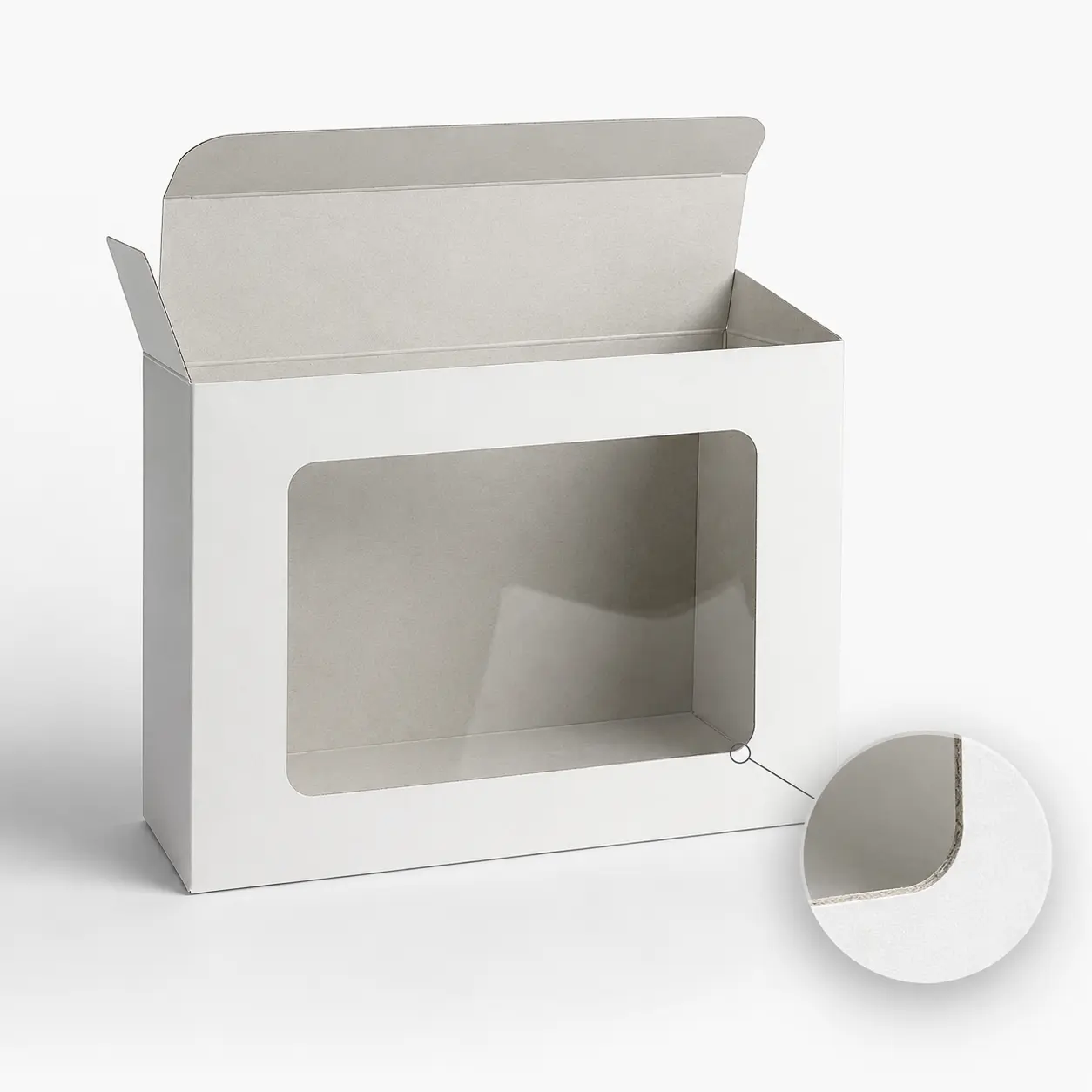
Precision die-cut openings that let customers view the product inside, with optional clear patching for better protection and presentation.
Simple, practical, and built around real B2B production needs.
Send product size, quantity, material preference, artwork, and delivery details.
Our team prepares a proof or 3D mockup so you can check design and structure.
Once approved, your packaging moves into printing, cutting, finishing, and packing.
Finished boxes are packed and shipped to your warehouse, retailer, or 3PL.
Explore similar packaging options that may fit your product line.

Reviews
There are no reviews yet.