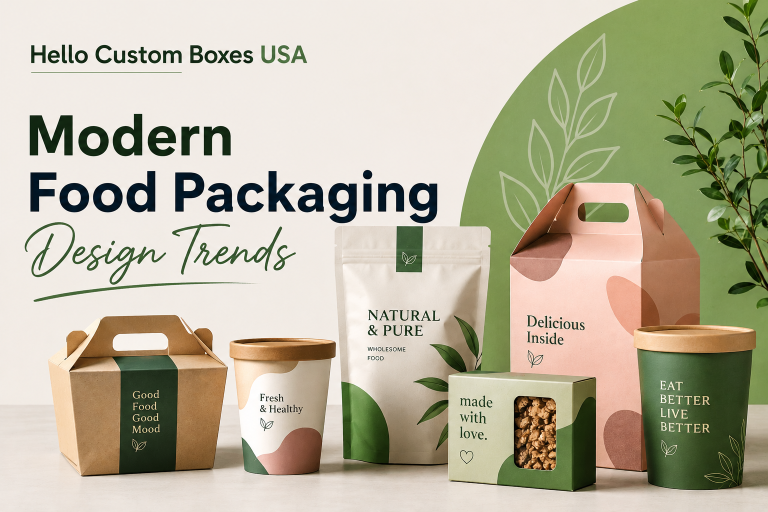
Modern Food Packaging Design Trends
Modern Food Packaging Design Trends 2025 Walk into any supermarket in 2025, and it’s clear that food packaging design has moved beyond…
Practical packaging playbooks for brand owners, marketers, and designers in the US. Learn how to pick materials, choose the right box style, set print specs, and control cost without dulling your brand. Each guide comes from real production work, lessons learned, and proofs on press, so you can go from idea to ready to ship quickly and safely with confidence.
Modern Food Packaging Design Trends 2025 Walk into any supermarket in 2025, and it’s clear that food packaging design has moved beyond…
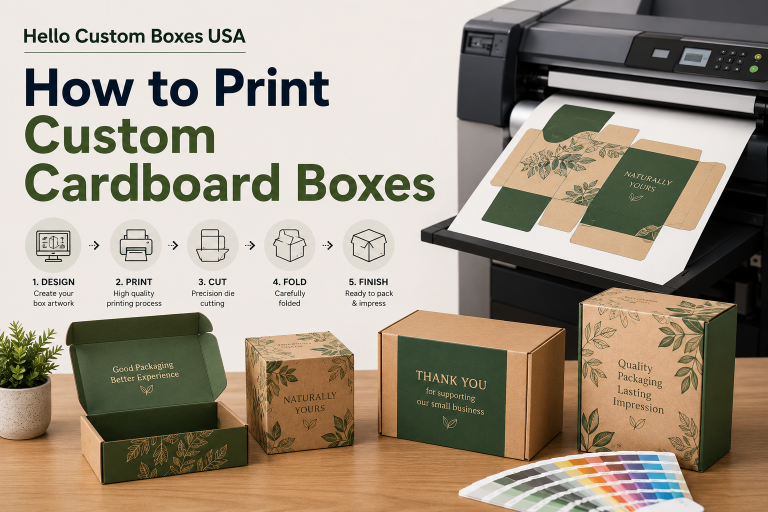
How to Print Custom Cardboard Boxes: A Step-by-Step Guide Printing on cardboard boxes isn’t a quick push of a button. The type…
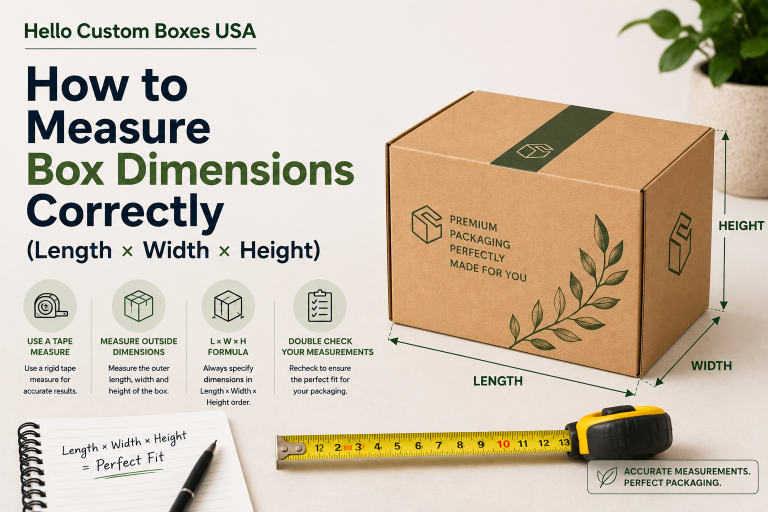
Measuring a box isn’t glamorous, but it’s the line between smooth operations and expensive fixes. I’ve watched a full run get scrapped…
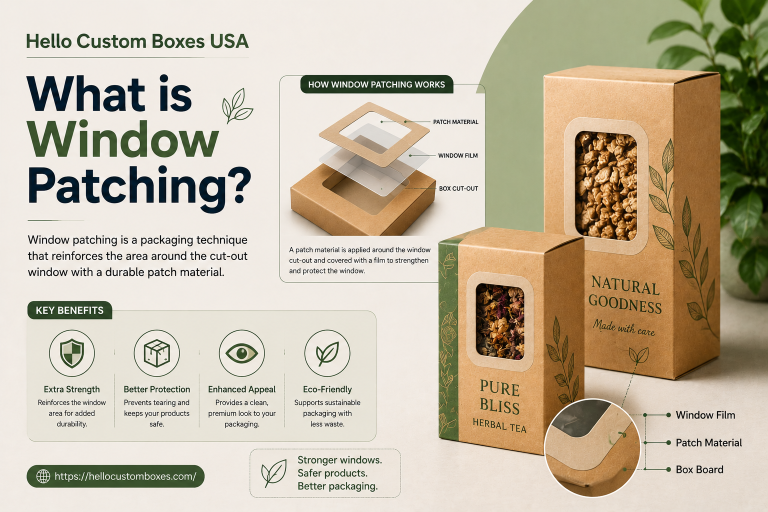
The Window Patching Procedure in Printing and Packaging Consider browsing for cookies or a premium gift set. Instead of having to open…
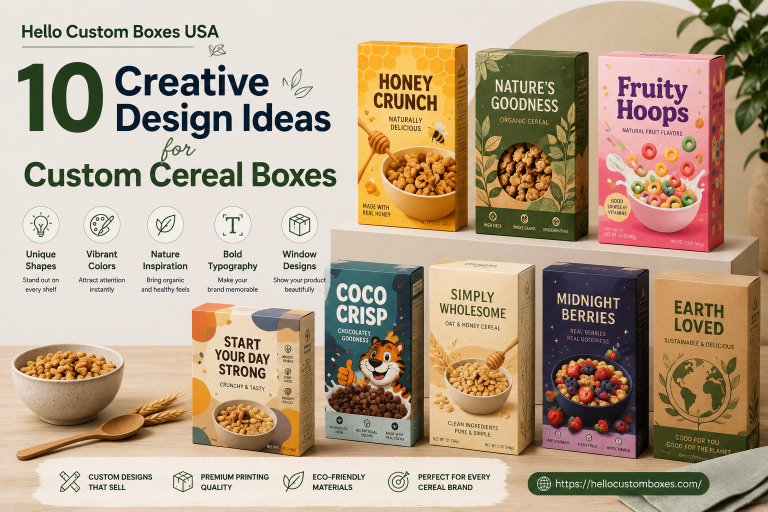
10 Creative Design Ideas for Custom Cereal Boxes Because your box deserves just as much flavour as what’s inside. If you’ve ever…
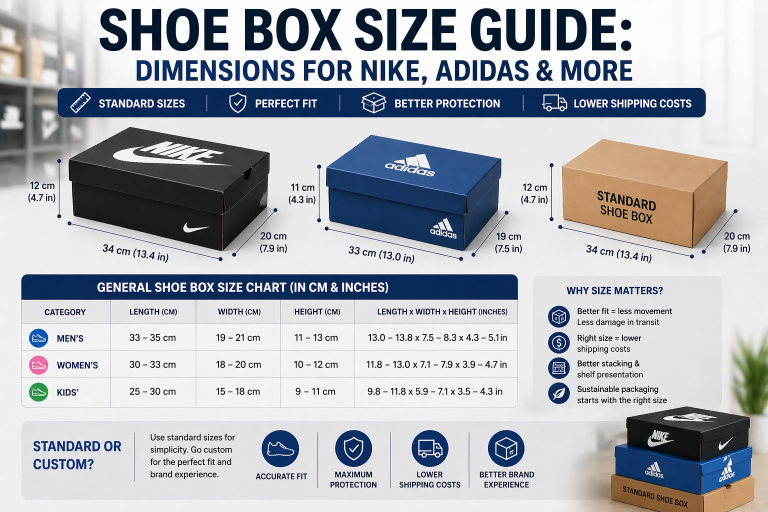
TL;DR — Quick Answer Most shoe boxes end up somewhere near 33 x 19 x 11.5 cm (13 x 7.5 x 4.5…
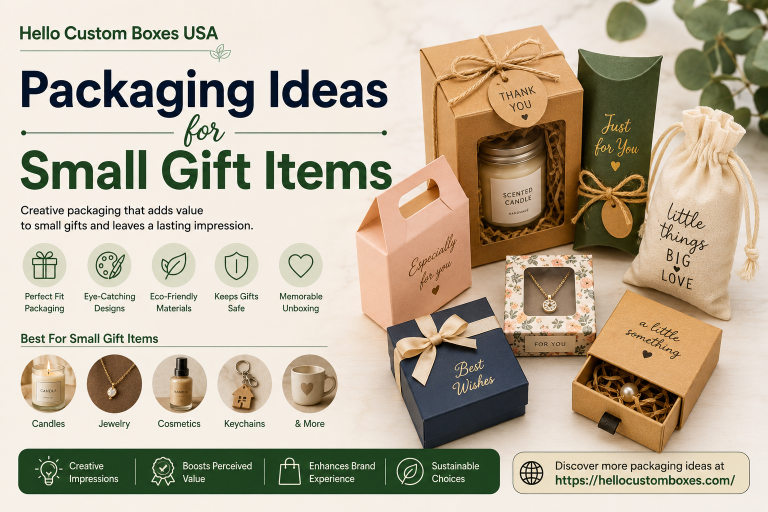
TL;DR — Quick Answer The best packaging for small gift items depends on the product’s size, weight, fragility, and how it will…
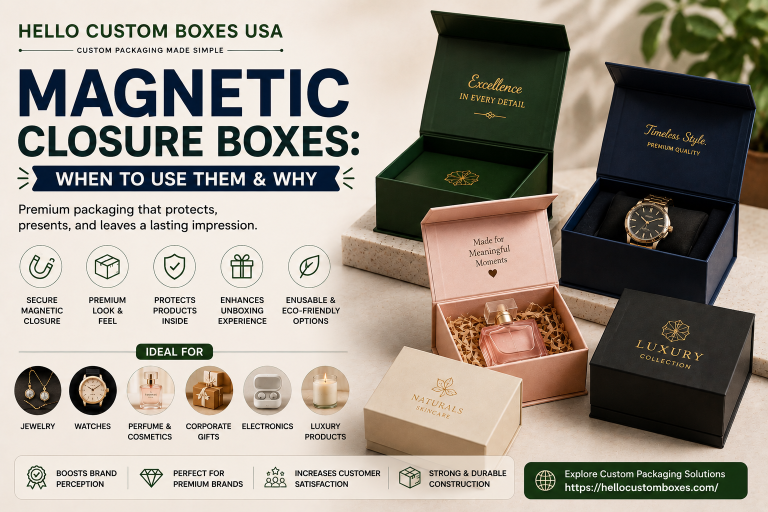
You don’t notice the lid… until it doesn’t close right A box arrives looking premium. Thick walls, clean print, decent weight. Then…
A brand shipped hundreds of orders. Everything looked fine when packed. But once deliveries started arriving, something felt slightly off. Corners weren’t…
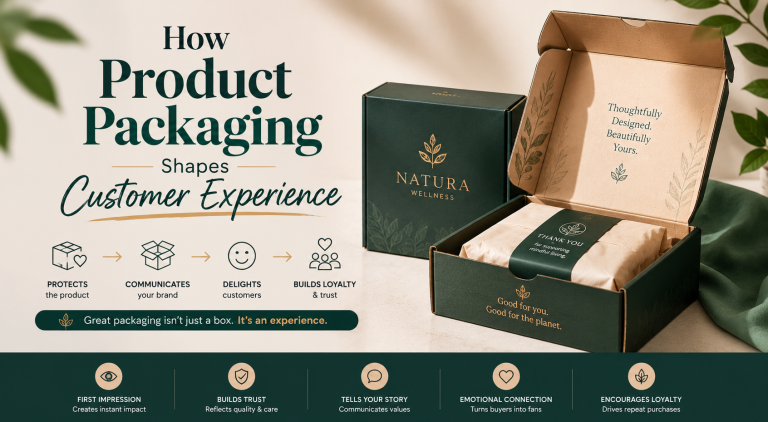
TL;DR People react to packaging earlier than they realize. The box is handled, opened, and judged before the product is even used.…
You don’t need to learn every packaging term before asking for a quote. Know what you’re putting in the box, its size, roughly how much it weighs, and how many boxes you need. It also helps to know what happens after packing. Will it sit on a store shelf, go inside another shipping carton, or travel directly through the mail? That’s enough to get started.
There’s no fixed amount. A little clearance makes packing easier, but too much leaves the product free to move. A candle jar and a folded T-shirt may be similar in size, yet I wouldn’t give them the same amount of space inside a box. Measure the finished product first. Then allow room for inserts, wrapping, or padding if you actually plan to use them.
The board may have been too light for the weight above it. The box size can play a part as well. I’d check how many packed boxes were stacked, how long they stayed that way, and whether storage conditions were damp. Sometimes the problem isn’t one thing. A slightly weak board, a heavy product, and high stacking can be enough to cause it.
For a repeat order you already know well, maybe not. For a new box, I’d want to see one. Put the product inside. Close it. Open it again. Give it to whoever normally packs your orders and see if they find it awkward. If it’s going through delivery, send one out and check what comes back. That small test can catch an expensive mistake.
Because the screen is giving off light. Cardboard isn’t. The board color, ink, coating, and printing method can all change the finished result. Brown kraft stock is a good example. Colors printed on it won’t look the same as they do on bright white paperboard. If an exact brand color matters, don’t approve a large run based only on what you see on a monitor.
Only if you’ll actually use them. I’ve seen businesses order extra packaging to save a few cents per box, then change a product size or redesign the artwork. The unused boxes sit there taking up space. Look at how quickly you use packaging and how stable the product is. A lower unit price isn’t much of a saving when half the order becomes useless.
A product box is usually the package the customer sees around the item. It may carry the branding, product information, and presentation. A shipping box has a rougher job. It needs to handle stacking, movement, and the trip through a delivery network. Sometimes one box can do both jobs. Quite often, it can’t.
When it starts creating a problem. Maybe packing takes too long. Products arrive damaged. Shipping costs have gone up. The box uses far more material than it needs. Or your product has changed and the old packaging no longer fits properly. If none of those things are happening, changing a box just because it’s old may not be necessary.